
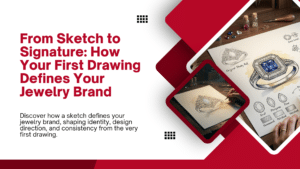
From Sketch to Signature: How Your First Drawing Defines Your Jewelry Brand
Every jewelry brand starts with a simple idea. Often, that idea appears as a sketch on paper. At this early stage, how a sketch defines your jewelry brand becomes very clear. The first drawing is not just a design. It is a vision that shows your style, values, and direction.
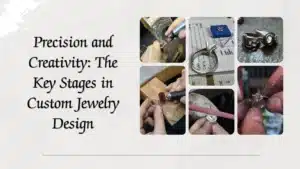
Precision and Creativity: The Key Stages in Custom Jewelry Design
Custom jewelry design blends imagination with technical precision. Designers transform ideas into wearable pieces through a series of careful steps. Understanding The Key Stages in Custom Jewelry Design helps both designers and customers appreciate the work behind every piece. Each stage builds upon the previous one, ensuring the final result reflects both creativity and quality.
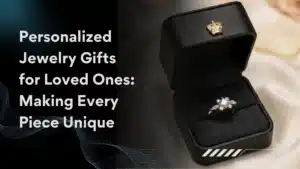
Personalized Jewelry Gifts for Loved Ones: Making Every Piece Unique
Gift giving becomes more meaningful when the item carries a personal story. Jewelry often holds emotional value because people wear it close to them every day. For this reason, Jewelry Gifts for Loved Ones remain one of the most thoughtful ways to celebrate relationships. Personalized designs transform a simple accessory into a symbol of memory, love, and connection.
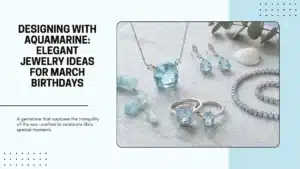
Designing with Aquamarine: Elegant Jewelry Ideas for March Birthdays
March birthdays bring a gemstone that feels calm, fresh, and timeless. Aquamarine, with its clear blue tones, reminds many people of the sea and open skies. Because of its soft color and strong clarity, it works beautifully in many jewelry styles. This is why aquamarine jewelry design remains a favorite among designers and brands. The stone adds elegance without looking heavy or overly dramatic. Instead, it creates a balanced and graceful appearance.
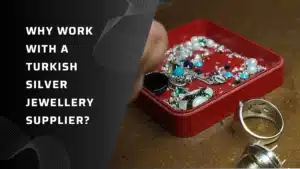
Why Work with a Turkish Silver Jewellery Supplier?
Jewelry design does not rely on form alone. Surface treatment plays a powerful role in how a piece feels, reflects light, and communicates character. Metal Texturing through stippling introduces depth and personality without changing the overall shape. This technique transforms smooth metal into a tactile surface that feels intentional and expressive
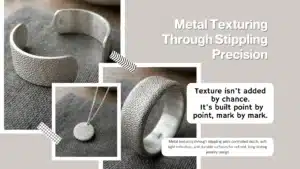
Metal Texturing Through Stippling Precision
Jewelry design does not rely on form alone. Surface treatment plays a powerful role in how a piece feels, reflects light, and communicates character. Metal Texturing through stippling introduces depth and personality without changing the overall shape. This technique transforms smooth metal into a tactile surface that feels intentional and expressive
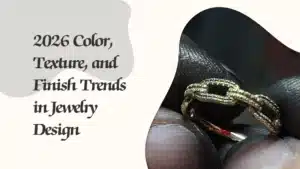
2026 Color, Texture, and Finish Trends in Jewelry Design
Jewelry design evolves with culture, emotion, and lifestyle. In 2026, designers move toward balance, depth, and tactile expression. 2026 Jewelry Trends show a clear shift away from sharp contrasts and heavy decoration toward refined color, thoughtful texture, and intentional finishes. These elements work together to create jewelry that feels calm, modern, and wearable.
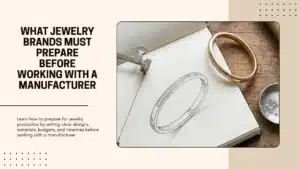
What Jewelry Brands Must Prepare Before Working with a Manufacturer
Working with a jewelry manufacturer can accelerate brand growth, but preparation determines results. Many delays and misunderstandings come from missing information rather than poor execution. Understanding how to prepare for jewelry production helps brands move confidently from idea to finished product. Strong preparation saves time, controls cost, and builds trust with manufacturing partners.
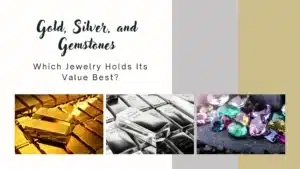
Gold, Silver, and Gemstones: Which Jewelry Holds Its Value Best?
Many people buy jewelry for style or emotion. However, some also think about long-term value. This raises an important question: which jewelry truly holds its worth over time? For those starting out, Jewelry as Investment for Beginners offers a useful framework. Understanding materials, market behavior, and craftsmanship helps buyers make smarter choices without chasing trends.
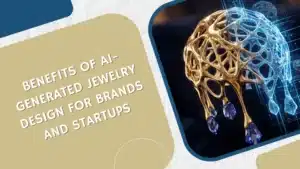
Benefits of AI-Generated Jewelry Design for Brands and Startups
Jewelry design has always balanced creativity and precision. Today, technology adds a new layer to this balance. Artificial intelligence now supports designers in exploring ideas faster and smarter. The Benefits of AI-Generated Jewelry Design for Brands appear most clearly for startups and growing labels that need speed, flexibility, and cost control without losing creativity.
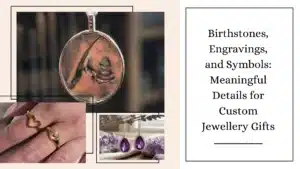
Birthstones, Engravings, and Symbols: Meaningful Details for Custom Jewellery Gifts
Jewellery becomes powerful when it tells a story. A simple ring or pendant can hold deep emotion when it includes personal elements. This is why Meaningful Details for Custom Jewellery Gifts matter so much. Birthstones, engravings, and symbols turn beautiful objects into personal keepsakes. These small choices often define the emotional value of the piece.
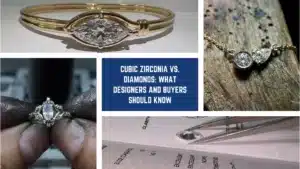
Cubic Zirconia vs. Diamonds: What Designers and Buyers Should Know
Diamonds have long symbolized luxury and permanence. Cubic zirconia, however, has earned a strong place in modern jewelry design. Designers and buyers often compare these two stones, yet each serves a different purpose. Cubic Zirconia Jewelry Explained helps clarify when each option makes sense, depending on design goals, budget, and wearability.