
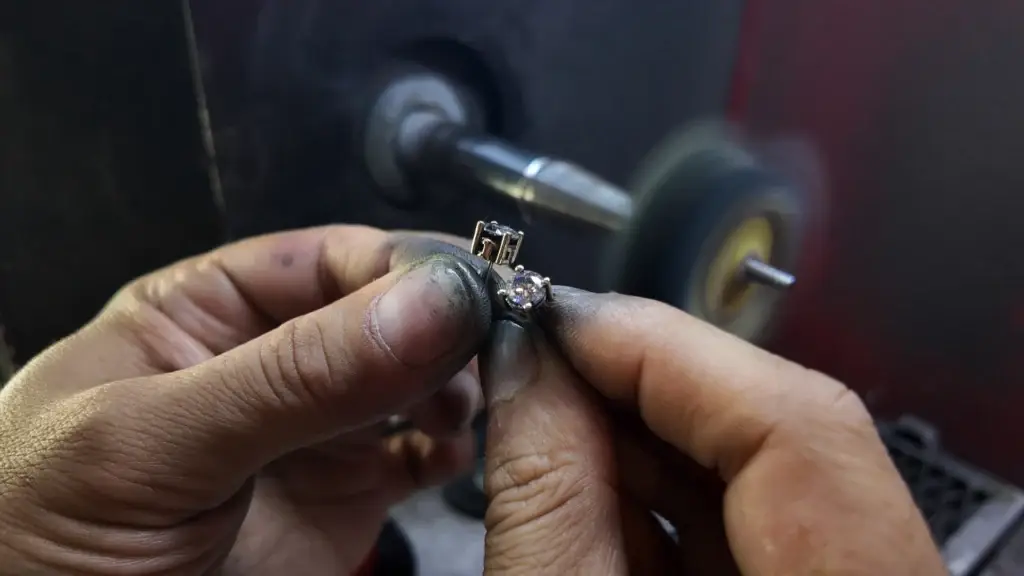
Every successful collection starts with an idea, but an idea alone is not enough. Jewelry Product Development turns creative concepts into products that can be manufactured, tested, and sold. The first stage focuses on defining the design, customer, material, price point, and purpose of each piece.
Brands may begin with a sketch, reference image, mood board, or written concept. From there, the team creates a clear chain of decisions around size, shape, function, and style. This process helps everyone understand the goal before technical work begins.
If the design includes a pendant, the team may also consider the matching chain early. The chain length, thickness, clasp, and overall balance can influence both appearance and cost. Clear planning at this stage reduces changes later and keeps Jewelry Product Development more efficient.

The next step in Jewelry Product Development is turning the concept into an accurate digital model. CAD design allows the team to control measurements, thickness, stone placement, curves, and construction details before production starts.
This digital stage creates a stronger chain between creativity and manufacturing. Designers can check whether a ring feels too thick, a pendant needs more support, or a chain connector needs adjustment. A clear approval process also makes revisions easier because the brand and manufacturer can review the same 3D model.
CAD helps reduce guesswork. Instead of discovering problems after casting, teams can solve many issues on screen. As a result, brands save time, reduce waste, and move toward sampling with more confidence.
Sampling is one of the most important stages of Jewelry Product Development. A digital model may look perfect on screen, but the real piece must also feel comfortable, balanced, and practical.
The manufacturer may create a wax or resin model before casting the sample in metal. Once the piece is ready, the brand can review size, weight, finish, stone setting, and overall appearance. If the product includes a necklace, the chain should support the pendant properly. The chain should also move smoothly through the bail and sit well on the body.
This testing chain helps brands find small problems before bulk production. A strong sample process also creates a clear point for approval. When the sample meets expectations, the project can move forward with less risk.

Material choice affects the look, cost, durability, and market position of a product. During Jewelry Product Development, brands should choose materials that match their customer and price level.
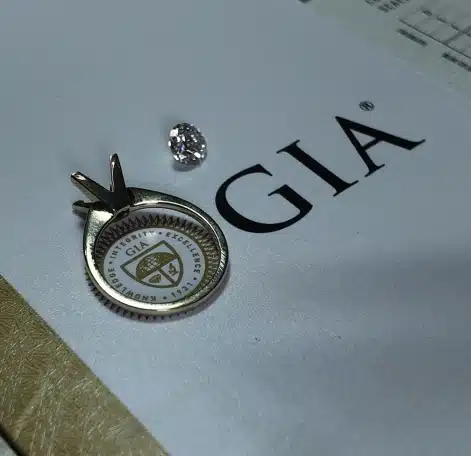
925 sterling silver can support accessible and premium collections. Gold vermeil offers a warm gold look over sterling silver, while solid gold suits fine jewelry lines. Stone choice, plating, texture, and polish also shape the final result.
The material chain should stay consistent across every component. For example, a pendant may look premium, but a weak chain can reduce the overall quality. The chain clasp, jump rings, and finishing should match the main design. A reliable material chain helps the finished piece feel complete and professional.
After sample approval, Jewelry Product Development moves into production planning. At this stage, the team confirms quantities, sizes, finishes, stones, packaging needs, and delivery targets.
A clear production chain helps keep every step organized. Depending on the design, the process may include mold making, wax injection, casting, stone setting, polishing, plating, quality control, and final preparation. Each production stage affects the next, so good communication matters.
For necklace designs, the chain specification should remain consistent with the approved sample. The chain length, thickness, color, and clasp should not change without approval. This level of detail helps brands maintain consistency across larger orders.


Quality control protects both the product and the brand. Jewelry Product Development does not end when production finishes. Every piece should receive a final review before shipment.
Teams can check dimensions, surface quality, stone security, plating, clasps, and moving parts. A necklace also needs a chain check to confirm strength, finish, and length. The chain should feel secure and sit naturally with the pendant.
This inspection chain helps catch problems before customers see them. A strong quality chain also supports repeat orders because the manufacturer has a clear standard to follow. When brands maintain the same quality from sample to bulk production, they build more customer trust.
Jewelry Product Development should support more than one product. A strong development process can help brands build complete collections and expand successful ideas over time.
For example, a bestselling pendant may later become matching earrings, a bracelet, or a chain necklace. A signature chain style can appear across several products and create a more recognizable brand identity. This design path connects individual pieces and makes the collection feel intentional.
Brands can also use customer feedback to improve future designs. This creates a development chain that continues after launch. Instead of starting from zero every season, brands can build on what already works and create stronger products with each collection.
