Gold Loading… USD/oz Silver Loading… USD/oz

Design, CAD, Technology & Innovation

Explore how jewelry ideas evolve from concept to production through design, CAD modeling, 3D printing, and modern manufacturing technology. This category covers the digital tools, technical processes, and innovations that help jewelry brands develop accurate, production-ready designs.

From transforming sketches into 3D models to improving prototypes, production efficiency, and design precision, these articles explain how technology supports both creativity and craftsmanship. Ideal for designers, startups, and established jewelry brands looking to understand the technical side of jewelry development and modern production.

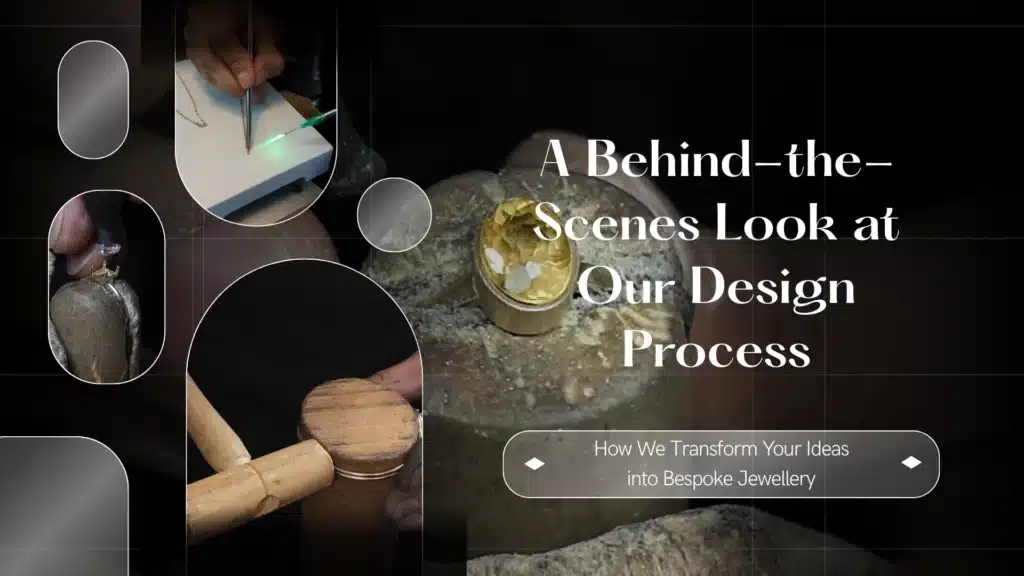
How We Transform Your Ideas into Bespoke Jewellery: A Behind-the-Scenes Look at Our Design Process

Every custom piece begins with a story—your story. A memory, a moment, or a personal vision becomes the foundation for something meaningful. This is why understanding how the bespoke jewellery creation process explained matters. When clients see how ideas turn into finished pieces, they gain confidence, clarity, and a deeper connection to the jewellery they will wear for life.

How We Transform Your Ideas into Bespoke Jewellery: A Behind-the-Scenes Look at Our Design Process Read More »

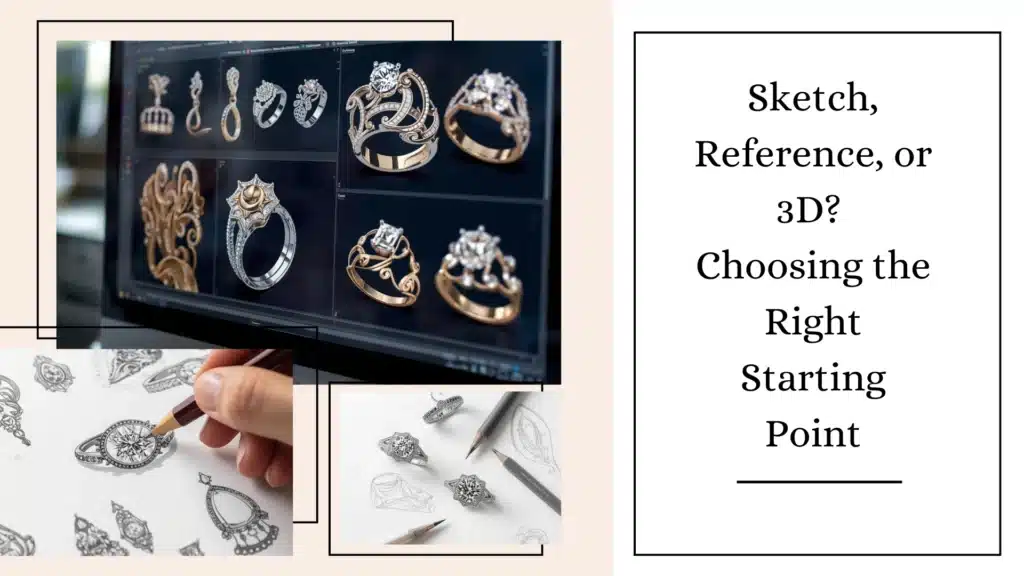
Sketch, Reference, or 3D? Choosing the Right Starting Point

Every jewelry piece begins long before metal touches fire. The earliest stage—where ideas take form—decides the direction, complexity, and emotional identity of the final product. This is why jewellery concept development matters so much. Whether starting with a quick sketch, a visual reference, or a detailed 3D model, the right beginning influences every stage that follows.

Sketch, Reference, or 3D? Choosing the Right Starting Point Read More »

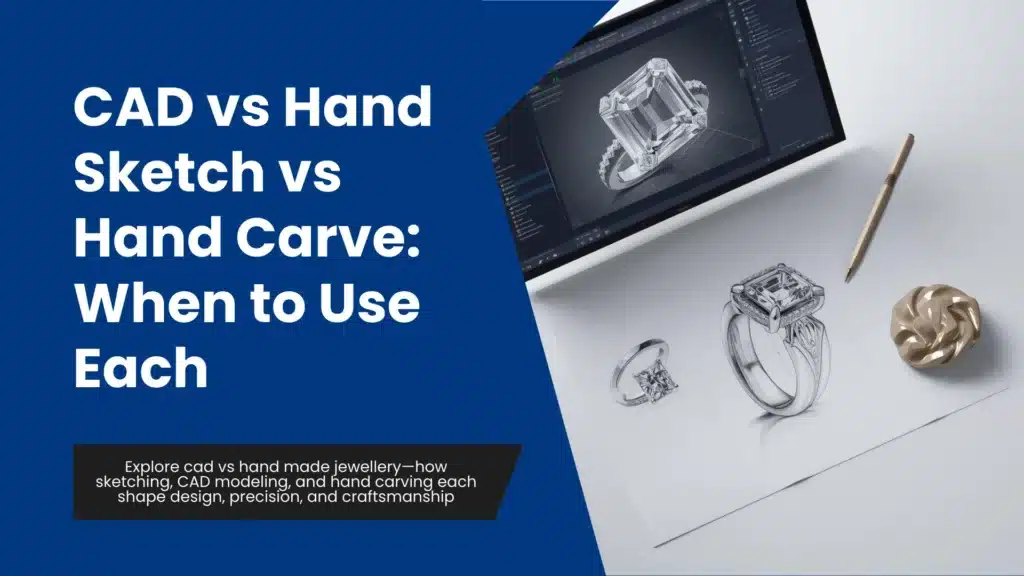
CAD vs Hand Sketch vs Hand Carve: When to Use Each

Modern jewelry design blends technology and tradition more than ever before. Designers now choose between digital CAD modeling, classic hand sketching, and artistic hand carving depending on the project. To understand these choices clearly, exploring cad vs hand made jewellery helps us see how each method supports different goals. From precision to emotion, each approach brings something unique to the creative process.

CAD vs Hand Sketch vs Hand Carve: When to Use Each Read More »

Wall Thickness & Prong Strength: Understanding Jewellery DFM Guidelines

Precision defines quality in modern jewellery design. Every curve, wall, and prong must balance beauty and durability. Following jewellery DFM guidelines—Design for Manufacturability principles—helps designers create pieces that are both elegant and practical to produce. Wall thickness and prong strength play central roles in this process. When these details are well-designed, the final product achieves longevity, comfort, and flawless finishing.

Wall Thickness & Prong Strength: Understanding Jewellery DFM Guidelines Read More »

Design for Manufacturability: Creating Products That Work in Production

Design for Manufacturability is an approach that ensures a product is easy, cost-effective, and reliable to produce. Instead of focusing only on design aesthetics, this process considers how every detail will affect manufacturing. By addressing shrinkage, parting lines, and polishing access from the start, businesses save time, reduce costs, and deliver higher-quality products..

Design for Manufacturability: Creating Products That Work in Production Read More »

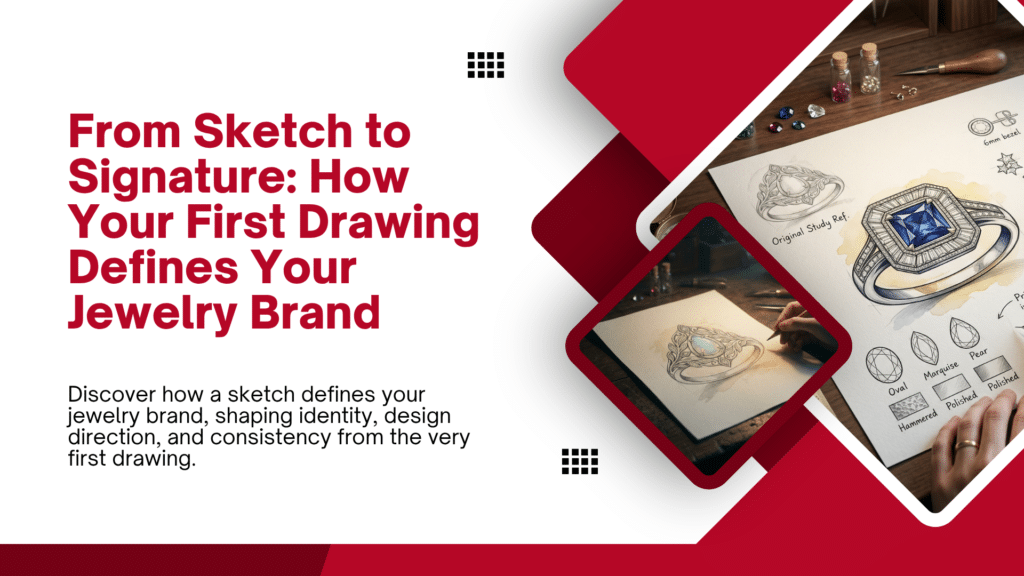
From Sketch to Sparkle: Designing Your Custom Gold Diamond Necklace

Jewellery is most meaningful when it tells a personal story. A custom gold diamond necklace gives you the freedom to transform ideas into wearable art. From the first sketch to the final polished piece, each step is part of a journey that blends creativity, craftsmanship, and emotion.

From Sketch to Sparkle: Designing Your Custom Gold Diamond Necklace Read More »

Scroll to Top