Modular Jewelry Design: Connections, Comfort, and Sample Testing
A Practical Guide for Jewelry Brands
Modular jewelry design gives wearers a choice of approved combinations: a removable pendant, an interchangeable clasp, or sections that connect in different ways. For a brand, each option adds practical questions about fit, handling, comfort, and repeatable assembly.
A useful development brief describes every intended configuration before sampling begins. The checklist below helps turn the design idea into a set of decisions that a manufacturer can review and a sample team can check.
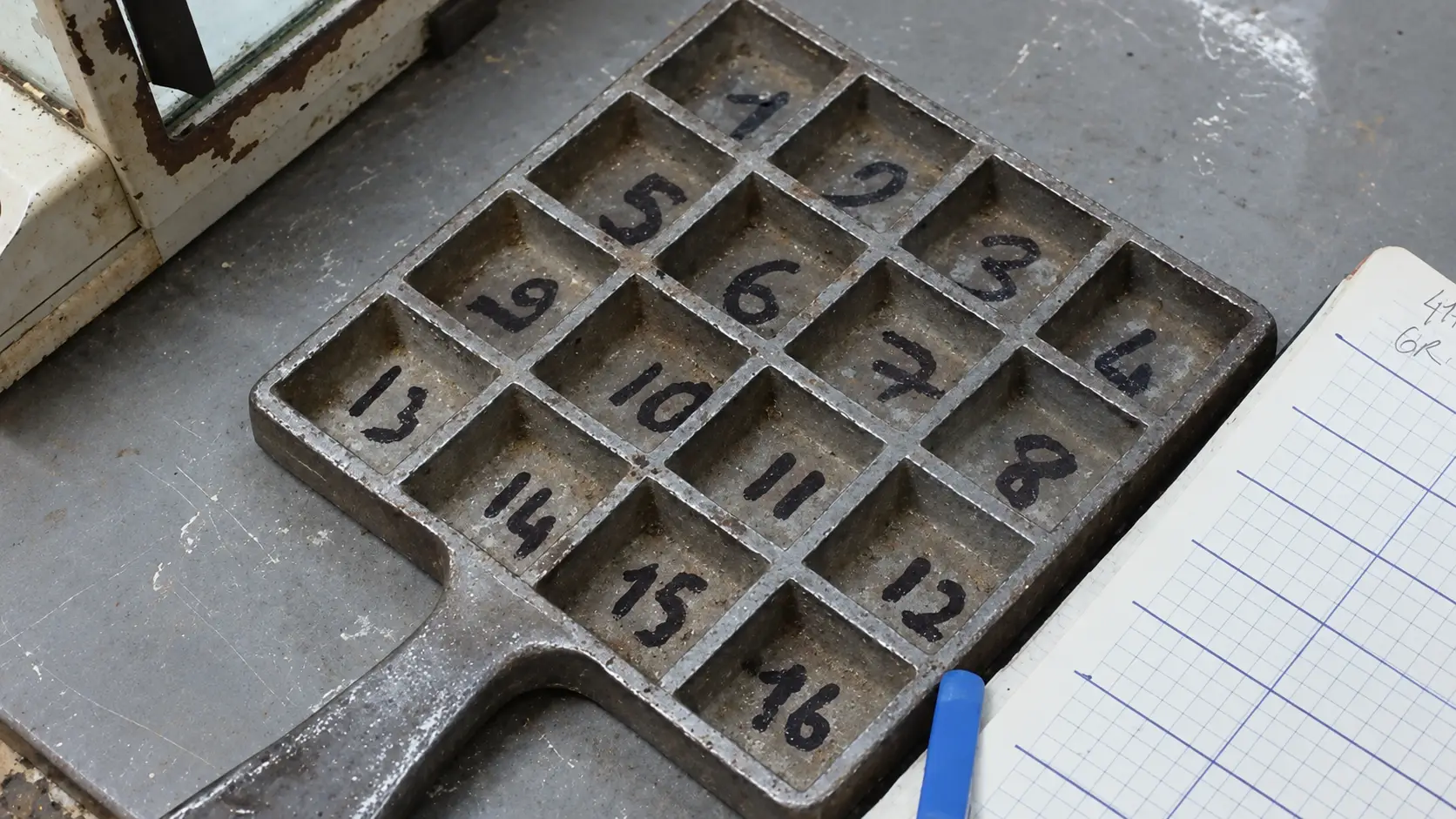
Jewelry patterns in a mesh tray during the production workflow.
01 · CONFIGURATIONS
Define the configurations
List what the customer can remove, replace, extend, or reconnect. Sketch each intended version and identify the components it needs. State which combinations are outside the design brief.
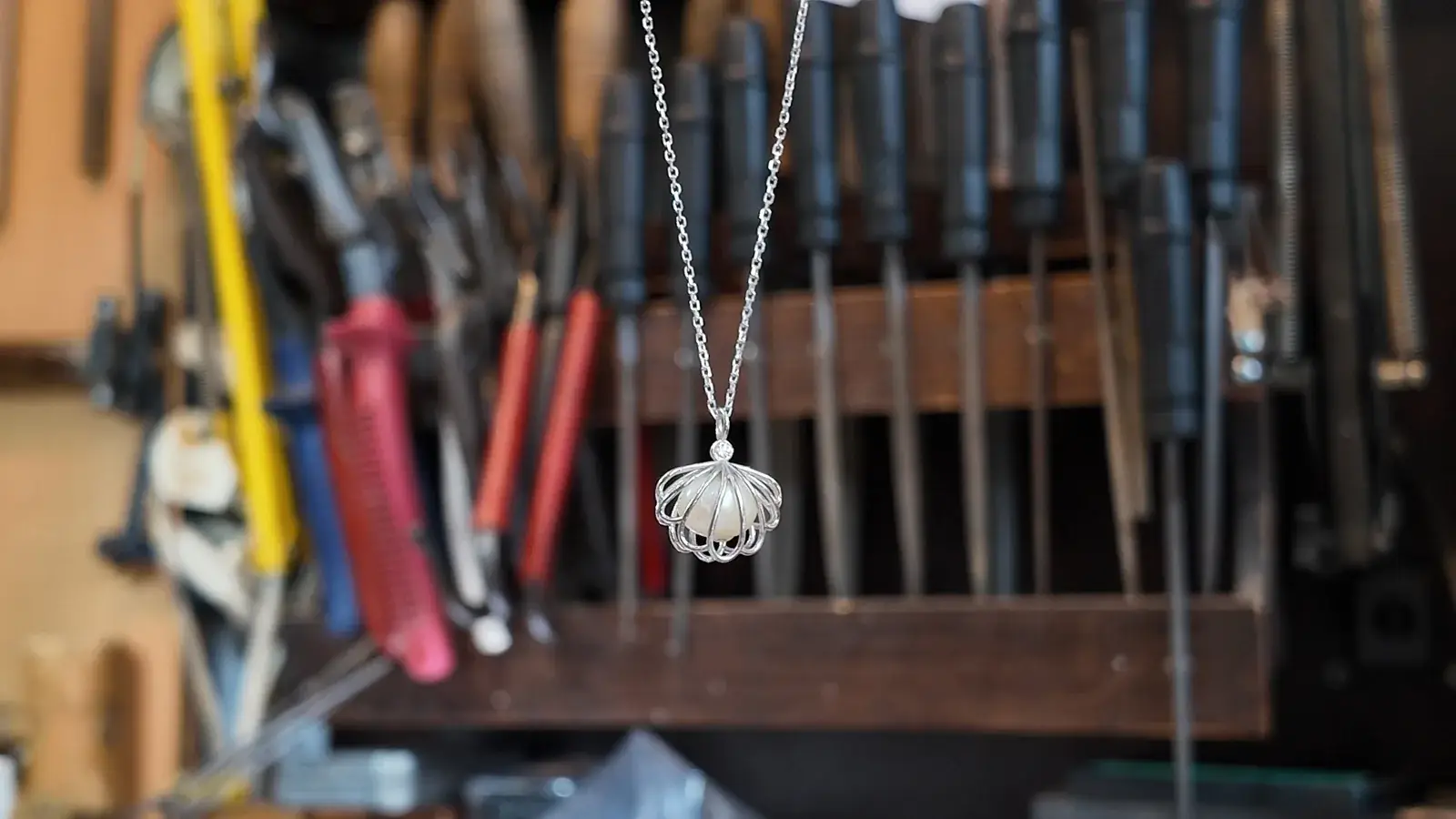
For example, Eberle + Jost’s interchangeable clasps use a bayonet system so prepared necklaces can share a clasp. The connection depends on compatible parts.
Create a simple compatibility list using component codes. Include lengths, orientation, and the heaviest intended attachment. Keep this list updated when the collection gains another module.
02 · CONNECTIONS
Specify the connections
Show both sides of each connection in the technical drawings. Ask the manufacturer to review the joining method, dimensions, clearances, and material choice for the intended use.
Which component connects to which?
How does the wearer open and close it?
How can they recognize full engagement?
What stops an attachment from rotating into an unwanted position?
GIA’s guidance on technical drawings for jewelry explains the value of scaled, multi-view drawings with mapped measurements. Include the interface details as carefully as the visible design.
Mould work is one part of preparing a jewelry production process.
03 · EVERYDAY HANDLING
Check everyday handling
Use the sample to follow the complete customer journey: take it from its packaging, assemble a configuration, put it on, change a module, and remove it. Give a reviewer the proposed instructions and watch where they hesitate.
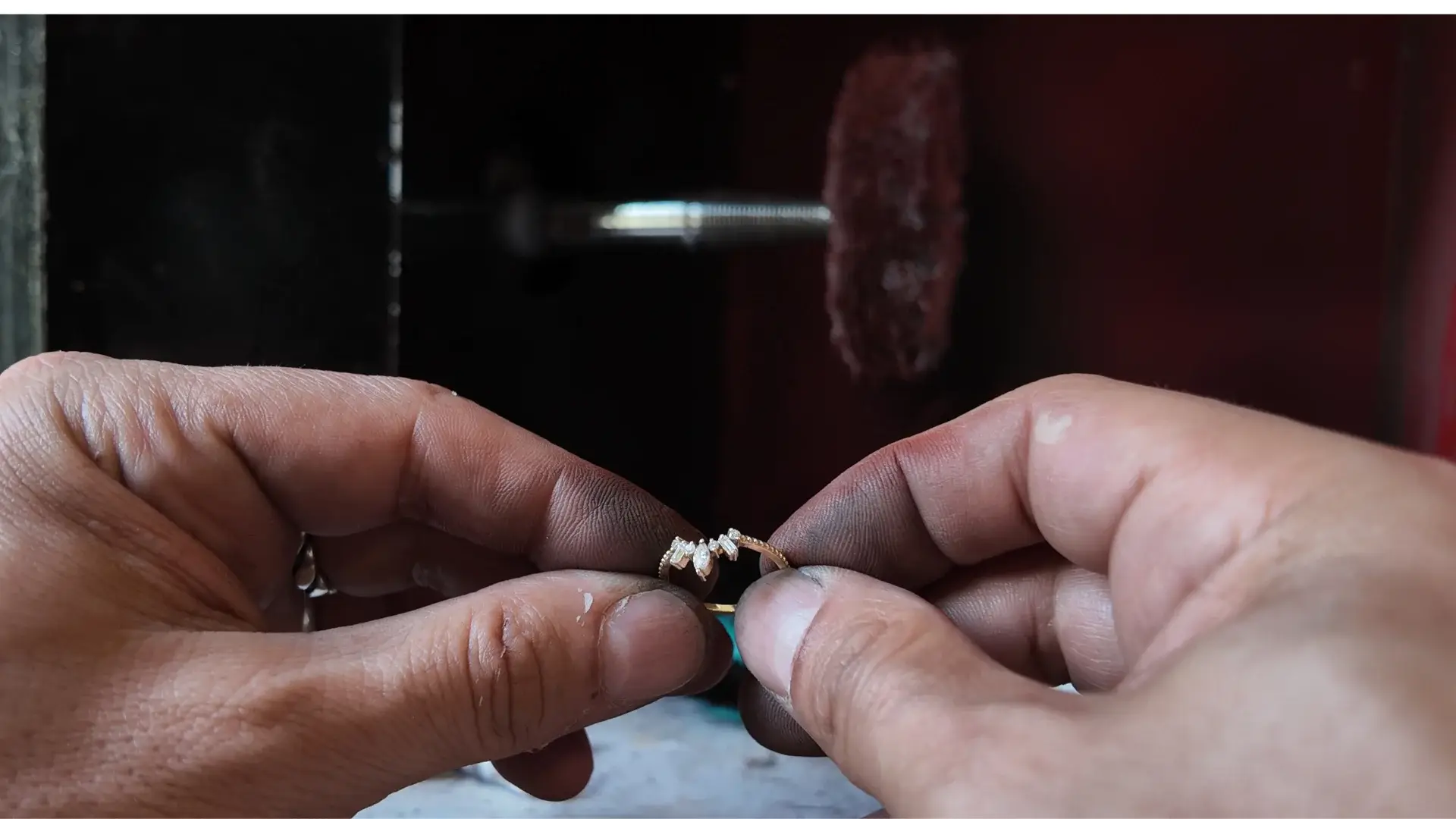
Check whether small parts are easy to hold and whether the opening action is clear. Look for partial engagement, reversed components, or a connection that seems closed before it is secure.
Record the problem and its location. If the design needs a tool, include that tool and its instructions in the review.
04 · COMFORT
Review comfort in every version
Try each approved configuration, including the longest and heaviest versions. Check how the piece rests, moves, and stays oriented during ordinary wear.
Weight and balance at the main attachment point
Edges, exposed connector ends, and skin contact
Possible pinching during movement or assembly
Snagging on hair or clothing
GIA’s design guidance highlights sharp parts and excessive weight as comfort concerns. Treat a change in module size or weight as a reason to review the complete configuration again.
05 · OPERATION CHECKS
Plan repeated-operation checks
Agree a test plan before approving the sample. It should reflect the connection type, materials, intended combinations, and expected use. Define the method, number of operations, inspection points, and acceptance criteria with the manufacturer or a qualified laboratory.
Alexandre Auberson’s Santa Fe Symposium paper on jewelry testing discusses clasp durability, ergonomics, and production validation. Its historical numerical examples should not become automatic targets for another design.
Record changes in closing action, looseness, alignment, visible wear, and retention. Ask whether additional mechanical testing is appropriate; Intertek’s jewelry testing services include tension, torque, and compression evaluation.
06 · SYSTEM APPROVAL
Document the approved system
Save the sample revision, compatible component codes, configuration drawings, and test results together. Note unresolved issues and who can approve the final version.
Prepare customer instructions covering assembly, approved combinations, care, and signs that a connection needs inspection. Agree how replacement modules will be identified and checked for compatibility. Review any later component change against the original system before describing it as interchangeable.
The takeaway
Make the options easy to use
A modular collection needs a clear connection system and a sample review that covers every promised configuration. Start a jewelry sampling discussion with Bamina using your component list, configuration drawings, and questions about handling and testing.