
Modern jewellery production no longer starts only with hand sketches. Today, many designs move from an idea to a digital model before they become real pieces. One of the most important digital formats in this process is the STL file for jewellery manufacturing.
An STL file helps turn a 3D design into a physical object. It stores the surface shape of a model, which makes it useful for 3D printing, prototyping, and casting preparation. As a result, jewellery brands, CAD designers, and manufacturers use STL files to move from design approval to production with more accuracy.
In simple terms, an STL file acts like a bridge between digital design and real jewellery.

STL stands for stereolithography. In jewellery, the file contains the 3D shape of a ring, pendant, earring, bracelet, or other piece. A STL file for jewellery manufacturing does not usually contain material details, stone names, or colour information. Instead, it focuses on the geometry of the design.
This means the file shows the form, curves, surface, thickness, and structure of the piece. Because of this, manufacturers can use it to create a wax or resin model through 3D printing.
Therefore, an STL file gives the production team a clear and accurate shape to work from.
A STL file for jewellery manufacturing plays a key role because jewellery requires precision. Small changes in thickness, stone seats, or ring size can affect the final result. With an STL file, the manufacturer can check these details before production begins.
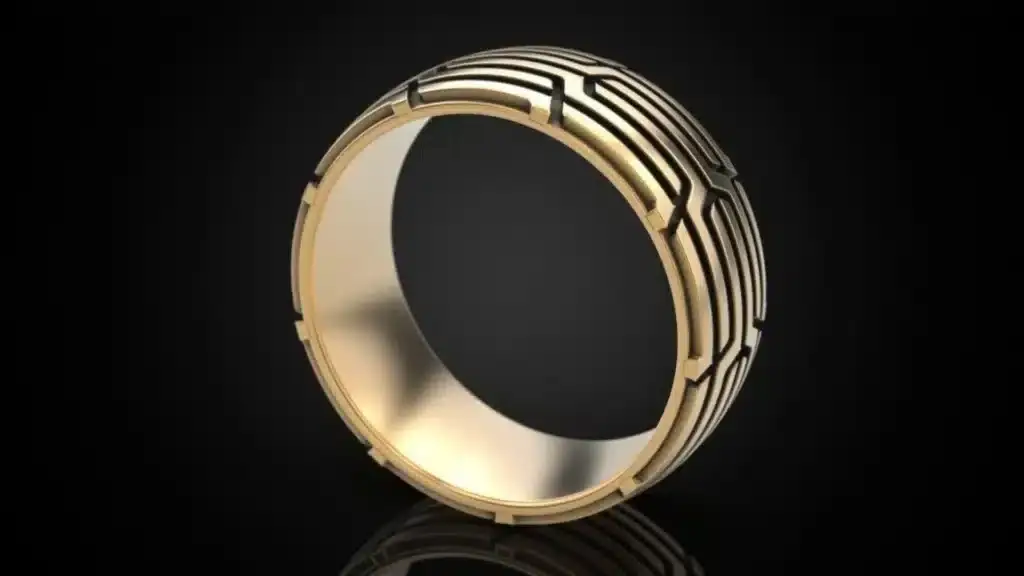
For example, a ring design may look beautiful in a render. However, the STL file helps confirm whether the piece can be printed, cast, polished, and worn comfortably. This step reduces mistakes and saves time.
In addition, STL files help brands avoid confusion. Instead of explaining every detail with words, they can share a digital model that shows the exact design.


The process usually begins with CAD design. A CAD designer creates a 3D model based on a sketch, reference image, or technical idea. Once the design is approved, the CAD file can be exported as an STL file for jewellery manufacturing.
This STL file then moves to the next stage. The manufacturer uses it for 3D printing. The printed model may come in wax or resin, depending on the production method. After that, the model can be used for casting.
As a result, the STL file becomes a production-ready version of the design. It allows the creative concept to enter the manufacturing process.
Manufacturers use a STL file for jewellery manufacturing in several important ways. First, they check the model for technical issues. They may review wall thickness, stone settings, ring size, and sharp details.
Next, they prepare the file for 3D printing. During this stage, the printer creates a physical model layer by layer. This model gives the team a real version of the design before metal casting begins.
After printing, the model can move into casting. The manufacturer uses it to create the jewellery piece in silver, gold, or gold vermeil. Therefore, the STL file helps connect design, printing, and production in one smooth workflow.


Before sending an STL file for jewellery manufacturing, brands should review several points. First, the design must match the correct size. Ring sizes, pendant dimensions, and earring proportions should be clear.
Second, the file should include enough thickness for casting and finishing. Very thin areas may break or lose shape during production. In addition, stone settings should match the exact stone sizes.
Brands should also confirm whether the file is final or still open for changes. Once production starts, revisions may take extra time. For this reason, careful review before sending the file helps avoid delays.
Using a STL file for jewellery manufacturing offers many benefits for modern brands. It improves accuracy, speeds up development, and supports better communication. It also allows manufacturers to test the design before making the final piece.
Moreover, STL files help brands create consistent products. If a design needs to be produced again, the same file can support repeat production. This is especially useful for collections, bestsellers, and wholesale orders.
In addition, STL files make custom jewellery production easier. Brands can develop unique designs while keeping the process organized and professional.
