Introduction to Rubber Mold Casting
rubber mold jewelry casting
Rubber mold jewelry casting offers a fantastic gateway into the intricate world of jewelry making. This technique is celebrated for its precision and versatility, enabling both novice and seasoned crafters to produce exquisite pieces. Let’s delve into how this method works and why it’s so beneficial for jewelry artisans.
rubber mold jewelry casting
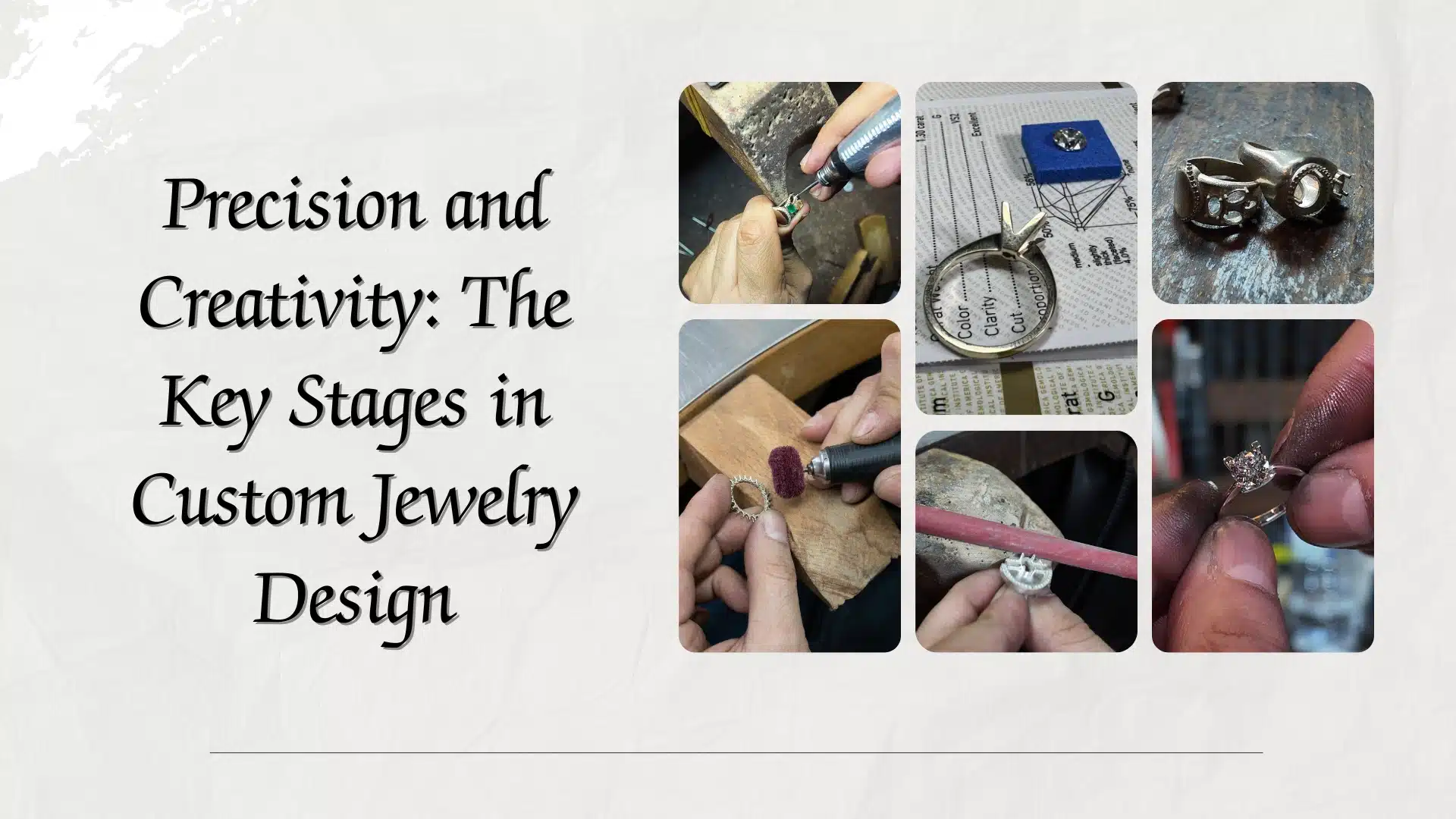
The first step in rubber mold jewellery casting involves creating a detailed model, usually crafted from wax. This model is the exact replica of the final jewelry piece you wish to create. It is meticulous work, but absolutely crucial as it sets the foundation for your entire casting process.
rubber mold jewelry casting
After the model is ready, it is encased in a liquid rubber compound. This rubber is then allowed to harden around the wax model. The curing process forms a sturdy yet flexible mold that captures every intricate detail of the original design. The precision here is key, as it determines the quality of all subsequent reproductions.
rubber mold jewelry casting
Once the rubber mold is set, the wax model inside is melted and drained away. This leaves a hollow cavity in the shape of the original jewelry piece. It’s this cavity that will be filled in the next step of the process. Here, the real magic happens as the design begins to take tangible form.
rubber mold jewellery casting
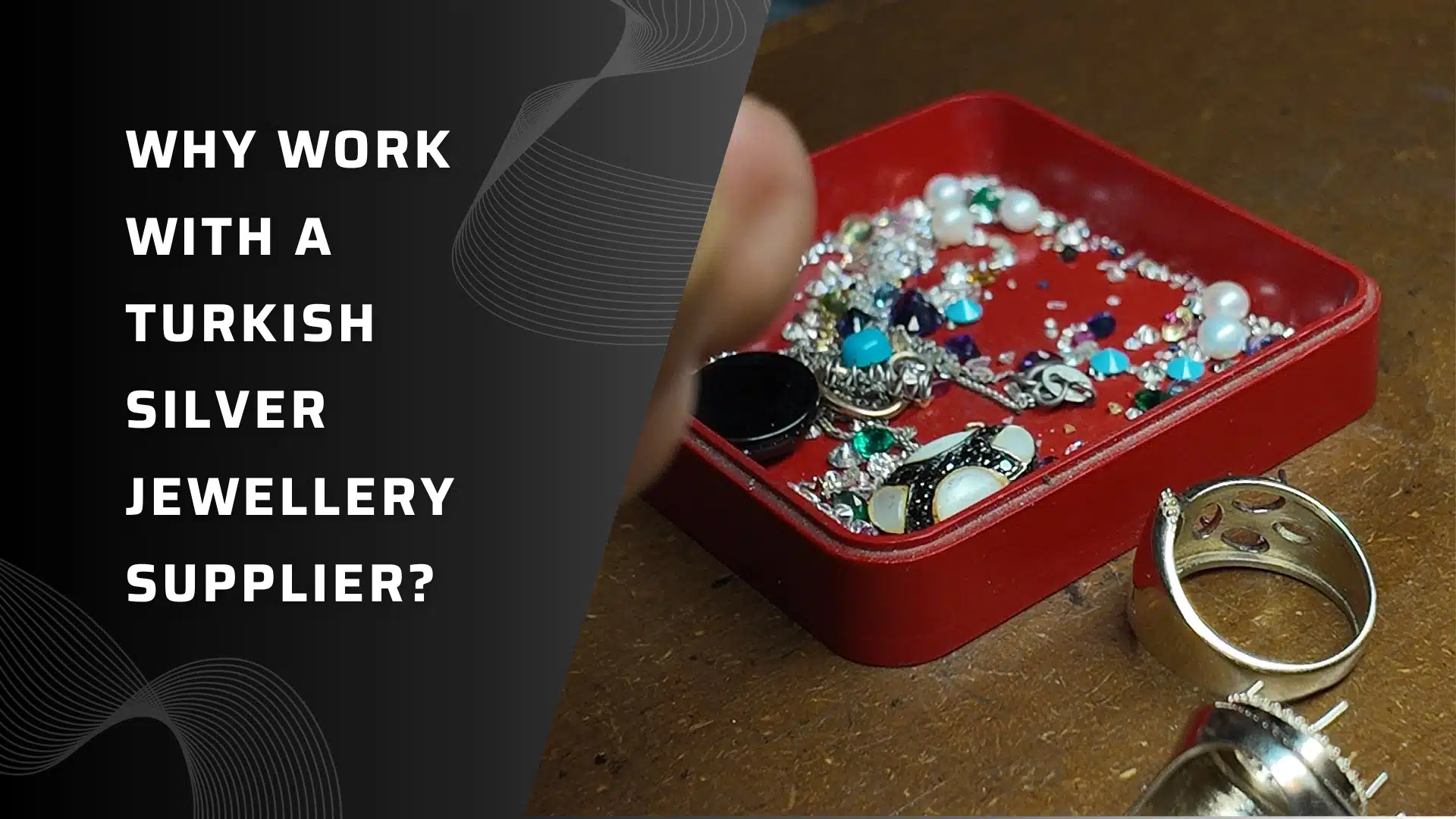
Metal is melted to a liquid state and then poured into the hollow cavity of the rubber mold. Metals typically used include silver, gold, or platinum, depending on the jeweler’s preference and the piece’s design requirements. The metal cools inside the mold, solidifying into the shape of the original wax model.
rubber mold jewelry casting
After the metal has cooled and solidified, the rubber mold is carefully peeled away. What emerges is a rough version of the finished jewelry piece. It may require some cleaning and polishing to bring out its full beauty, but the most intricate parts of the design are perfectly replicated thanks to the rubber mold.
rubber mold jewelry casting
This technique’s beauty lies in its ability to produce multiple copies of the same piece, all with the same intricate details and exquisite craftsmanship as the original. Rubber mold jewellery casting not only saves time but also ensures consistency across multiple productions, which is invaluable for both bespoke creations and larger production runs.
The Artistic and Practical Merits
rubber mold jewelry casting
In summary, rubber mold jewellery casting is a skillful blend of art and science, ideal for crafting detailed and consistent jewelry pieces. It allows jewelers to experiment with different materials and designs, pushing the boundaries of creativity. With practice, anyone can master this technique, opening up endless possibilities in the world of jewelry design.
Create Your Design
Related Posts

The Psychology Behind Gemstone Colours: How Hues Shape Mood
Colour plays a central role in how we experience the world. In jewelry, colour becomes even more meaningful because it sits close to the skin and travels everywhere with us. Understanding gemstone colour psychology reveals how different hues influence emotions, shape personal energy, and connect us to deeper symbolism. Each gemstone communicates a specific feeling through its shade, brightness, and tone.

Avoiding Stockouts: Forecasting Demand for Gift Season
Wax casting remains one of the most important techniques in modern jewelry production. Even with new digital tools, this method continues to shape fine details, organic forms, and timeless textures. Understanding wax casting jewellery gives insight into how raw ideas become wearable art. From a handmade silver master to the final polished piece, every stage requires skill, patience, and creative vision.

The Art of Wax Casting: From Silver Master to Intricate Designs
Wax casting remains one of the most important techniques in modern jewelry production. Even with new digital tools, this method continues to shape fine details, organic forms, and timeless textures. Understanding wax casting jewellery gives insight into how raw ideas become wearable art. From a handmade silver master to the final polished piece, every stage requires skill, patience, and creative vision.

CAD vs Hand Sketch vs Hand Carve: When to Use Each
Modern jewelry design blends technology and tradition more than ever before. Designers now choose between digital CAD modeling, classic hand sketching, and artistic hand carving depending on the project. To understand these choices clearly, exploring cad vs hand made jewellery helps us see how each method supports different goals. From precision to emotion, each approach brings something unique to the creative process.

Microns Explained: How Thickness Changes Durability
When it comes to gold plating, thickness is everything. Many customers focus on color or shine, but durability depends on the plating layer. This is why a clear gold plating microns guide is essential for both brands and consumers. Understanding microns helps you choose the right finish for longevity, daily wear, and overall value. Micron thickness determines not only how long the coating lasts but also how well it resists scratches, sweat, and friction.