Perfecting Elegance:
The Art of Jewelry Prototyping
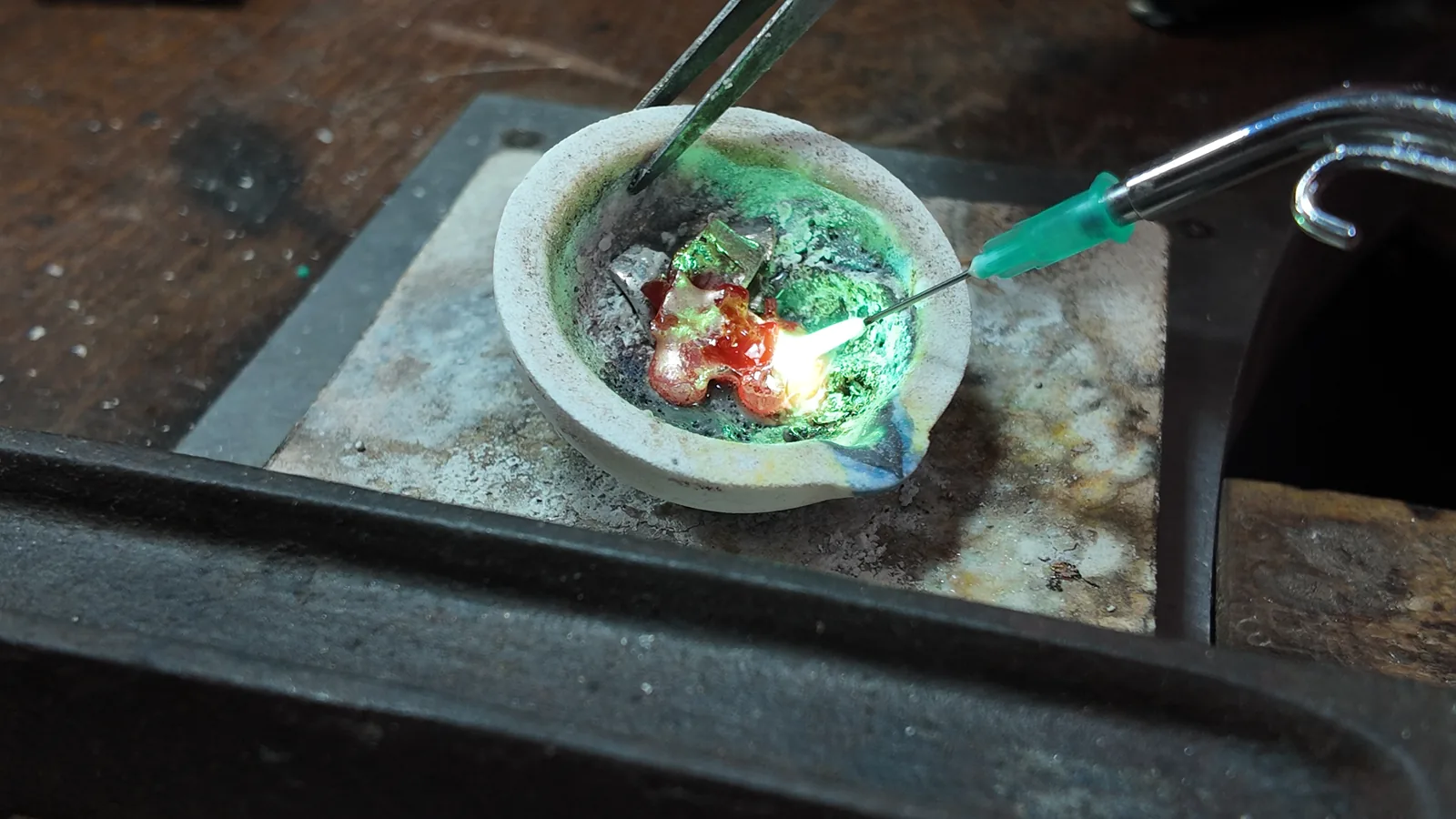
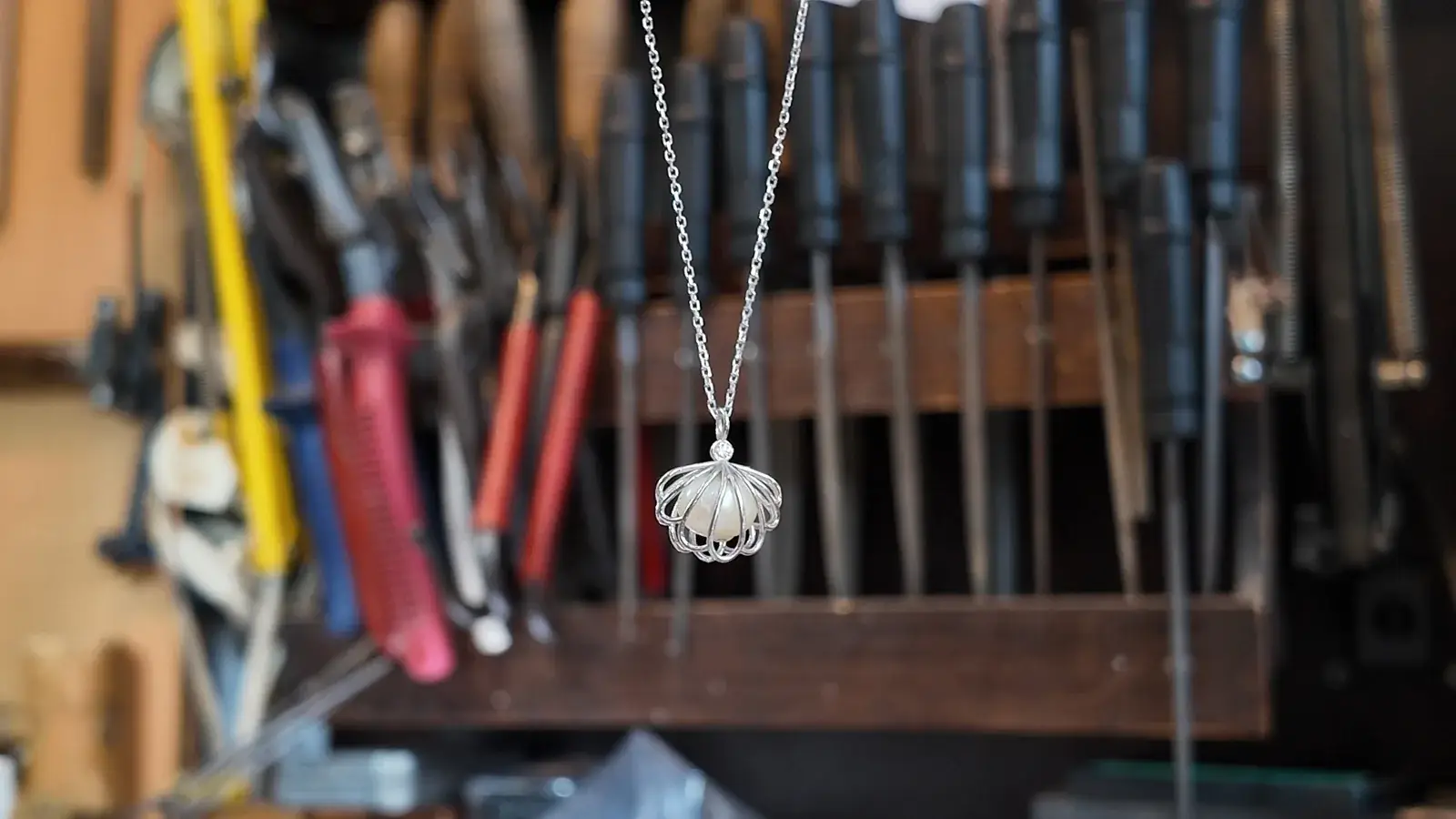
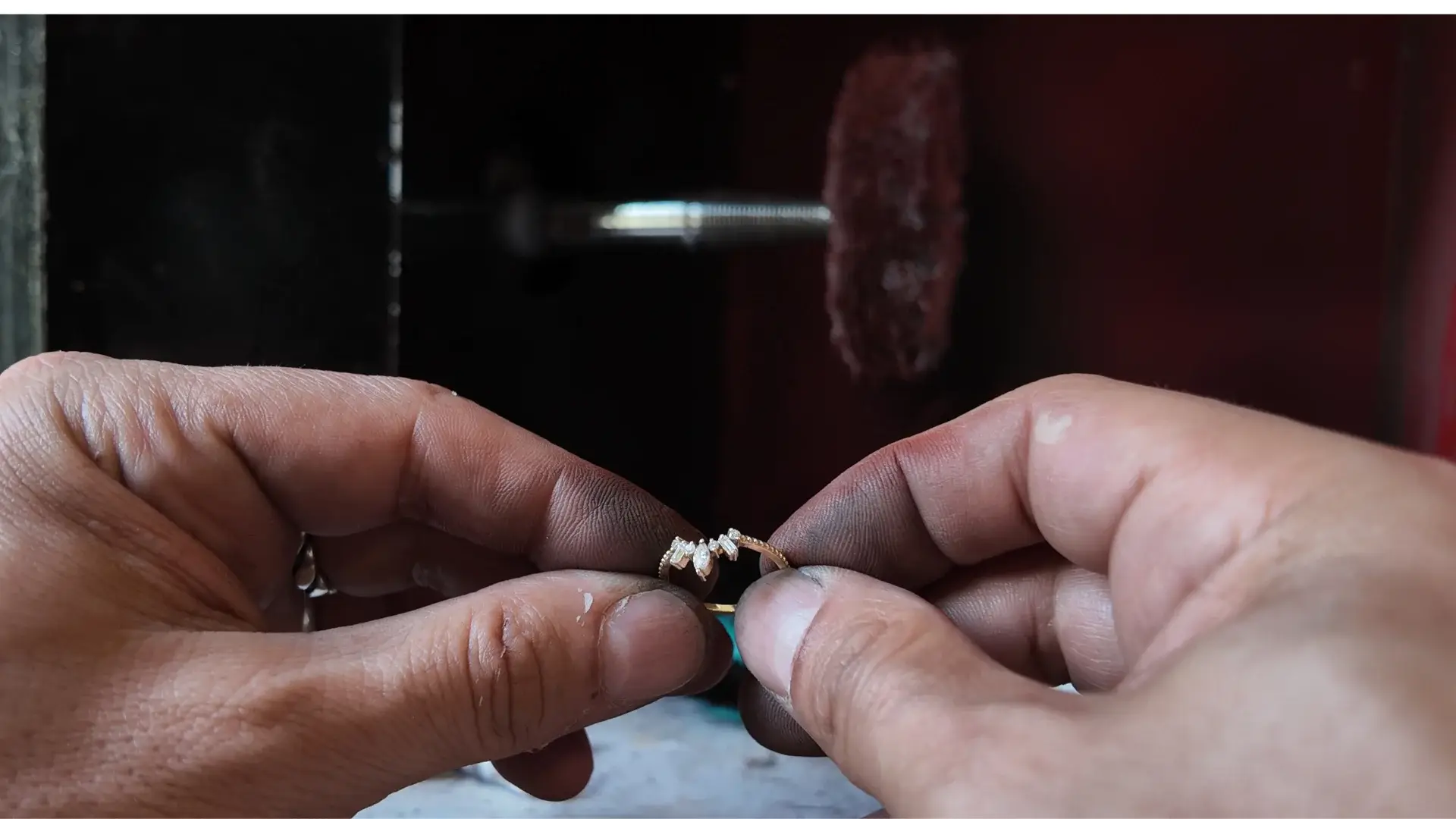
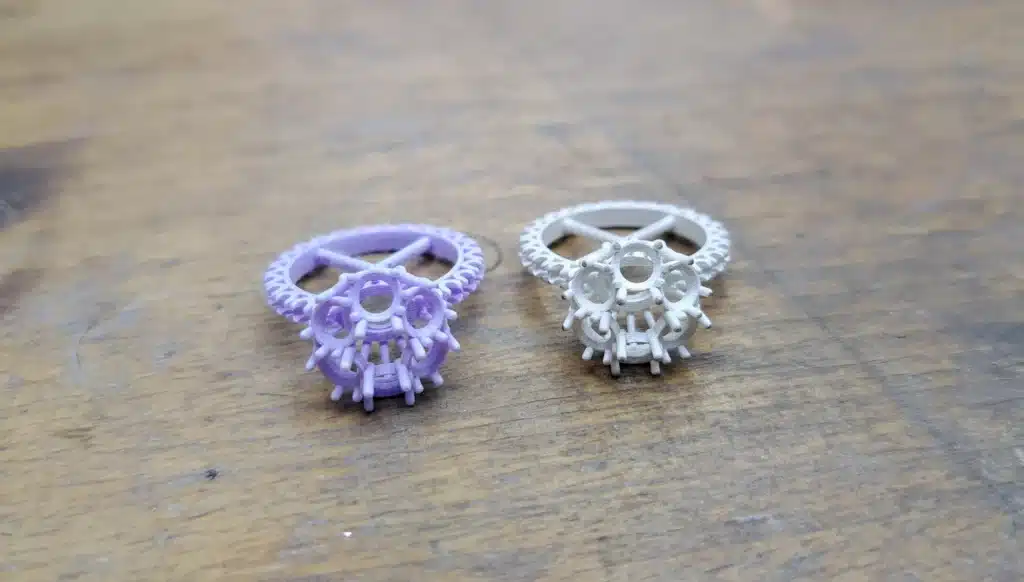
When it comes to creating unique jewelry, prototyping is key. This process lets designers see their ideas in physical form. Before final production, prototyping offers a crucial check. It ensures that each piece of jewelry will look and feel just right.
Jewelry Prototyping
Jewelry prototyping is not just helpful; it’s essential. Designers use it to experiment with shapes, sizes, and materials. By making a model first, designers can test the design’s appeal and functionality. This step can save time and materials in the long run. Plus, it helps avoid costly mistakes that might occur if the design went straight to production.
Jewelry Prototyping
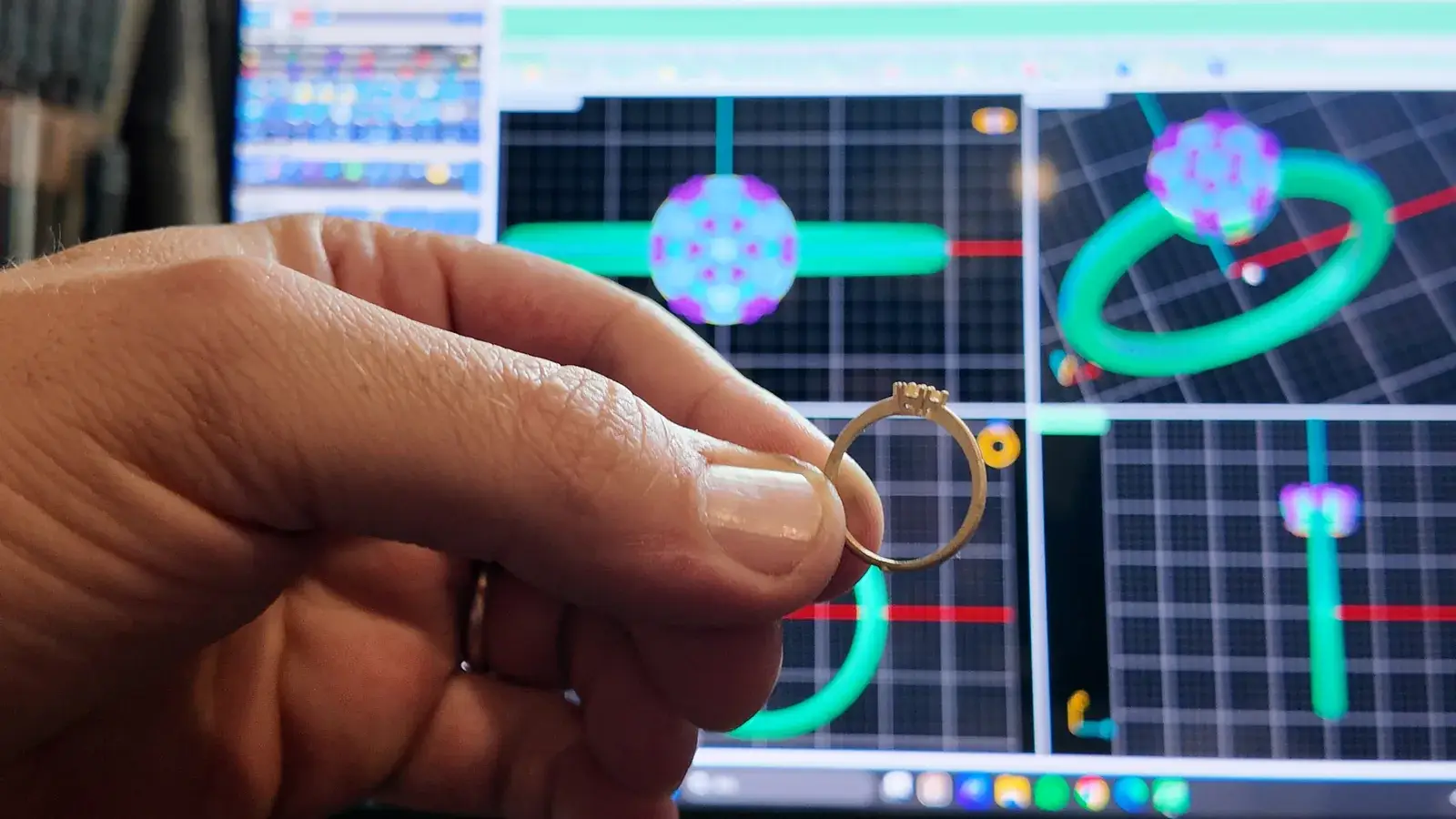
The process starts with a designer’s vision. This idea gets translated into a sketch or digital design. Next, a prototype, often made from less expensive materials, is created. This allows the designer and client to touch, feel, and see the piece. They can make sure it’s exactly what they want before finalizing the design.
Jewelry Prototyping
Advancements in technology have transformed jewellery prototyping. Tools like 3D printing are now commonly used. These technologies allow for precise and rapid production of prototypes. They provide a faster way to see and adjust the designs. With these tools, designers can easily make changes and try different versions of a piece.
Jewelry Prototyping
Prototyping also enhances the client’s experience. It allows clients to be part of the design process. They can see the prototype and give their feedback. This involvement ensures the final product will meet their expectations. It also increases their satisfaction and trust in the designer.
Jewelry Prototyping
Using prototypes is cost-effective. It’s cheaper to alter a prototype than to redo a finished piece. This efficiency saves the designer and client money. Adjustments are made before the expensive materials are used. This reduces the risk of wasting precious metals and gems.
Jewelry Prototyping
Prototyping encourages creativity. Designers can try bold new ideas without a huge risk. If a design doesn’t work as a prototype, it’s easy to go back to the drawing board. This freedom allows designers to push boundaries and innovate.
Final Thoughts
jewellery Prototyping
In conclusion, jewelry prototyping is a vital part of the custom jewelry manufacturing process. It brings designs to life and ensures they can be worn with pride. For designers and clients alike, it provides a practical, creative, and cost-effective pathway to perfecting custom jewelry pieces. This makes prototyping an invaluable step in creating beautiful, durable, and satisfactory jewelry items.
Create Your Design
Related Posts

Jewelry Sourcing Guide for Startups and Growing Brands
Starting a jewelry brand requires more than a strong design idea. You also need the right materials, supplier, manufacturer, timeline, and production plan. This is why jewelry production for startups should begin with smart sourcing.

How Much Does It Really Cost to Start a Jewelry Line?
Many founders ask the same question before launching: what is the real cost to start a jewelry line? The answer depends on your designs, materials, order quantity, branding, and sales plan. Because each brand has different goals, there is no single fixed number.

Advantages of Working with Bamina
Choosing the right manufacturer can shape the future of a jewelry brand. A strong idea needs skilled hands, clear planning, and steady communication before it becomes a finished product. This is why working with Bamina as a custom jewelry manufacturing partner can give brands a smoother path from concept to collection.

Evergreen vs. Trend-Driven Jewelry Collections: Which Strategy Is Right for Your Brand?
Every jewelry brand needs a clear product strategy. Some brands build their identity around timeless pieces, while others focus on fast-moving trends. Both paths can work, but they serve different goals. This is why evergreen jewelry collections matter for brands that want steady growth.

Choosing the Right Gemstone Setting: Prong, Bezel, Pavé, and More
A gemstone can change the full feeling of a jewellery piece, but the setting decides how that stone looks, sits, and lasts. This is why understanding gemstone setting types is important for every brand. The setting affects sparkle, security, comfort, and style.