Jewelry as Investment: Understanding the Value Beyond Adornment

A person examining various pieces of jewelry with a magnifying glass, surrounded by charts and financial documents.

Understanding the Value Beyond Adornment

Investing in jewelry

Is not just about adding to your fashion collection; it’s about making strategic decisions that could yield financial benefits in the long run. Jewelry as an investment involves understanding market trends, recognizing quality craftsmanship, and knowing the intrinsic value of materials used. This blog explores the essentials of investing in jewelry, providing insights to help you make informed decisions.

Jewelry as Investment: Understanding the Value Beyond Adornment

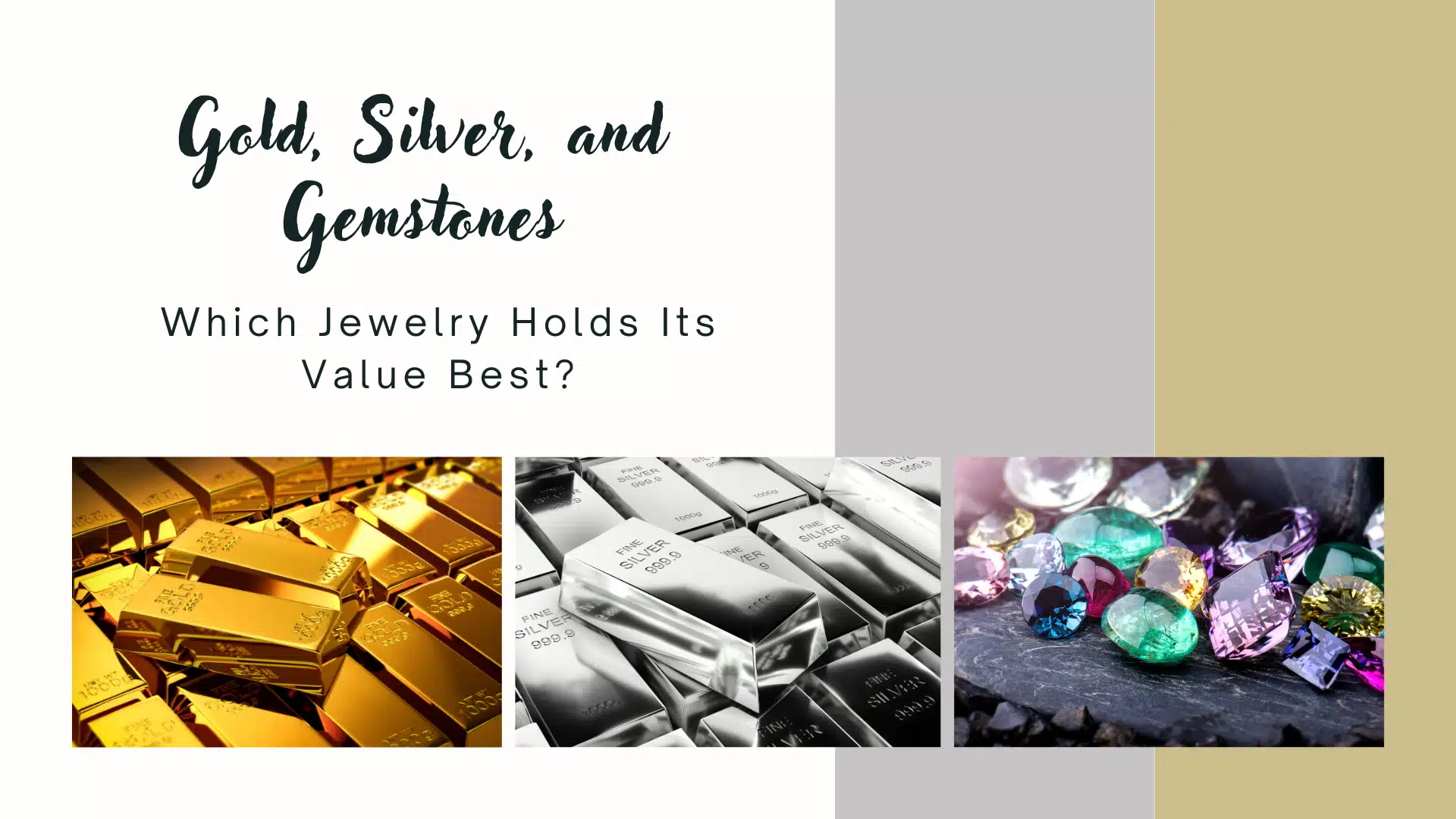
Investing in jewelry goes beyond purchasing beautiful objects—it involves acquiring assets that can appreciate in value over time. High-quality pieces made from precious metals and gemstones not only retain their worth but can also increase due to their rarity and demand.

Jewelry as Investment: Understanding the Value Beyond Adornment

The first step in investing in jewelry is to assess the quality and authenticity of the pieces. It’s essential to:

  • Understand the hallmarking of precious metals.
  • Recognize the characteristics of genuine gemstones.
  • Evaluate craftsmanship and the reputation of the maker or brand. These factors significantly influence the resale value and investment potential of jewelry.

Jewelry as Investment: Understanding the Value Beyond Adornment

Keeping an eye on market trends is crucial for jewelry investors. Historical performance, fashion trends, and economic factors can all influence the appreciation of jewelry pieces. For instance, vintage pieces from renowned designers or brands often gain value over time due to their limited availability and historical significance.

Jewelry as Investment: Understanding the Value Beyond Adornment

Like any investment, purchasing jewelry comes with its risks. The fluctuating prices of metals and gemstones, the liquidity of certain jewelry pieces, and the potential for depreciation all play a role. Investors should diversify their jewelry investments and consider insurance to mitigate these risks.

Jewelry as Investment: Understanding the Value Beyond Adornment

Developing a long-term investment strategy is key to success. Factors to consider include:

  • Buying during times of economic downturn when precious metal prices might be lower.
  • Selling when market demand is high, or when particular styles or pieces come back into fashion. Timing the market can significantly impact the return on investment.

Jewelry as a Sustainable Investment

Jewelry as Investment

Investing in jewelry requires patience, knowledge, and an appreciation for the art of jewelry making. With the right approach, jewelry can be a worthwhile addition to your investment portfolio, offering both aesthetic enjoyment and potential financial gain. Whether for personal pleasure or investment purposes, understanding the intrinsic and market-driven factors that influence jewelry’s value will equip you with the tools to make savvy purchasing decisions.

By partnering with a trusted name like Bamina Jewelry, known for its commitment to quality and timeless designs, you position yourself to not only enjoy the beauty of these items but also to potentially secure financial benefits in the future. Bamina Jewelry offers pieces that are not only beautiful but are crafted to stand the test of time, making them perfect candidates for investment. Treating jewelry purchases with the same consideration as other investments opens up the opportunity to enjoy aesthetic pleasures while also enhancing your financial portfolio through tangible assets.

Create Your Design

On Key

Related Posts

What Every Founder Should Know Before Starting a Jewelry Brand

Starting a jewelry brand feels exciting. Many founders begin with beautiful ideas, strong emotions, and creative passion. However, success depends on more than design alone. This is where jewelry brand planning becomes essential. A clear plan helps founders avoid costly mistakes and build a brand that lasts. Before choosing materials or launching products, every founder should understand the business side of jewelry.

jewellery compliance testing

Nickel, Lead, Cadmium: Compliance Basics

Jewellery touches the skin every day, which makes safety non-negotiable. Metals such as nickel, lead, and cadmium can cause serious health concerns when used incorrectly. This is why jewellery compliance testing has become a core requirement for responsible manufacturers and brands. Compliance protects consumers, builds trust, and ensures products meet international regulations.

Gold Price Volatility: How to Protect Margins

Gold prices rarely move in a straight line. They rise with inflation fears, fall with market optimism, and react quickly to global events. For jewelry manufacturers and brands, this constant movement creates pressure on margins. That is why having a clear jewellery hedging strategy is no longer optional. It allows businesses to manage uncertainty, protect profitability, and plan production with confidence.

Build vs Buy: Studio, OEM, or Hybrid?

Every growing jewelry brand eventually faces a major decision: should you build everything in-house, outsource to an OEM partner, or combine both models? This question goes far beyond cost. It affects quality, speed, flexibility, and brand control. Understanding oem jewellery vs in house helps brands choose a structure that supports long-term growth, not just short-term production.

Why Zero Waste Matters: Environmental and Economic Benefits for Jewelry Manufacturers

Today’s jewelry industry faces growing pressure to act responsibly. Materials, methods, and waste management all shape how brands are perceived and how efficiently they operate. This is why Designing with Purpose has become a leading principle. Zero-waste thinking is no longer a niche trend but a practical and ethical approach that benefits both the planet and the manufacturer.

Scroll to Top