Understanding Lost Wax Casting in Jewelry Manufacturing

A jeweler carefully pouring molten metal into a mold during the lost wax casting process in a workshop.

The Art of Lost Wax Casting

Lost wax casting, also known as investment casting, is a method used to create precise and intricate jewelry designs. The technique involves creating a wax model of the item, which is then encased in a mold. The wax is melted away, leaving a cavity that is filled with molten metal to form the jewelry piece. This method is ideal for producing high-quality and detailed pieces in metals like gold, silver, and platinum.

Understanding Lost Wax Casting in Jewelry Manufacturing

The first step in lost wax casting is designing the jewelry piece. Jewelers or designers sketch their ideas, which are then sculpted or molded in wax. The wax model can be carved by hand or printed using a 3D printer, allowing for precise details and complex designs that would be difficult or impossible to achieve through traditional metalworking techniques.

Understanding Lost Wax Casting in Jewelry Manufacturing

Once the wax model is ready, it’s encased in a heat-resistant investment material to create a mold. This investment is typically made of plaster or a similar substance, which needs to be strong enough to withstand the high temperatures of molten metal. The wax model and investment are placed in a flask, leaving the wax encased in the investment material.

Understanding Lost Wax Casting in Jewelry Manufacturing

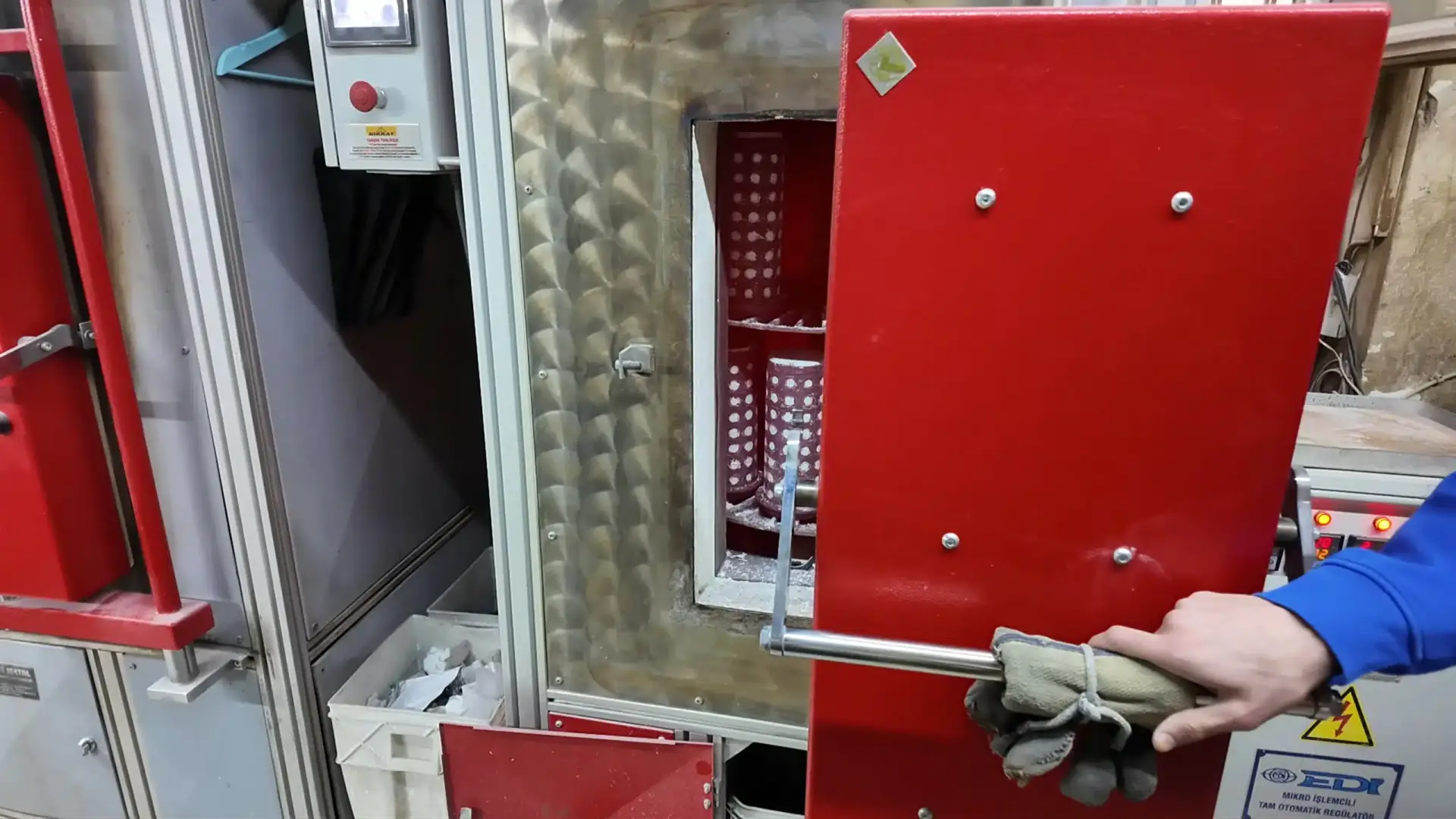
The next step involves the removal of the wax. This is done by placing the flask in a kiln, where it is heated to a high temperature. The heat causes the wax to melt and flow out, leaving behind a hollow mold. This is why the process is referred to as “lost wax” casting—the original wax model is lost in the process.

Understanding Lost Wax Casting in Jewelry Manufacturing

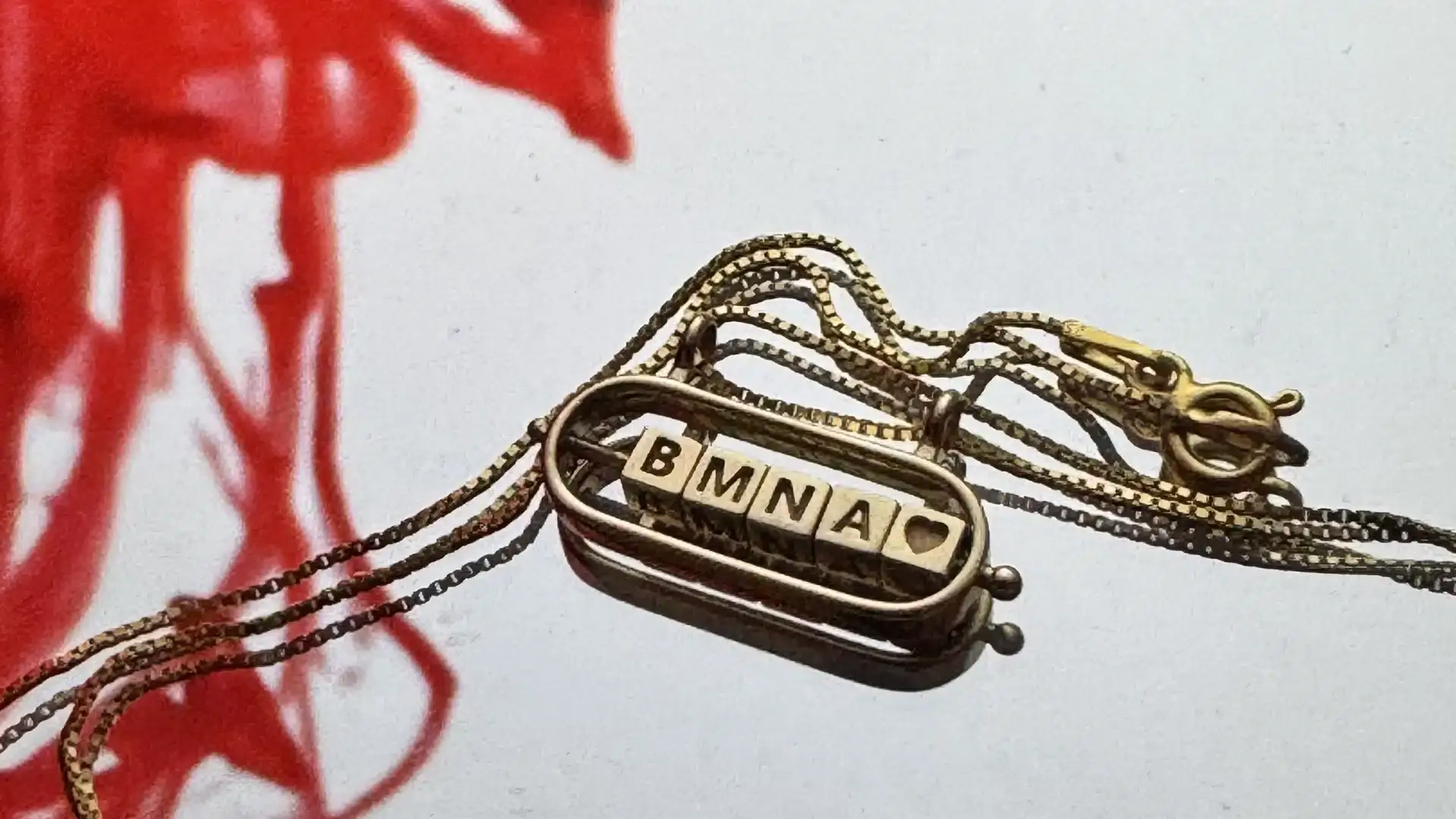
With the wax removed, molten metal is poured into the cavity left by the wax. This can be done using gravity or with the assistance of centrifugal or vacuum casting machines to ensure that the metal fills every detail of the mold. Once the metal cools and solidifies, the investment material is broken away, revealing the newly formed jewelry piece.

Understanding Lost Wax Casting in Jewelry Manufacturing

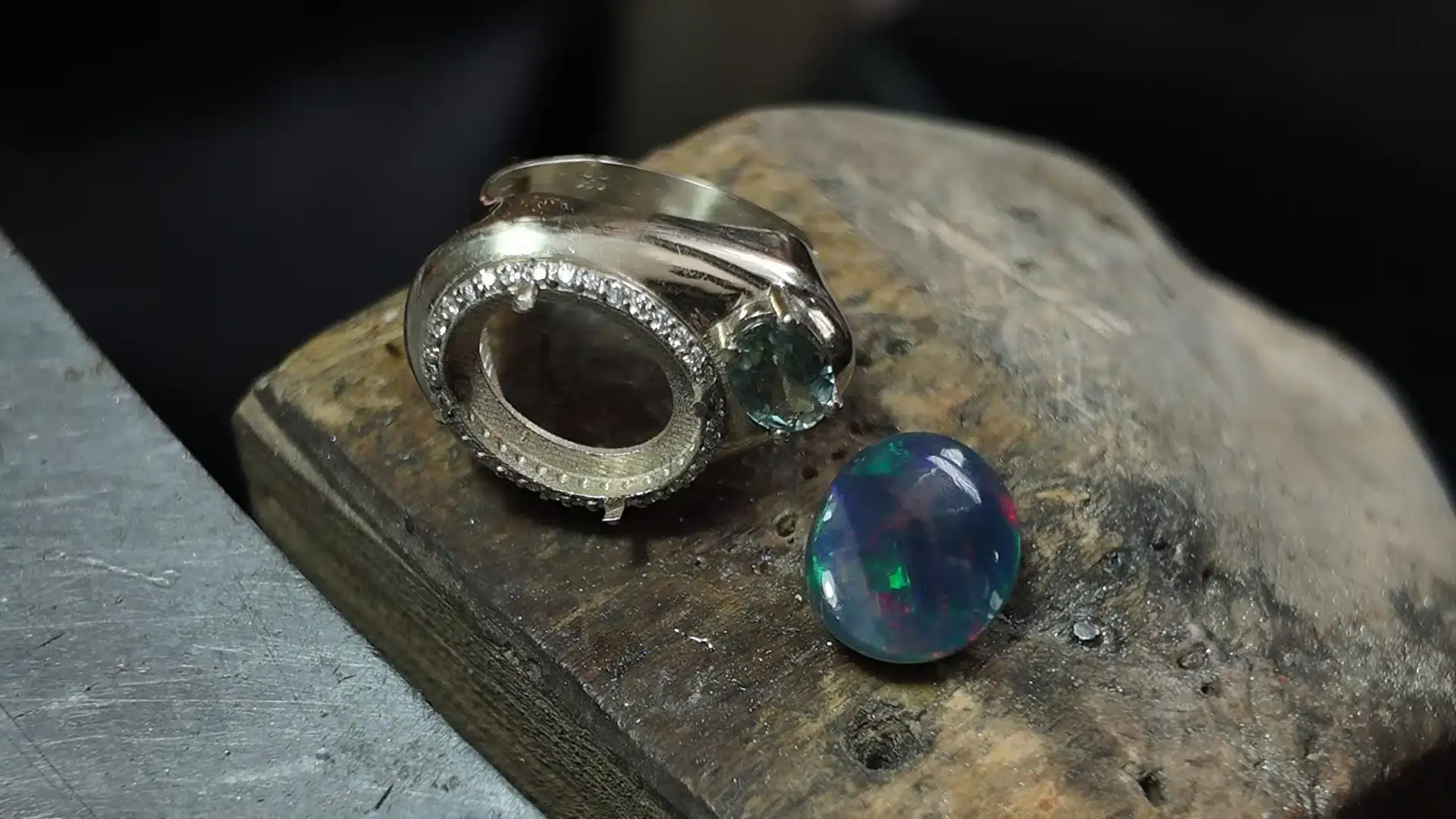
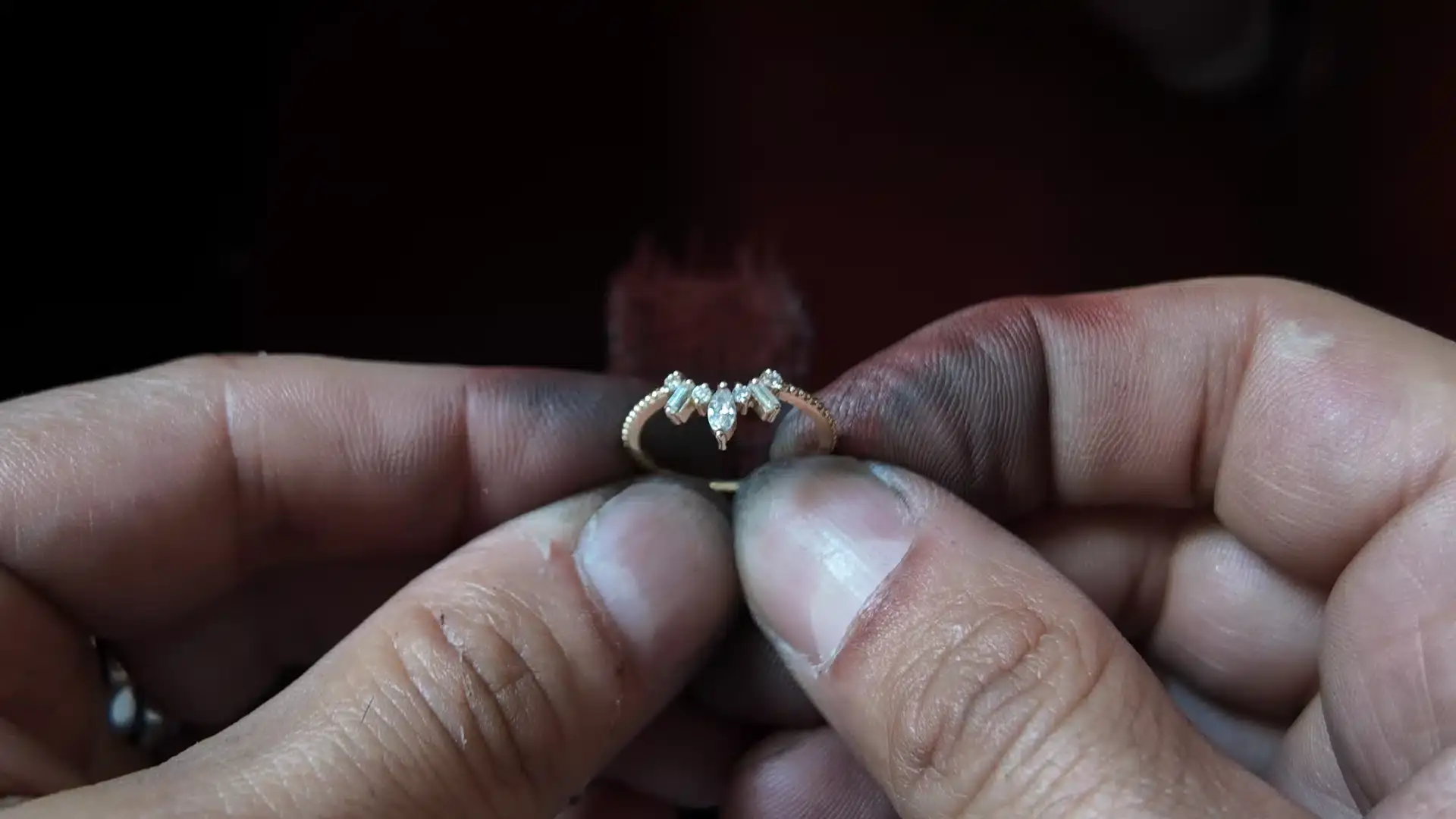
The casting is then cleaned and polished. Any additional processes such as setting stones, engraving, or further polishing are carried out to finish the piece. The result is a beautiful, detailed piece of jewelry that is exactly as the designer envisioned.

The Impact of Lost Wax Casting on Jewelry Manufacturing

Understanding Lost Wax Casting in Jewelry Manufacturing

Lost wax casting is a fascinating and ancient technique used in jewelry manufacturing that allows for intricate details and complex designs. This process has been refined over the centuries and remains a cornerstone of the jewelry industry today. In this blog, we’ll explore the steps involved in lost wax casting and how it impacts the quality and creativity of jewelry pieces.

Create Your Design

On Key

Related Posts

Custom Jewelry for Animal Lovers: Designing with Heart

Animals hold a special place in many lives. They offer companionship, loyalty, and emotional comfort. For many people, this bond goes beyond daily life and becomes part of personal identity. This is where Custom Jewelry for Animal Lovers finds its meaning. Custom pieces turn affection into a wearable symbol, allowing people to carry their connection close to them every day.

Classic vs. Contemporary: Jewelry Chain Styles That Never Go Out of Fashion

Jewelry chains do more than hold pendants. They define style, balance, and character. Across decades, some chain designs remain relevant because they adapt while staying true to their roots. This is where classic vs contemporary jewelry chains becomes an important discussion. Understanding both styles helps designers and brands create collections that feel timeless, not temporary.

how to choose jewelry metal

Choosing the Right Metal for Your Jewelry: A Complete Guide for Designers and Brands

Metal selection defines how jewelry looks, feels, and performs. It affects durability, price, comfort, and brand perception. For designers and brands, knowing how to choose jewelry metal is a strategic decision, not just an aesthetic one. Each metal brings different strengths and limits. When you choose wisely, designs last longer and customers stay satisfied.

Why Sampling and Quality Control Matter When Selecting a Wholesale Silver Jewelry Partner

Custom jewelry starts with an idea, but it succeeds through execution. At every stage, balance matters—creativity must meet accuracy. This is exactly Where Design Meets Precision. Our manufacturing process transforms concepts into wearable pieces through careful planning, technical control, and skilled craftsmanship. Each step builds on the last, ensuring the final piece reflects both vision and quality.

Where Design Meets Precision: Inside Our Custom Jewelry Manufacturing Process

Custom jewelry starts with an idea, but it succeeds through execution. At every stage, balance matters—creativity must meet accuracy. This is exactly Where Design Meets Precision. Our manufacturing process transforms concepts into wearable pieces through careful planning, technical control, and skilled craftsmanship. Each step builds on the last, ensuring the final piece reflects both vision and quality.

Scroll to Top