Lab Diamonds vs Natural Diamonds
Understanding Diamonds
The choice between lab diamonds and natural diamonds is becoming increasingly popular among jewelry buyers today. Each type of diamond offers unique benefits and considerations. This blog post delves into the essential aspects of both lab diamonds vs natural diamonds to help you make a more informed decision.
Lab Diamonds vs. Natural Diamonds: An In-depth Comparison
As technological advancements progress, lab-grown diamonds have become a substantial alternative to natural diamonds. By understanding the key differences and similarities between them, you can enhance your knowledge and satisfaction when making a purchase.
Lab Diamonds vs. Natural Diamonds: An In-depth Comparison
Natural Diamonds:
- Formation: Natural diamonds are formed over billions of years beneath the earth’s surface through natural geological processes. Consequently, they are often seen as more traditional.
Lab Diamonds:
- Creation: Conversely, lab diamonds are synthesized in controlled laboratory environments. These environments mimic the natural conditions that create diamonds, making the process much faster and more efficient.
Lab Diamonds vs. Natural Diamonds: An In-depth Comparison
The environmental impact of extracting diamonds from the earth is considerable, involving extensive mining operations. Lab diamonds offer a less environmentally taxing alternative, as they require no mining and generally use less resources, presenting a more sustainable choice.
Lab Diamonds vs. Natural Diamonds: An In-depth Comparison
Lab diamonds generally cost less than natural diamonds because the production processes are more controlled and efficient. This price difference makes lab diamonds more accessible, allowing buyers to opt for larger or higher quality gemstones at similar price points compared to natural diamonds.
Lab Diamonds vs. Natural Diamonds: An In-depth Comparison
Both lab diamonds and natural diamonds can reach exceptional levels of quality and beauty, capable of achieving high grades in clarity, color, and cut. They are virtually identical to the naked eye, requiring professional tools to distinguish between them, which highlights their comparable aesthetics.
Making an Informed Choice
Lab Diamonds vs. Natural Diamonds
Ultimately, the choice between a lab diamond and a natural diamond often hinges on personal values, budget considerations, and the intended use of the jewelry. If you prioritize environmental sustainability and cost-effectiveness, lab diamonds are an excellent choice. However, if you value tradition and long-term investment, natural diamonds might be more suitable.
By considering these points, you can make a well-informed decision, ensuring that whether you choose a lab diamond or a natural diamond, it will be a treasured addition to your jewelry collection.
Create Your Design
Related Posts

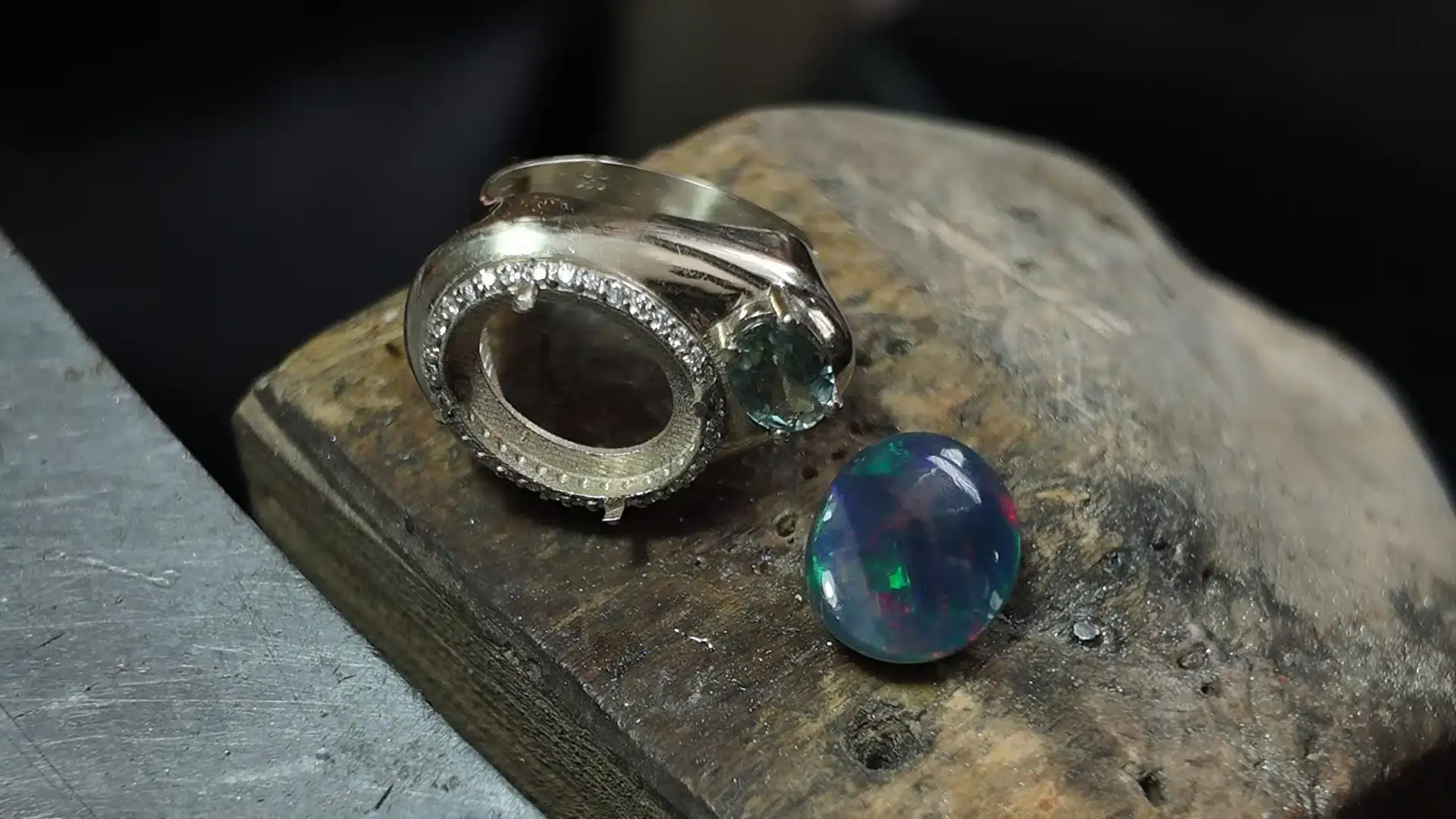
Choosing the Right Gemstone Setting: Prong, Bezel, Pavé, and More
A gemstone can change the full feeling of a jewellery piece, but the setting decides how that stone looks, sits, and lasts. This is why understanding gemstone setting types is important for every brand. The setting affects sparkle, security, comfort, and style.
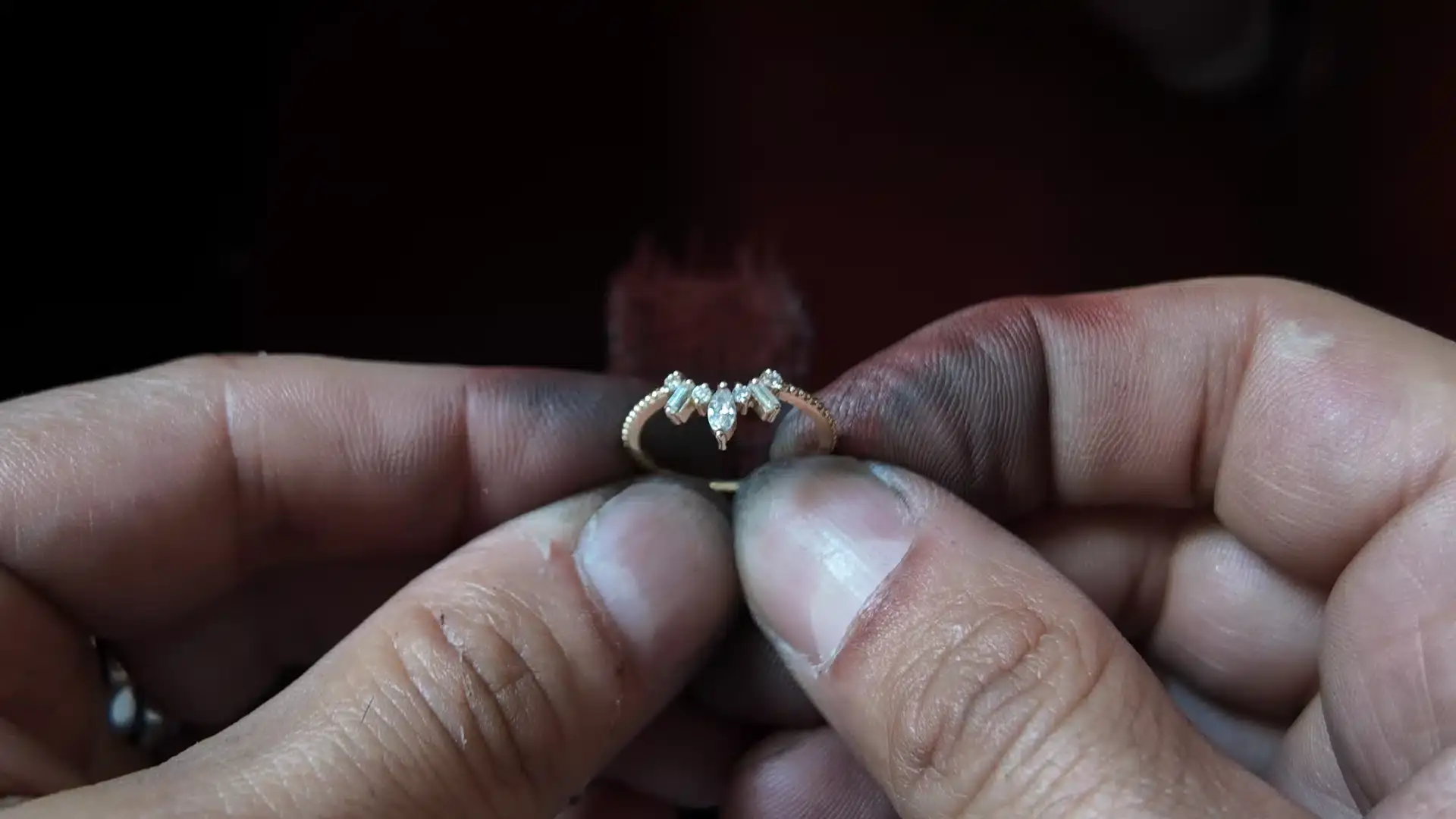
Evergreen vs. Trend-Driven Jewelry Collections: Which Strategy Is Right for Your Brand?
Every jewelry brand needs a clear product strategy. Some brands build their identity around timeless designs. Others follow fast-moving trends and release fresh styles often. Both choices can work, but they create different paths for growth. This is why evergreen jewelry collections deserve careful attention.
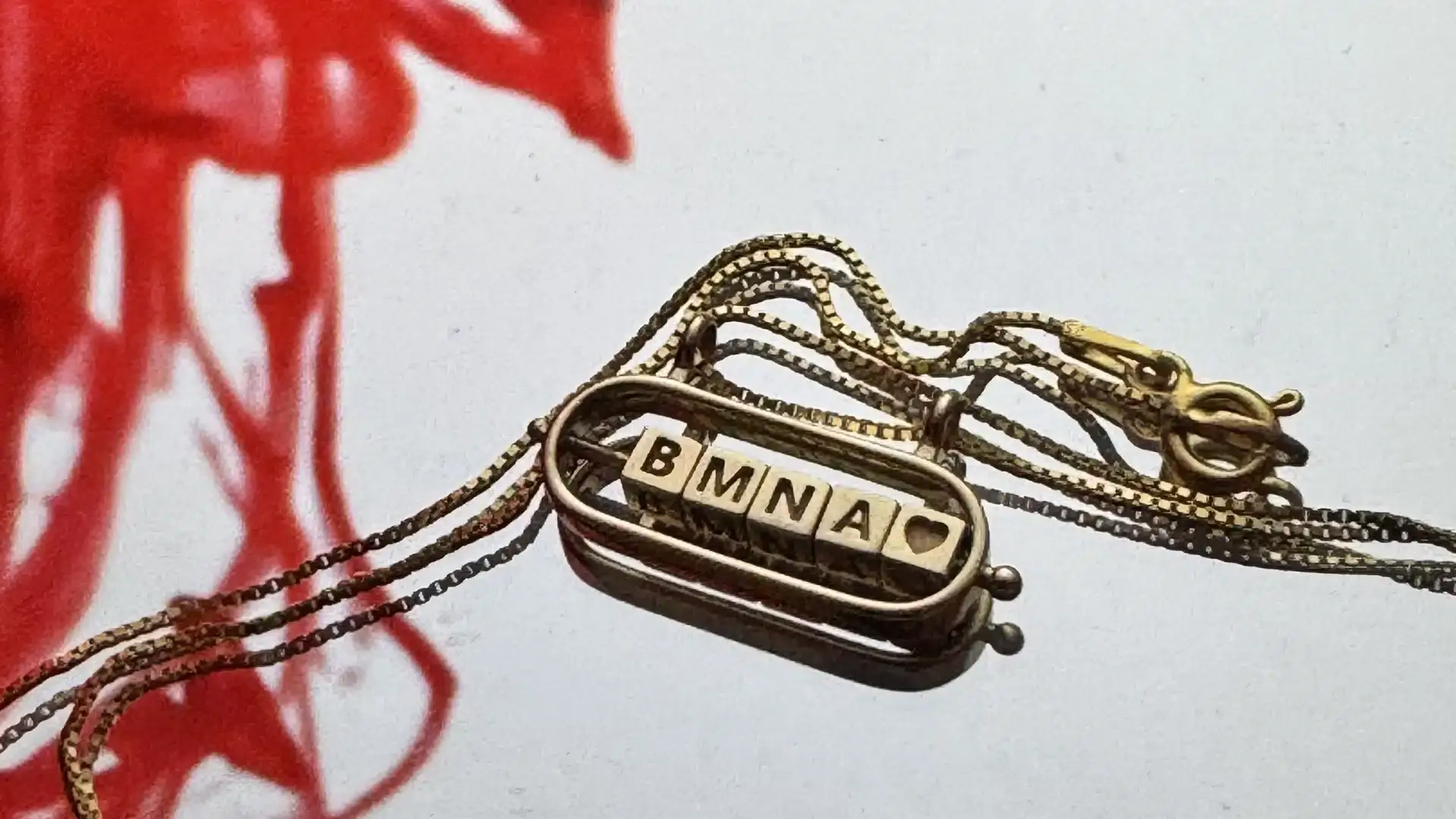
Advantages of Working with Bamina
Choosing the right production partner can shape the future of a jewelry brand. Designs may start with a sketch, but they need expert hands, clear planning, and reliable systems to become finished pieces. This is why Advantages of working with Bamina can make a strong difference for designers, startups, and established companies.
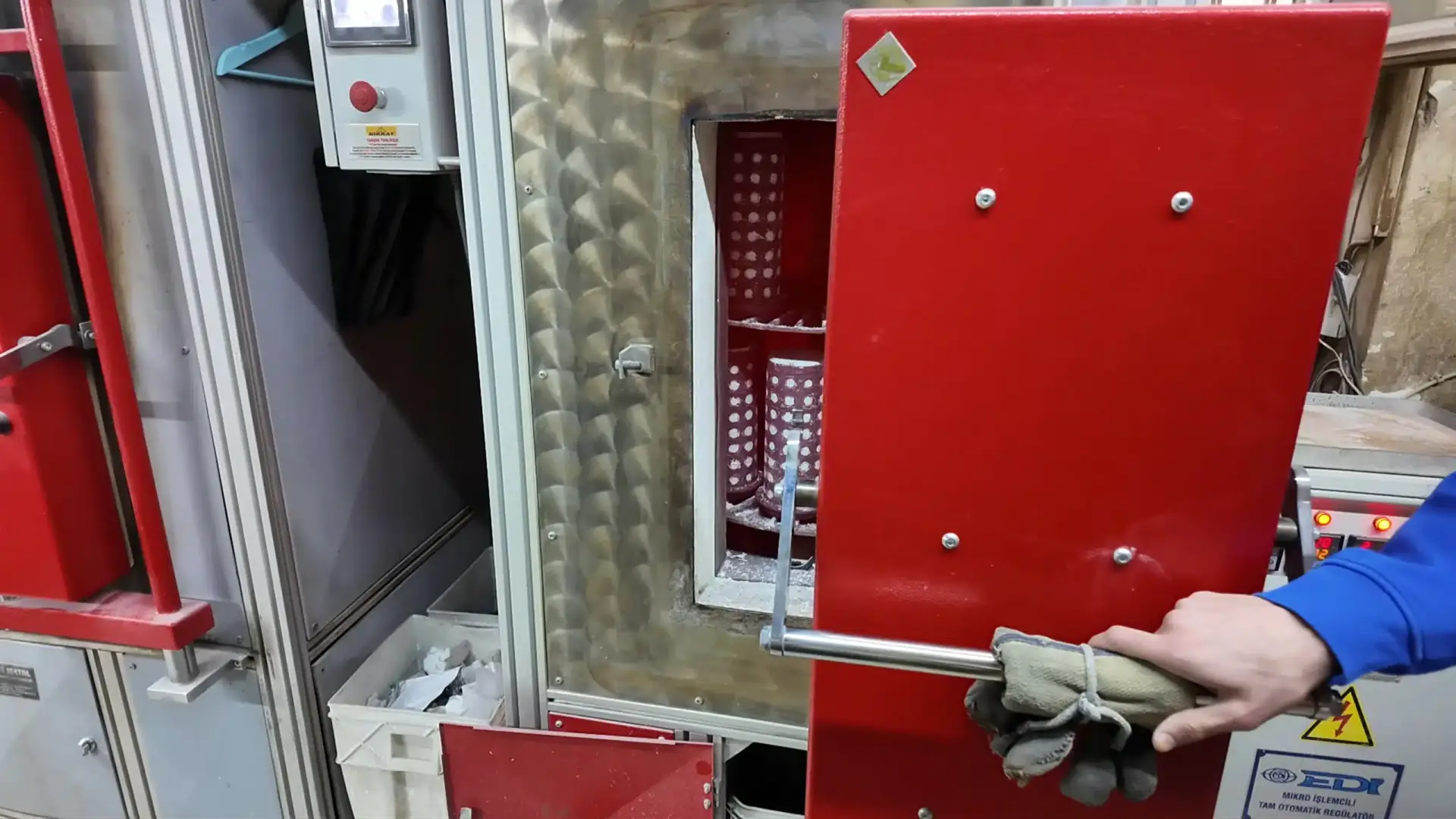
What Is Jewelry Casting? A Guide for Custom Jewelry Brands
What Is Jewelry Casting? A Guide for Custom Jewelry Brands begins with a simple idea: casting turns a design into a real metal piece. In this process, molten metal fills a mold and takes the shape of the jewelry design. After cooling, the piece moves through cleaning, refining, setting, and finishing.
Why Sustainability Matters for Women-Owned Jewelry Brands
Modern jewelry customers want more than beauty. They want meaning, care, and responsibility behind each design. This is why Why Sustainability Matters for Women-Owned Jewelry Brands has become an important topic for founders, designers, and manufacturers.
