
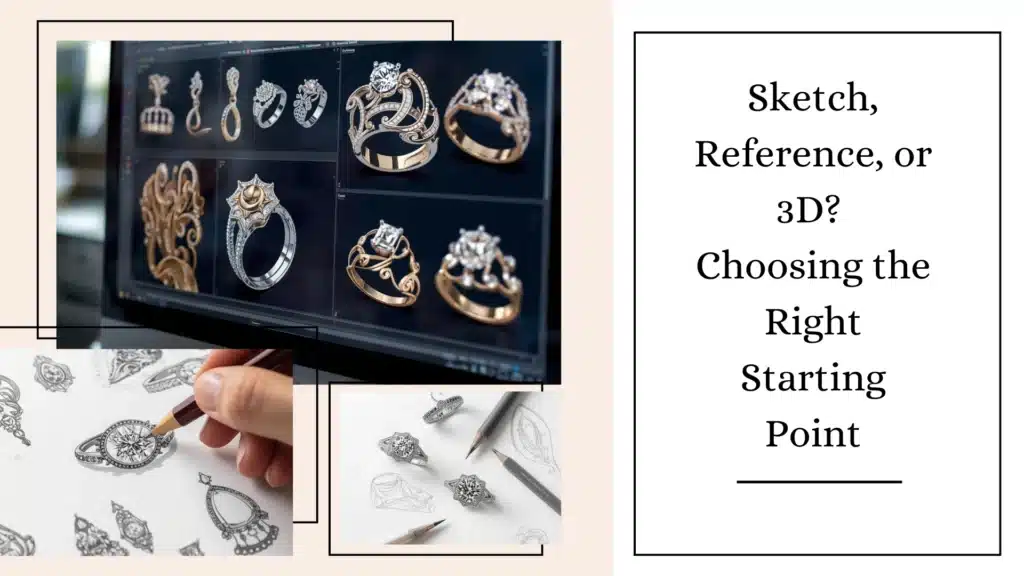
Every jewelry piece begins long before metal touches fire. The earliest stage—where ideas take form—decides the direction, complexity, and emotional identity of the final product. This is why jewellery concept development matters so much. Whether starting with a quick sketch, a visual reference, or a detailed 3D model, the right beginning influences every stage that follows.
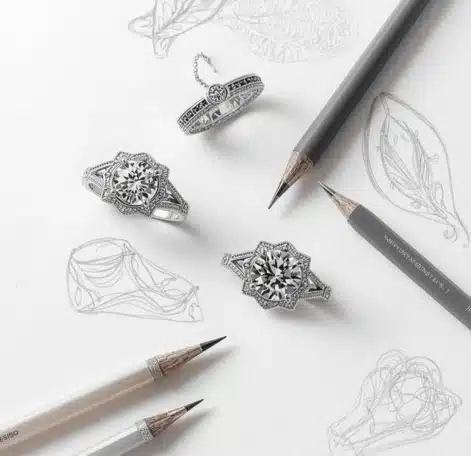
Sketching remains one of the most powerful tools in jewellery concept development. It allows ideas to flow freely without limitations. A pencil sketch captures energy, personality, and intuition. Designers can experiment with proportions, curves, stone shapes, and textures quickly. Sketching is ideal when the concept is still forming and needs room to evolve. It supports emotional expression while giving the designer full creative control.
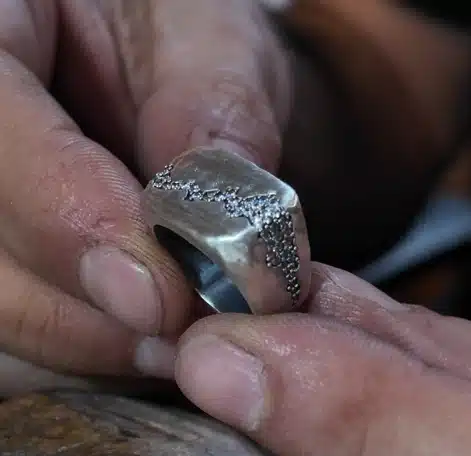
Many designers begin with references—photos, mood boards, textures, or real-life objects. References guide style, structure, and detail. In jewellery concept development, references help communicate ideas clearly, especially when working with clients. They align expectations about shapes, themes, and aesthetics. References are useful when the design must follow a certain trend, cultural element, or symbolic meaning. They ground creativity while still allowing space for originality.
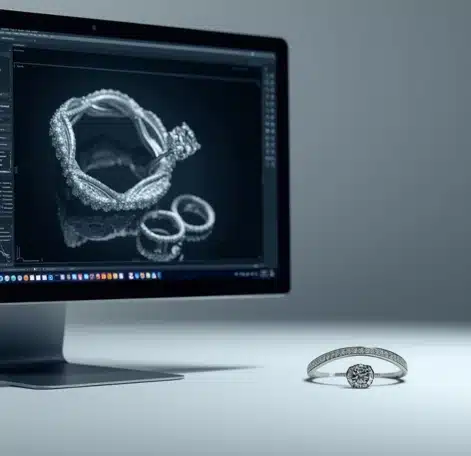
For some projects, 3D modeling offers the strongest foundation. A 3D model gives accurate measurements, realistic proportions, and a clear view of volume. During jewellery concept development, choosing 3D first makes sense when the design involves mechanical parts, complex stone settings, or precise symmetry. It supports advanced manufacturing, helps spot structural issues early, and gives clients a realistic view of the piece before production begins.
The right starting point depends on the project’s purpose. When exploring jewellery concept development, designers choose sketches for artistic freedom, references for visual direction, and 3D modeling for technical accuracy. A sentimental piece may begin with a hand-drawn concept. A commercial collection may start with reference boards for brand alignment. A complex engagement ring may need 3D modeling from the beginning to guarantee correct structure. Matching the method to the outcome ensures smooth progress.
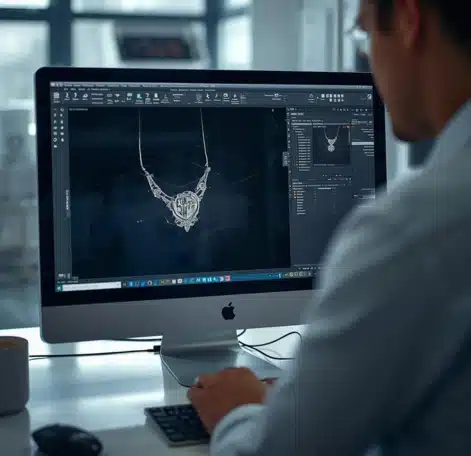
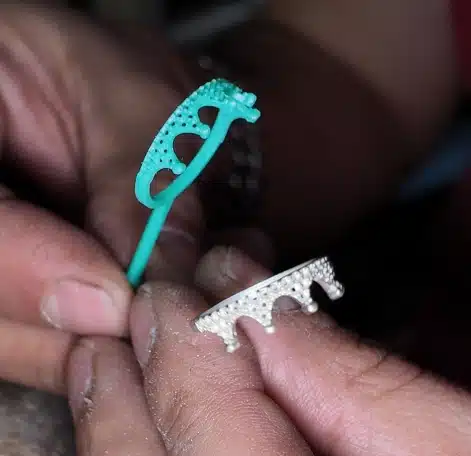
In today’s design environment, many projects use a combination of all three methods. A designer may sketch the initial idea, gather references for details, then transfer the concept into a 3D model. This blended approach strengthens jewellery concept development by giving creativity, clarity, and precision at each stage. Sketching unlocks imagination. References refine direction. 3D modeling finalizes structure. Together, they create a complete and efficient workflow.