
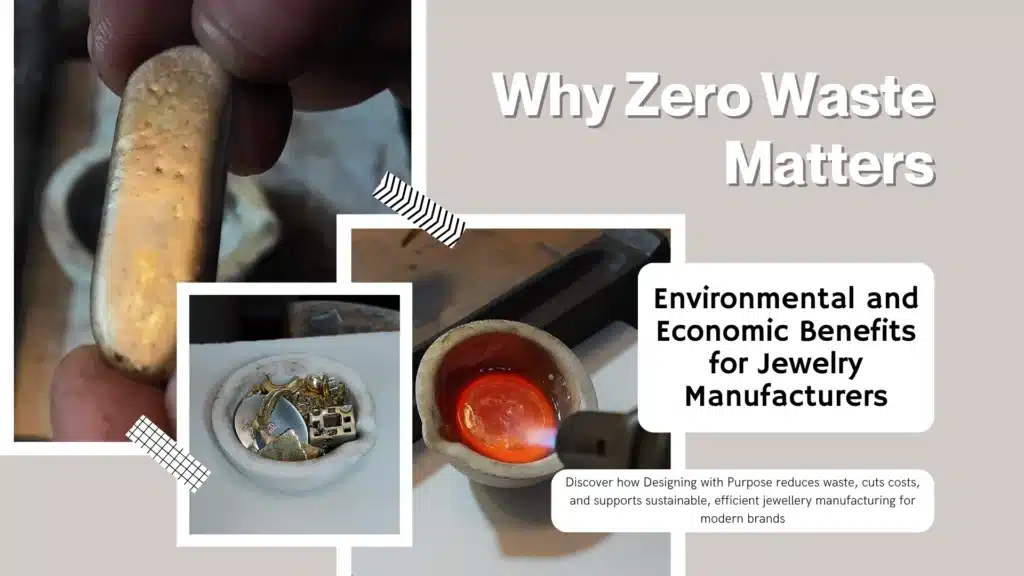
Today’s jewelry industry faces growing pressure to act responsibly. Materials, methods, and waste management all shape how brands are perceived and how efficiently they operate. This is why Designing with Purpose has become a leading principle. Zero-waste thinking is no longer a niche trend but a practical and ethical approach that benefits both the planet and the manufacturer.

A significant amount of metal can be lost during cutting, casting, and polishing. When a workshop integrates Designing with Purpose, it focuses on maximizing metal use and minimizing leftovers. Careful layout planning, optimized molds, and precise 3D modeling all reduce excess waste. Less waste means fewer resources used and fewer environmental impacts. For manufacturers, it also translates into real savings because precious metals such as silver and gold are costly.
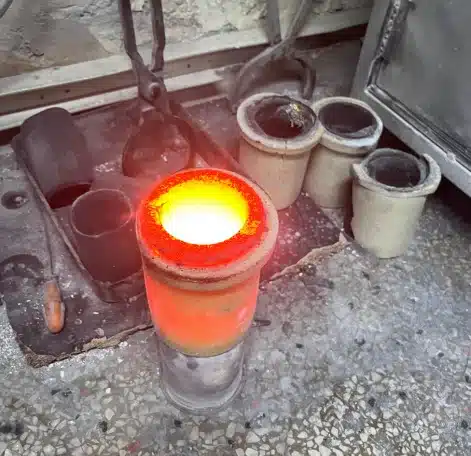
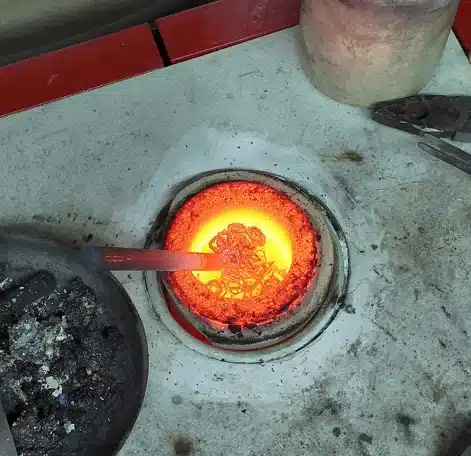
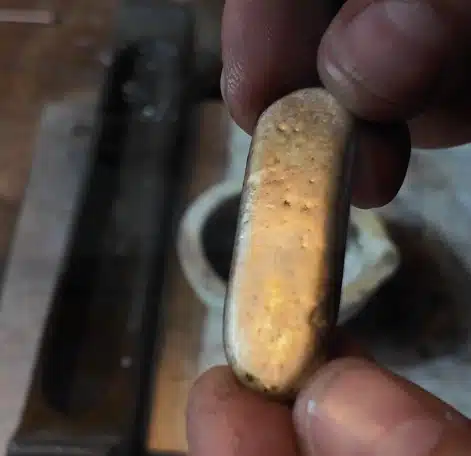
Zero waste thrives when metals are continuously recycled. Scrap silver, gold dust, failed castings, and old molds can all be refined and reused. Through Designing with Purpose, manufacturers build a circular workflow that keeps materials in constant rotation instead of discarding them. This approach lowers production costs, conserves natural resources, and reduces the need for newly mined metals. Clients increasingly value recycled metals, making this strategy both sustainable and commercially smart.
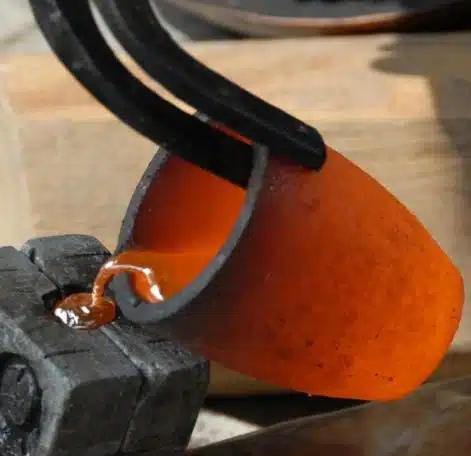
Technology plays a major role in reducing waste. CAD modeling, digital simulations, and virtual prototyping help identify issues early. When teams embrace Designing with Purpose, they use digital previews to avoid trial-and-error mistakes that lead to unnecessary metal loss. Digital accuracy also improves mold quality and ensures pieces are cast correctly the first time. As a result, manufacturers save time, money, and materials.
A zero-waste approach is not only about materials—it also shapes internal systems. Workspaces organized around Designing with Purpose reduce errors, speed up production, and improve consistency. Fewer mistakes mean fewer remakes and less discarded material. This creates a cleaner, safer, and more efficient environment. When every step is intentional, teams produce better pieces with less effort and fewer resources.
More customers now want ethical and eco-conscious products. They ask where metals come from, how pieces are made, and whether the manufacturer reduces environmental impact. With Designing with Purpose, brands show they take responsibility seriously. Zero-waste practices increase trust and support long-term loyalty. Ethical production does more than reduce harm—it strengthens brand identity and positions the company as a leader in responsible craftsmanship.