Recycled Jewelry Manufacturer

Embracing Change:

Recycled Jewelry Manufacturing

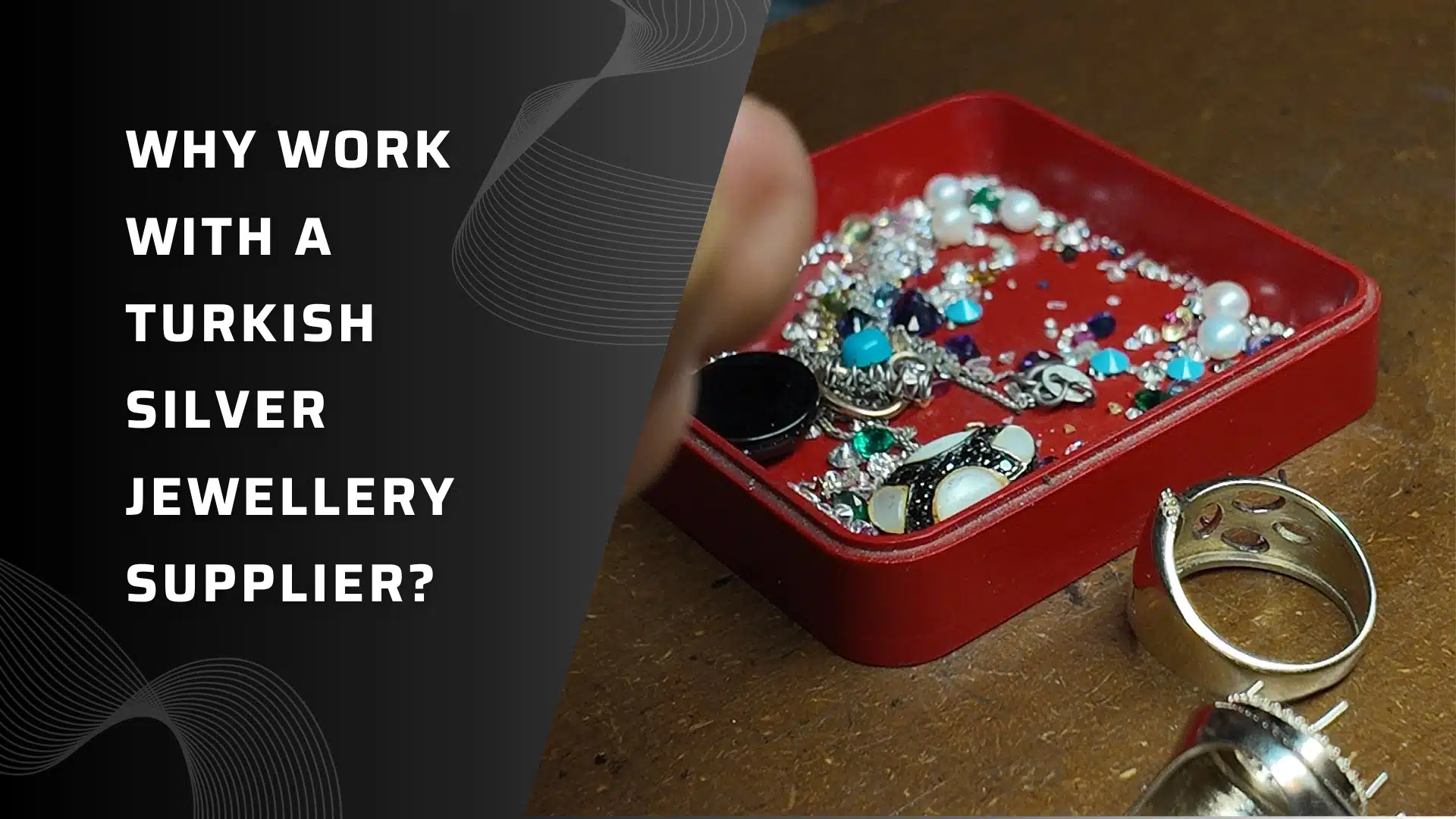
Recycled jewelry manufacturing is transforming the accessory industry by converting discarded materials into exquisite new pieces. This sustainable approach conserves valuable resources and produces unique, one-of-a-kind products that stand out in the market. By repurposing metals, plastics, and glass, recycled jewelry manufacturers give new life to materials that would otherwise be destined for landfills.

Recycled Jewelry Manufacturing

Recycled Jewelry Benefits


Recycled jewelry is crafted from repurposed materials, including metals, plastics, and glass, which are transformed into stunning and unique pieces. Each item narrates a tale of transformation, creativity, and sustainability. This innovative approach is increasingly popular, not only for its significant environmental advantages but also for its distinctive aesthetic appeal. By choosing recycled jewelry, consumers contribute to a more sustainable future while enjoying the beauty and craftsmanship of each piece. This method supports the reduction of waste, promotes recycling, and encourages a more conscious approach to fashion and personal adornment. The popularity of recycled jewelry continues to rise as more people appreciate its positive impact on the environment and its unique, artistic charm.

Recycled Jewelry Manufacturing

Transformative Crafting Process

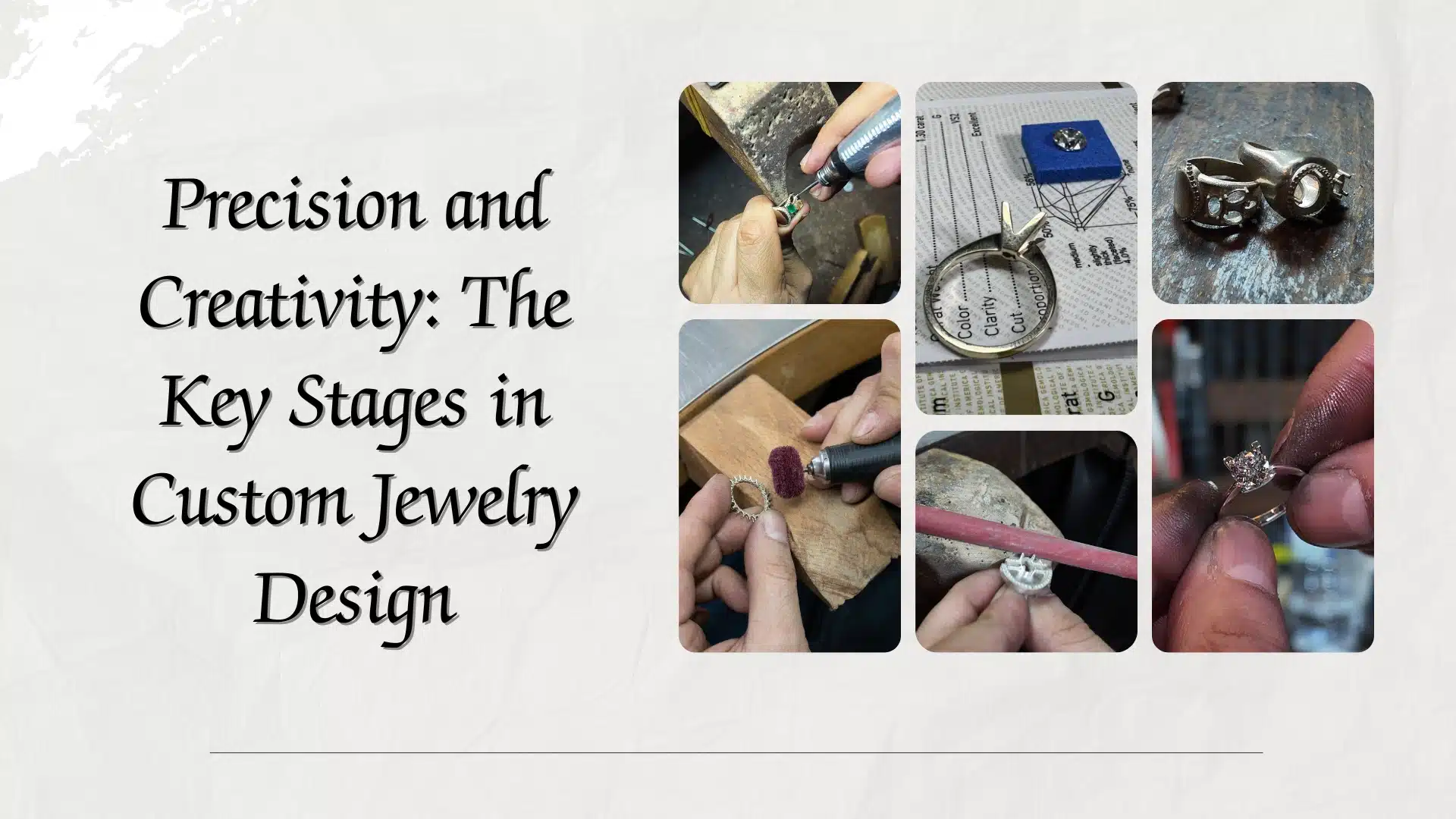
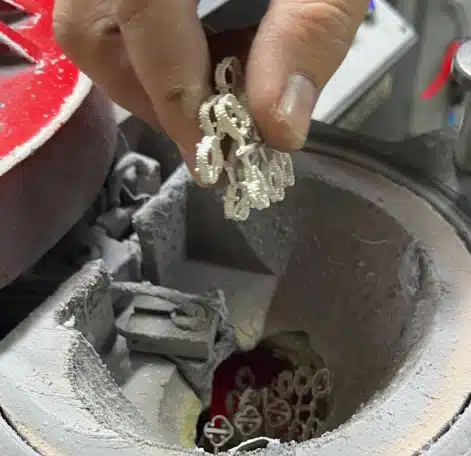
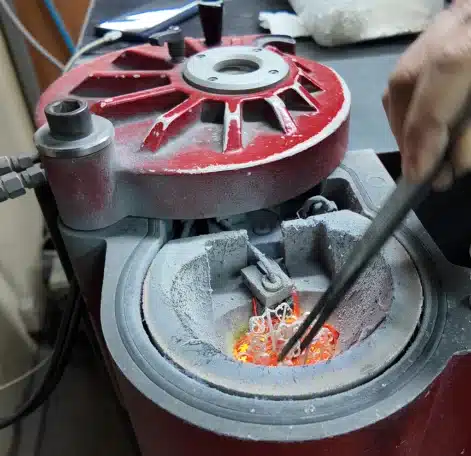
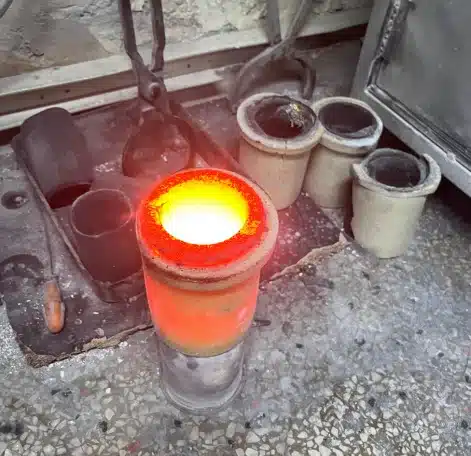
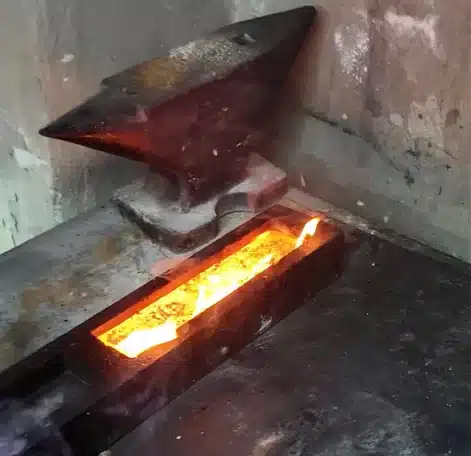
The journey of creating recycled jewelry begins with collecting and sorting materials. Next, these components undergo a thorough cleaning and preparation process to remove any impurities. Finally, skilled artisans transform these materials into elegant jewelry pieces, ensuring each item is high-quality and beautifully crafted. Every step in this process is essential to delivering exceptional and sustainable products.


Recycled Jewelry Manufacturing

Sustainable Fashion Choice

Opting for recycled jewelry offers several advantages. Firstly, it significantly reduces waste and minimizes environmental impact. Secondly, it supports innovative craftsmanship by encouraging the creative use of repurposed materials. Most importantly, it allows wearers to make a positive statement with their fashion choices, showcasing their commitment to sustainability and unique style.

Recycled Jewelry Manufacturing

Challenges in Recycling

Recycled jewelry manufacturing, like any industry, faces its own set of challenges. Consistently sourcing high-quality materials can be difficult. Additionally, educating consumers about the value and benefits of recycled products demands significant effort. Nevertheless, the industry continues to grow and strengthen.

Recycled Jewelry Manufacturing

Bright Sustainable Future

The outlook for recycled jewelry is promising. As awareness increases, more consumers are choosing sustainable options. Manufacturers are continuously refining their techniques. Consequently, the future appears bright for this eco-friendly trend.

Recycled Jewelry Manufacturing

Support Sustainable Fashion

Recycled jewellery manufacturers are leading a crucial shift in the fashion industry. By choosing recycled pieces, you support environmental sustainability and innovative design. This movement is not just about accessories; it’s about making a difference. Join the revolution and embrace recycled jewelry today!

Create Your Design

On Key

Related Posts

The Psychology Behind Gemstone Colours: How Hues Shape Mood

Colour plays a central role in how we experience the world. In jewelry, colour becomes even more meaningful because it sits close to the skin and travels everywhere with us. Understanding gemstone colour psychology reveals how different hues influence emotions, shape personal energy, and connect us to deeper symbolism. Each gemstone communicates a specific feeling through its shade, brightness, and tone.

Avoiding Stockouts: Forecasting Demand for Gift Season

Wax casting remains one of the most important techniques in modern jewelry production. Even with new digital tools, this method continues to shape fine details, organic forms, and timeless textures. Understanding wax casting jewellery gives insight into how raw ideas become wearable art. From a handmade silver master to the final polished piece, every stage requires skill, patience, and creative vision.

The Art of Wax Casting: From Silver Master to Intricate Designs

Wax casting remains one of the most important techniques in modern jewelry production. Even with new digital tools, this method continues to shape fine details, organic forms, and timeless textures. Understanding wax casting jewellery gives insight into how raw ideas become wearable art. From a handmade silver master to the final polished piece, every stage requires skill, patience, and creative vision.

CAD vs Hand Sketch vs Hand Carve: When to Use Each

Modern jewelry design blends technology and tradition more than ever before. Designers now choose between digital CAD modeling, classic hand sketching, and artistic hand carving depending on the project. To understand these choices clearly, exploring cad vs hand made jewellery helps us see how each method supports different goals. From precision to emotion, each approach brings something unique to the creative process.

Microns Explained: How Thickness Changes Durability

When it comes to gold plating, thickness is everything. Many customers focus on color or shine, but durability depends on the plating layer. This is why a clear gold plating microns guide is essential for both brands and consumers. Understanding microns helps you choose the right finish for longevity, daily wear, and overall value. Micron thickness determines not only how long the coating lasts but also how well it resists scratches, sweat, and friction.

Scroll to Top