
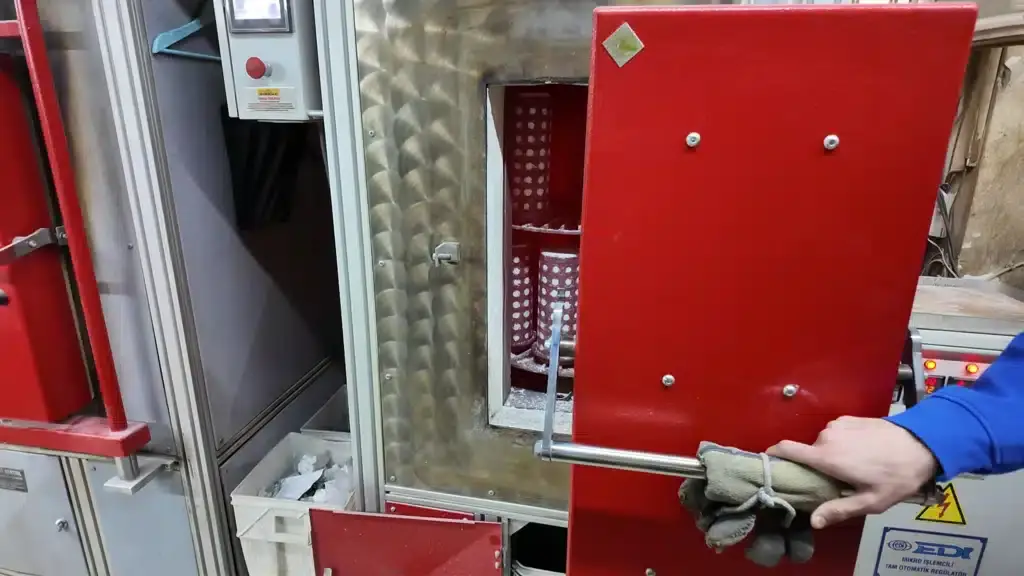
What Is Jewelry Casting? A Guide for Custom Jewelry Brands begins with a simple idea: casting turns a design into a real metal piece. In this process, molten metal fills a mold and takes the shape of the jewelry design. After cooling, the piece moves through cleaning, refining, setting, and finishing.
Casting helps brands create rings, pendants, earrings, bracelets, charms, and chain details with strong consistency. It also allows designers to produce detailed shapes that may be difficult to make by hand from flat metal.
For custom brands, casting creates a clear production chain from sketch to finished piece. This chain helps every team member understand where the design stands and what comes next. A planned chain also keeps communication simple between the brand and the workshop.

Before casting begins, the design needs a clear plan. In What Is Jewelry Casting? A Guide for Custom Jewelry Brands, this early stage matters because it shapes the full result.
A brand may start with a sketch, reference photo, or written idea. Then, a CAD designer turns the concept into a precise 3D model. The model shows size, thickness, stone placement, surface details, and balance.
This digital step also protects the production chain. If the model has weak areas, the team can fix them before metal work begins. In addition, CAD helps brands review details before spending money on samples.
A strong design chain reduces mistakes and helps the casting team work with confidence. It also creates a better file chain for approvals, revisions, and final production.
After CAD approval, the manufacturer creates a wax or resin model. This model represents the final jewelry piece before casting. What Is Jewelry Casting? A Guide for Custom Jewelry Brands often highlights this step because it connects digital design with physical production.
Manufacturers usually create the model with 3D printing. The print must show clean details, correct thickness, and smooth surfaces. If the design includes a bail, setting, or chain connector, these parts should fit the final use.
This model becomes part of the casting chain. A clean model supports a clean mold. A poor model can cause problems later. Therefore, the team should check the wax or resin carefully before moving forward.


The next step is mold preparation. The wax or resin model goes into a special investment material. Once the material hardens, heat removes the wax or resin and leaves an empty space inside the mold.
Then, the team melts the chosen metal, such as sterling silver, gold, or another suitable alloy. Molten metal fills the empty space and forms the jewelry piece. This is the heart of the casting chain.
What Is Jewelry Casting? A Guide for Custom Jewelry Brands shows why control matters here. Temperature, metal flow, and mold quality can affect the final result. If one part of the chain fails, the piece may show pits, cracks, or weak areas. A stable material chain helps the team avoid these issues.
After the metal cools, the manufacturer removes the investment material and takes out the raw casting. At this stage, the piece does not look finished yet. It needs cleaning, cutting, filing, and surface refining.
This refining stage forms another important chain of work. Craftsmen remove sprues, smooth rough areas, and prepare the piece for polishing or stone setting. If the design includes a chain link or small connector, the team must check strength and movement carefully.
What Is Jewelry Casting? A Guide for Custom Jewelry Brands explains that raw casting quality affects the final look. Good casting makes finishing easier. Poor casting can require more repair and may lower product quality. A clear inspection chain helps catch these problems early.

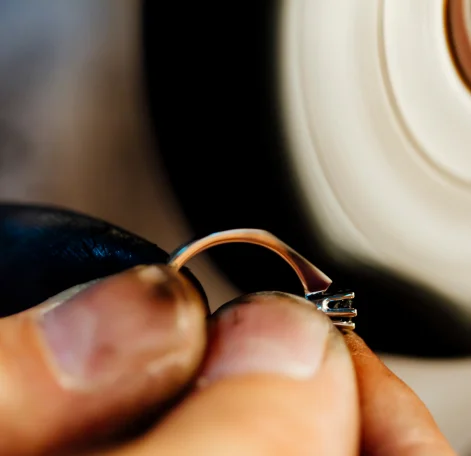
Once the cast piece is refined, it moves into the next production stage. Stone setters place gems securely, while polishers create the final surface. Depending on the design, the piece may receive high polish, matte finish, texture, rhodium plating, gold plating, or oxidation.
This finishing chain gives the jewelry its final personality. A ring may look elegant with high polish. A pendant may feel modern with a matte surface. A bracelet may need extra checking if it includes a chain section or moving parts.
In What Is Jewelry Casting? A Guide for Custom Jewelry Brands, finishing matters because customers see and feel this stage first. Smooth edges, secure stones, and balanced weight all affect the customer experience. The final chain of checks should confirm that every visible detail feels complete.
Casting gives custom jewelry brands flexibility. It allows them to create original designs, test samples, and produce collections with repeatable quality. This makes it useful for startups, designers, and established brands.
A reliable casting chain also supports growth. Once a design works well, the manufacturer can produce it again with the same mold or updated file. This helps brands manage repeat orders and maintain consistency. That chain makes future production easier.
A strong supplier chain also supports better timing, clearer pricing, and smoother future orders.
