
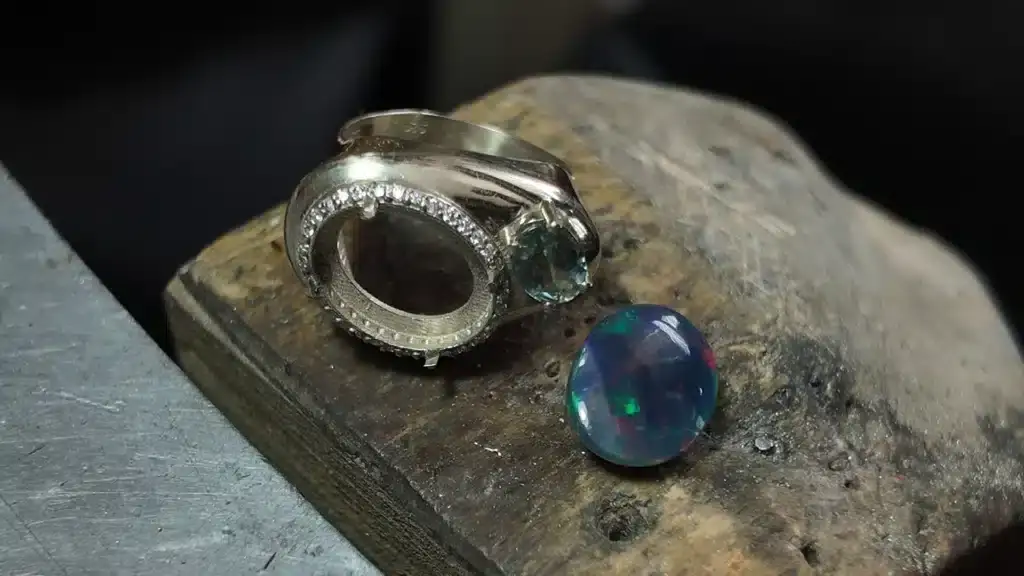
A gemstone can change the full feeling of a jewellery piece, but the setting decides how that stone looks, sits, and lasts. This is why understanding gemstone setting types is important for every brand. The setting affects sparkle, security, comfort, and style.
For example, a ring needs a setting that can handle daily movement. A pendant may need a lighter setting so it can sit well on a chain. Earrings should feel secure but not too heavy. A bracelet needs extra care because it moves often.
When brands compare gemstone setting types, they should think beyond beauty. They should also consider stone shape, metal strength, product category, and customer lifestyle. A beautiful design should also feel practical and safe to wear.
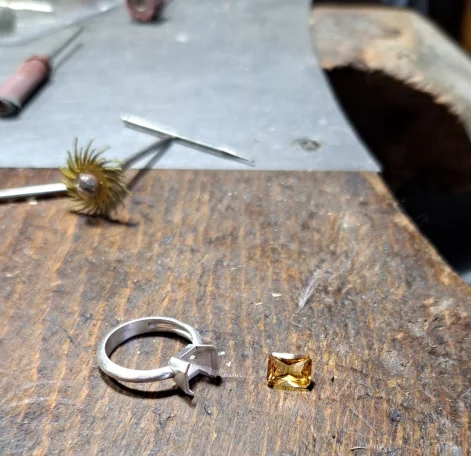
Prong setting is one of the most popular gemstone setting types. It uses small metal claws to hold the stone in place. Because the stone stays more open, light can enter from different angles. As a result, the gemstone often looks brighter and more brilliant.
This setting works well for diamonds, moissanite, cubic zirconia, sapphires, and many faceted stones. It is common in engagement rings, solitaire necklaces, stud earrings, and fine pendants. A small prong pendant can look elegant on a delicate chain, while a larger centre stone may need a stronger chain for balance.
However, prongs need careful production. If they are too thin, they may bend. If they are too thick, they may cover the stone too much. Therefore, prong settings need both skill and precision.
Bezel setting surrounds the stone with a thin metal rim. Among gemstone setting types, it offers one of the strongest levels of protection. The metal holds the stone from the edges, which helps reduce snagging and damage.
This style works well for everyday jewellery, men’s pieces, children’s jewellery, and active customers. It also suits softer stones because the metal frame gives extra safety. A bezel pendant can move smoothly on a chain without catching as easily as some raised settings.
Visually, bezel setting creates a clean and modern look. It can also feel vintage when paired with warm gold tones or textured metal. For brands that want comfort, durability, and a refined outline, bezel setting is a strong choice.
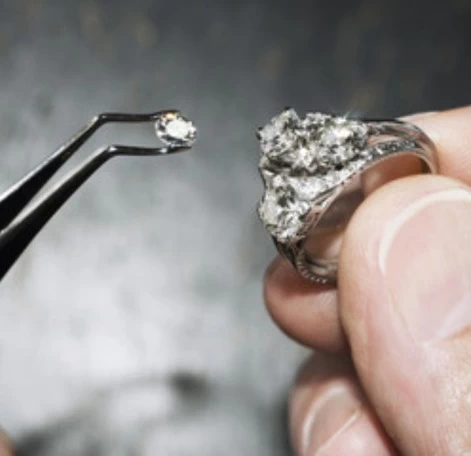

Pavé setting uses many small stones placed close together. This is one of the most sparkling gemstone setting types because it creates a surface covered with light. The word “pavé” means paved, which describes how the stones sit across the metal.
This setting works beautifully on bands, hoops, charms, halo designs, and accent details. It can make a simple piece feel more luxurious without using one large stone. A pavé pendant on a fine chain can feel delicate, while a pavé charm on a thicker chain can look more bold.
Still, pavé requires strong craftsmanship. Each small stone must sit securely. If the metal work is weak, stones may loosen over time. For this reason, brands should choose skilled setters and test samples before bulk production.
Other gemstone setting types can help brands create different looks. Channel setting places stones between two metal walls. It works well for wedding bands, bracelets, and modern line designs. A channel-set pendant can also look clean on a box chain.
Flush setting places the stone into the metal surface. The top of the stone sits almost level with the metal. This creates a smooth and minimal look. It works well for men’s jewellery and everyday pieces because it reduces sharp edges.
Tension setting holds the stone through pressure from the metal. It creates a modern floating effect. However, it needs very precise engineering. Brands should use this setting only with experienced manufacturers because security matters greatly.

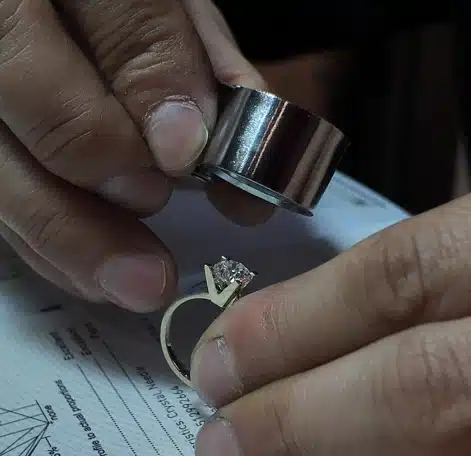
The best choice depends on the product. When comparing gemstone setting types, brands should first think about how the customer will wear the piece. Rings face more impact, so the setting must be strong. Bracelets also need secure settings because they move against surfaces.
Necklaces allow more freedom, but pendant weight still matters. A heavy stone pendant needs a strong bail and chain. A light stone can sit well on a fine chain. If the pendant is wide, the chain should match the scale. If the pendant is small, a thin chain often looks better. A short chain can create a neat look, while a longer chain can feel softer.
Earrings should feel light and comfortable. Prong settings can add sparkle, while bezels can add smoothness. For ear cuffs or huggies, pavé can create shine without adding too much size.
Choosing between gemstone setting types is also a branding decision. A minimal brand may prefer bezel, flush, or simple prong settings. A luxury-inspired brand may use pavé, halo, or detailed prong styles. A bold brand may choose larger stones, stronger bezels, or mixed settings.
Material also matters. Sterling silver, gold vermeil, and solid gold can all support different setting styles. The design team should check metal thickness, stone size, and final finish before production. The chain length, chain thickness, and chain style should also match the pendant setting when creating necklaces.
Before final approval, sampling is essential. A sample helps check stone security, comfort, shine, and balance. It also shows whether the chain supports the pendant correctly. The chain should pass through the bail smoothly, and the chain should not twist or pull the pendant forward.
