




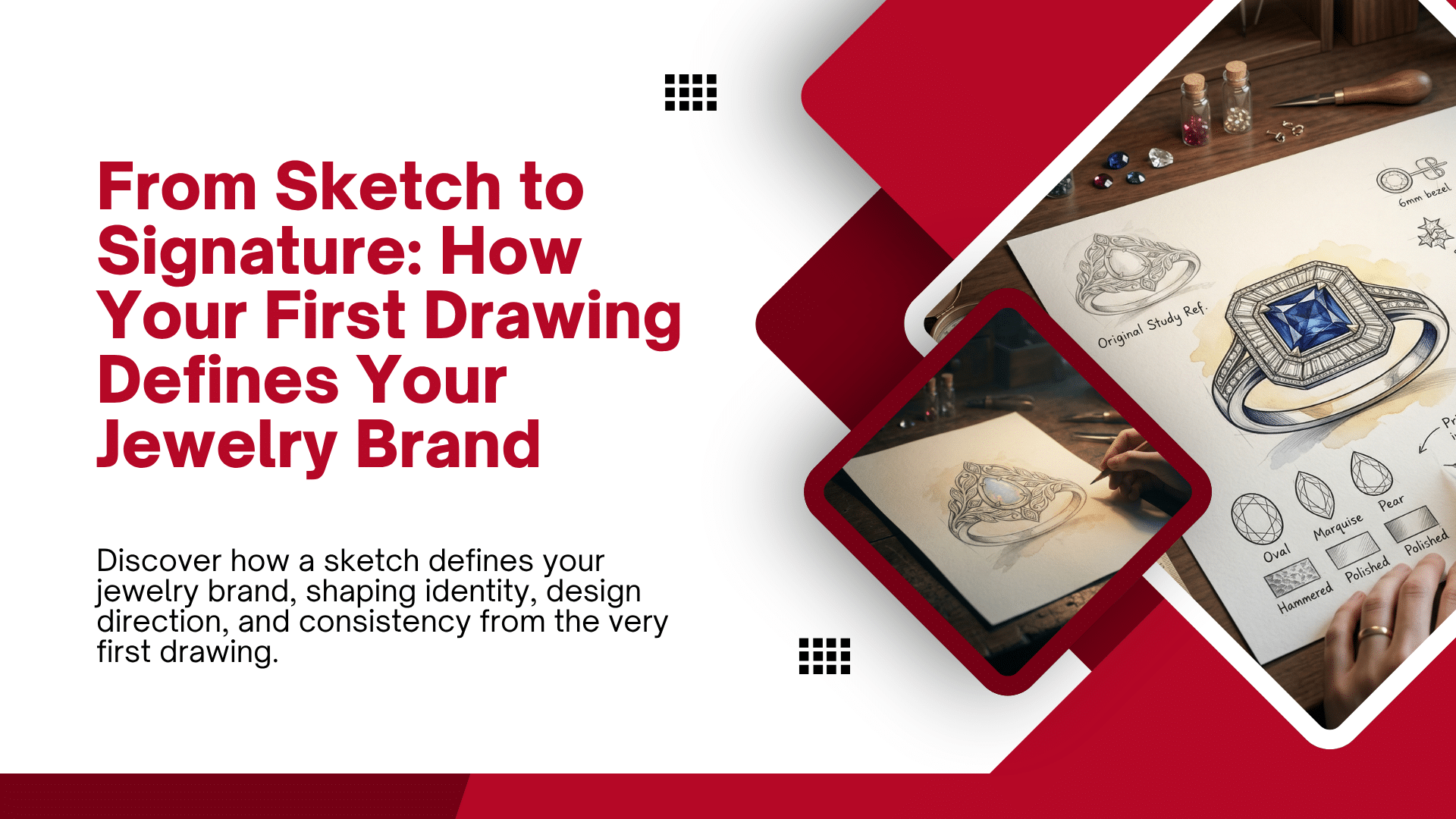
From Sketch to Signature: How Your First Drawing Defines Your Jewelry Brand
Every jewelry brand starts with a simple idea. Often, that idea appears as a sketch on paper. At this early stage, how a sketch defines your jewelry brand becomes very clear. The first drawing is not just a design. It is a vision that shows your style, values, and direction.
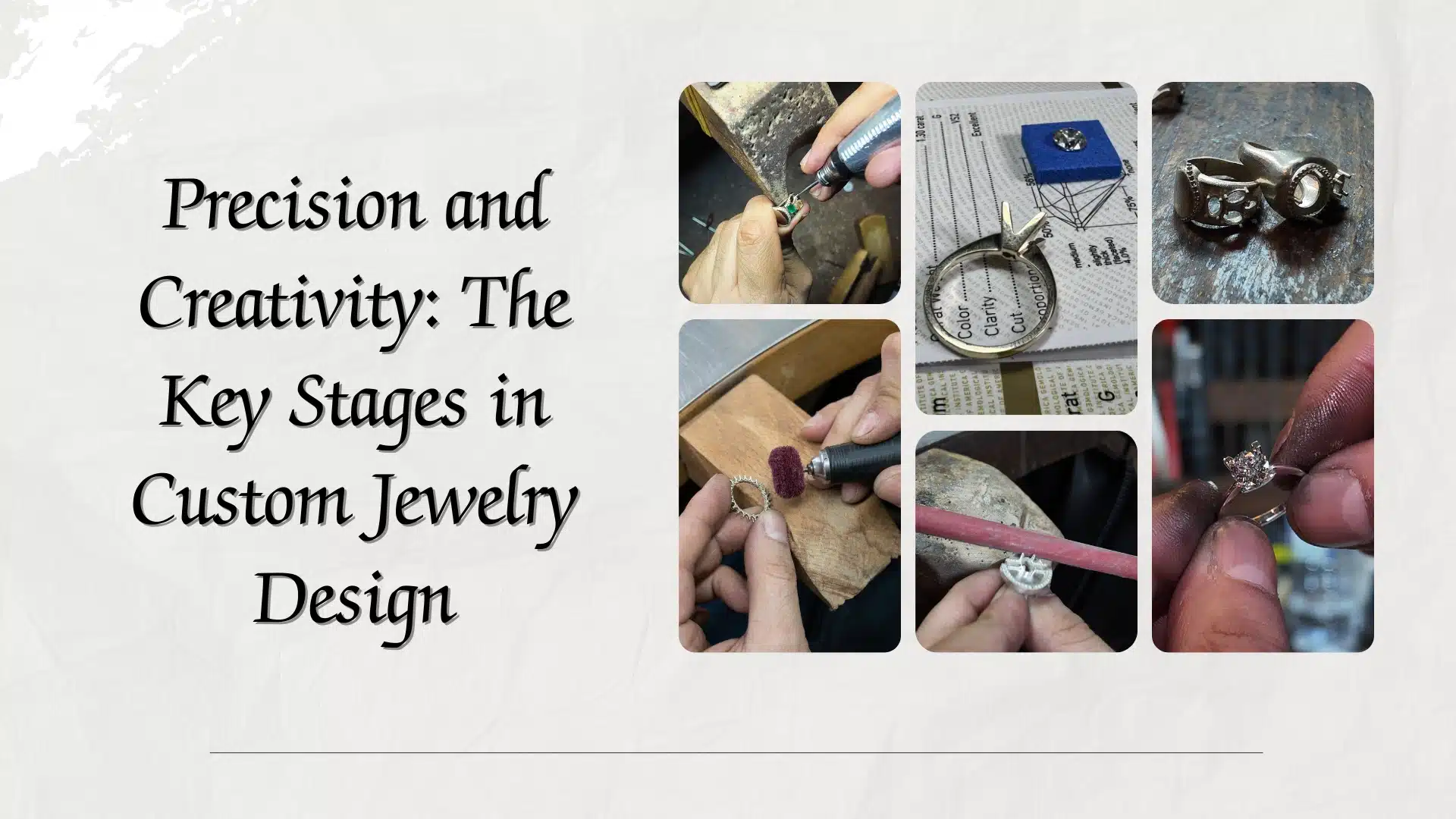
Precision and Creativity: The Key Stages in Custom Jewelry Design
Custom jewelry design blends imagination with technical precision. Designers transform ideas into wearable pieces through a series of careful steps. Understanding The Key Stages in Custom Jewelry Design helps both designers and customers appreciate the work behind every piece. Each stage builds upon the previous one, ensuring the final result reflects both creativity and quality.
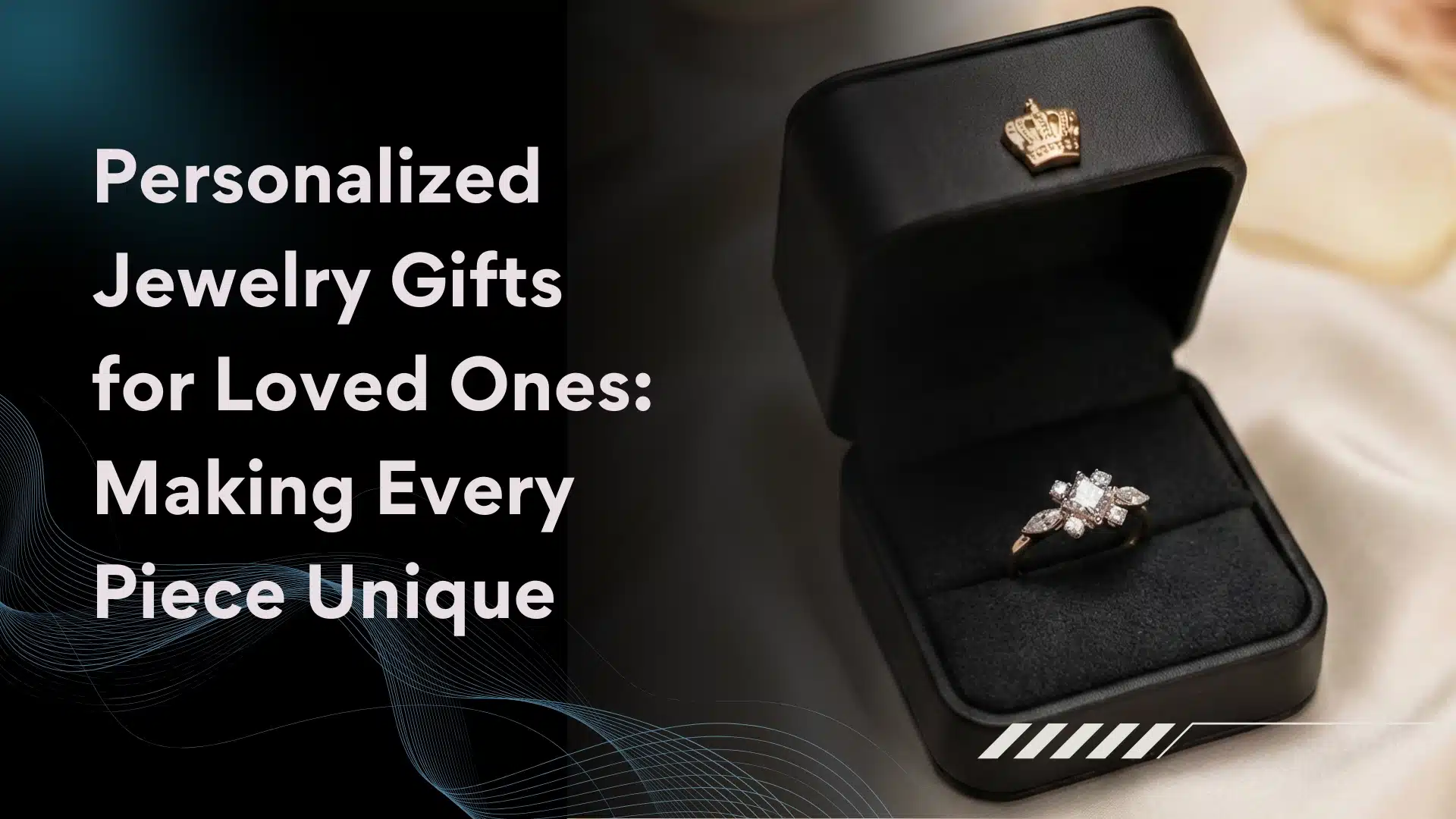
Personalized Jewelry Gifts for Loved Ones: Making Every Piece Unique
Gift giving becomes more meaningful when the item carries a personal story. Jewelry often holds emotional value because people wear it close to them every day. For this reason, Jewelry Gifts for Loved Ones remain one of the most thoughtful ways to celebrate relationships. Personalized designs transform a simple accessory into a symbol of memory, love, and connection.
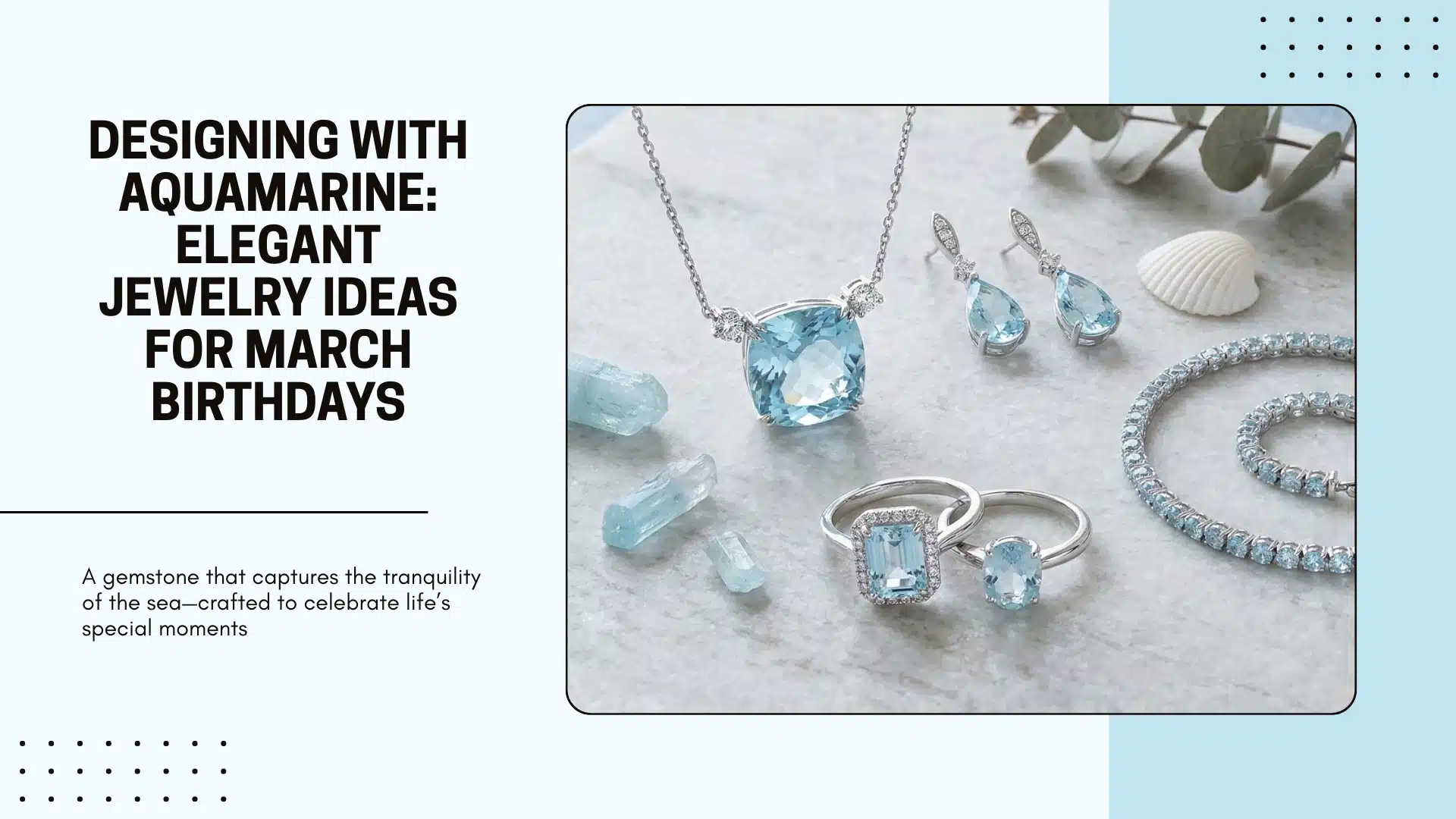
Designing with Aquamarine: Elegant Jewelry Ideas for March Birthdays
March birthdays bring a gemstone that feels calm, fresh, and timeless. Aquamarine, with its clear blue tones, reminds many people of the sea and open skies. Because of its soft color and strong clarity, it works beautifully in many jewelry styles. This is why aquamarine jewelry design remains a favorite among designers and brands. The stone adds elegance without looking heavy or overly dramatic. Instead, it creates a balanced and graceful appearance.
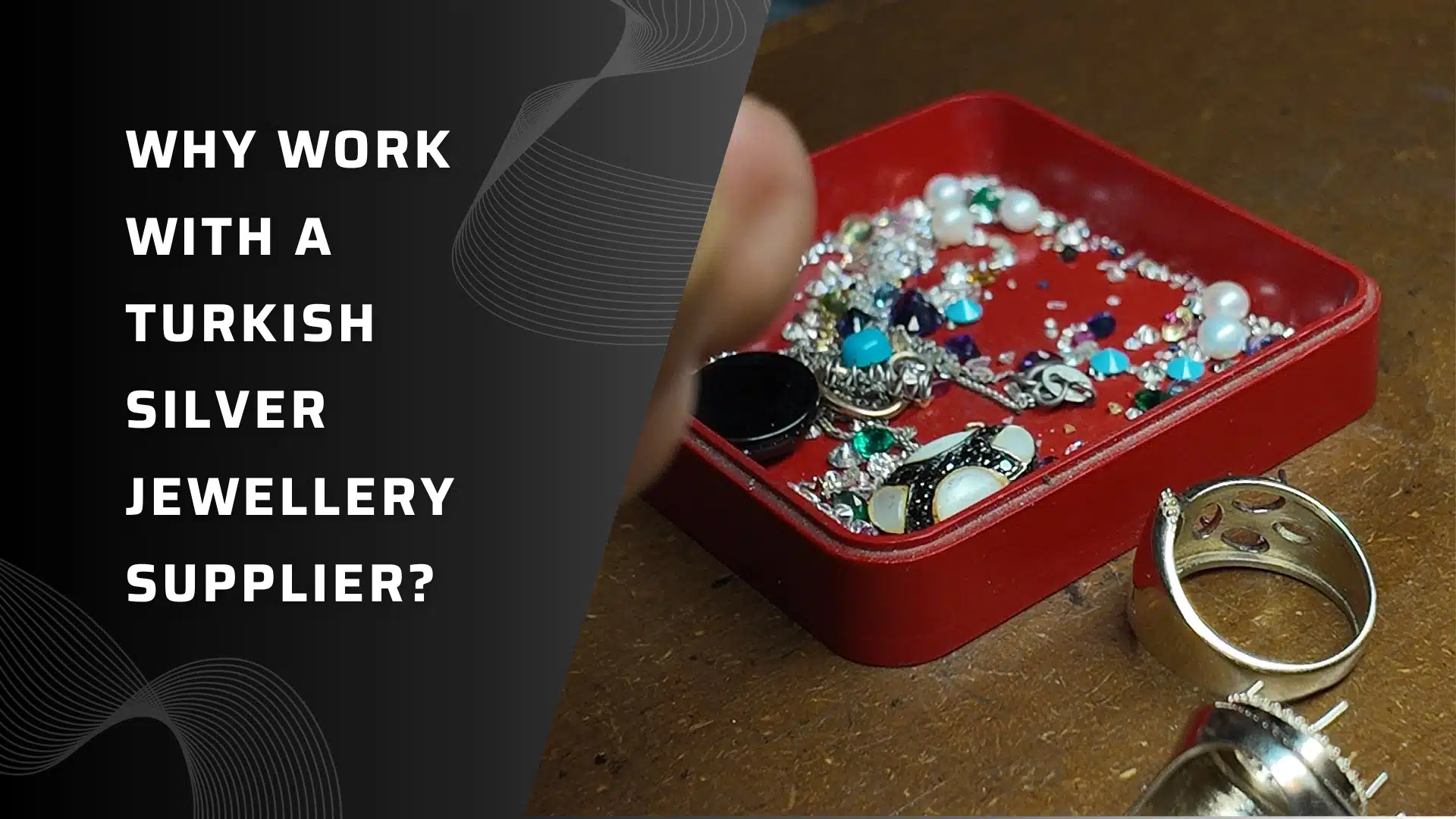
Why Work with a Turkish Silver Jewellery Supplier?
Jewelry design does not rely on form alone. Surface treatment plays a powerful role in how a piece feels, reflects light, and communicates character. Metal Texturing through stippling introduces depth and personality without changing the overall shape. This technique transforms smooth metal into a tactile surface that feels intentional and expressive