The Importance of Prototyping in Custom Jewelry Manufacturing

Jewelry Prototyping

Perfecting Elegance:

The Art of Jewelry Prototyping

When it comes to creating unique jewelry, prototyping is key. This process lets designers see their ideas in physical form. Before final production, prototyping offers a crucial check. It ensures that each piece of jewelry will look and feel just right.

Jewelry Prototyping

Jewelry prototyping is not just helpful; it’s essential. Designers use it to experiment with shapes, sizes, and materials. By making a model first, designers can test the design’s appeal and functionality. This step can save time and materials in the long run. Plus, it helps avoid costly mistakes that might occur if the design went straight to production.

Jewelry Prototyping

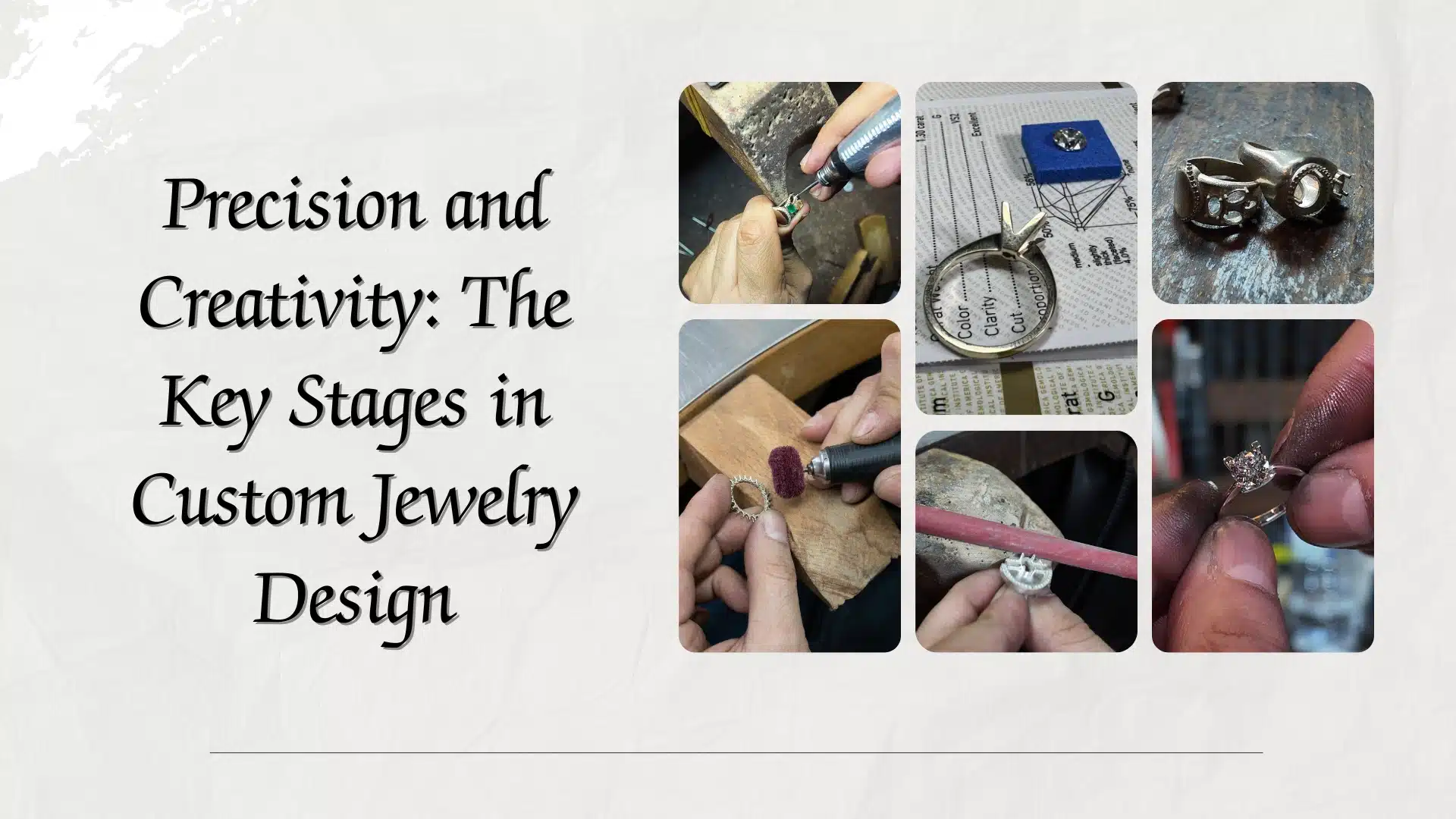
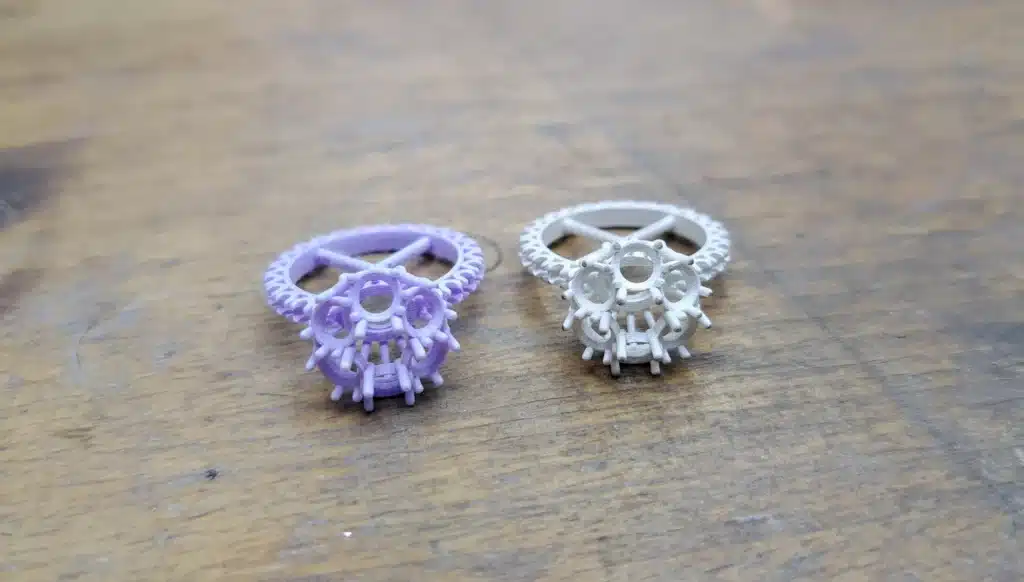
The process starts with a designer’s vision. This idea gets translated into a sketch or digital design. Next, a prototype, often made from less expensive materials, is created. This allows the designer and client to touch, feel, and see the piece. They can make sure it’s exactly what they want before finalizing the design.

Jewelry Prototyping

Advancements in technology have transformed jewellery prototyping. Tools like 3D printing are now commonly used. These technologies allow for precise and rapid production of prototypes. They provide a faster way to see and adjust the designs. With these tools, designers can easily make changes and try different versions of a piece.

Jewelry Prototyping

Prototyping also enhances the client’s experience. It allows clients to be part of the design process. They can see the prototype and give their feedback. This involvement ensures the final product will meet their expectations. It also increases their satisfaction and trust in the designer.

Jewelry Prototyping

Using prototypes is cost-effective. It’s cheaper to alter a prototype than to redo a finished piece. This efficiency saves the designer and client money. Adjustments are made before the expensive materials are used. This reduces the risk of wasting precious metals and gems.

Jewelry Prototyping

Prototyping encourages creativity. Designers can try bold new ideas without a huge risk. If a design doesn’t work as a prototype, it’s easy to go back to the drawing board. This freedom allows designers to push boundaries and innovate.

Final Thoughts

jewellery Prototyping

In conclusion, jewelry prototyping is a vital part of the custom jewelry manufacturing process. It brings designs to life and ensures they can be worn with pride. For designers and clients alike, it provides a practical, creative, and cost-effective pathway to perfecting custom jewelry pieces. This makes prototyping an invaluable step in creating beautiful, durable, and satisfactory jewelry items.

Create Your Design

On Key

Related Posts

The Psychology Behind Gemstone Colours: How Hues Shape Mood

Colour plays a central role in how we experience the world. In jewelry, colour becomes even more meaningful because it sits close to the skin and travels everywhere with us. Understanding gemstone colour psychology reveals how different hues influence emotions, shape personal energy, and connect us to deeper symbolism. Each gemstone communicates a specific feeling through its shade, brightness, and tone.

Avoiding Stockouts: Forecasting Demand for Gift Season

Wax casting remains one of the most important techniques in modern jewelry production. Even with new digital tools, this method continues to shape fine details, organic forms, and timeless textures. Understanding wax casting jewellery gives insight into how raw ideas become wearable art. From a handmade silver master to the final polished piece, every stage requires skill, patience, and creative vision.

The Art of Wax Casting: From Silver Master to Intricate Designs

Wax casting remains one of the most important techniques in modern jewelry production. Even with new digital tools, this method continues to shape fine details, organic forms, and timeless textures. Understanding wax casting jewellery gives insight into how raw ideas become wearable art. From a handmade silver master to the final polished piece, every stage requires skill, patience, and creative vision.

CAD vs Hand Sketch vs Hand Carve: When to Use Each

Modern jewelry design blends technology and tradition more than ever before. Designers now choose between digital CAD modeling, classic hand sketching, and artistic hand carving depending on the project. To understand these choices clearly, exploring cad vs hand made jewellery helps us see how each method supports different goals. From precision to emotion, each approach brings something unique to the creative process.

Microns Explained: How Thickness Changes Durability

When it comes to gold plating, thickness is everything. Many customers focus on color or shine, but durability depends on the plating layer. This is why a clear gold plating microns guide is essential for both brands and consumers. Understanding microns helps you choose the right finish for longevity, daily wear, and overall value. Micron thickness determines not only how long the coating lasts but also how well it resists scratches, sweat, and friction.

Scroll to Top