Jewelry design does not rely on form alone. Surface treatment plays a powerful role in how a piece feels, reflects light, and communicates character. Metal Texturing through stippling introduces depth and personality without changing the overall shape. This technique transforms smooth metal into a tactile surface that feels intentional and expressive.
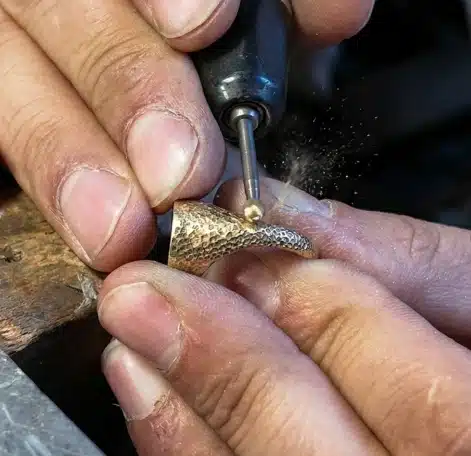
Stippling is a texturing method that creates small, repeated indentations on metal surfaces. Jewelers use punches, gravers, or specialized tools to apply controlled marks. In Metal , stippling stands out because it builds texture gradually. Each mark adds dimension, allowing the maker to control density and rhythm across the surface.
Stippling may look organic, but it demands control. Uneven spacing or pressure can weaken the design. In Metal Texturing, precision ensures balance and durability. Skilled hands apply consistent force while adjusting spacing to follow the form. This careful approach creates texture that feels intentional rather than random.
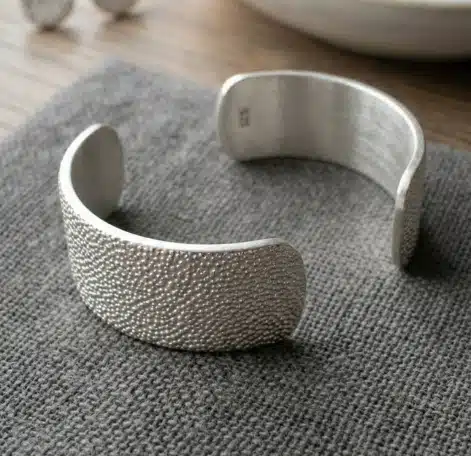
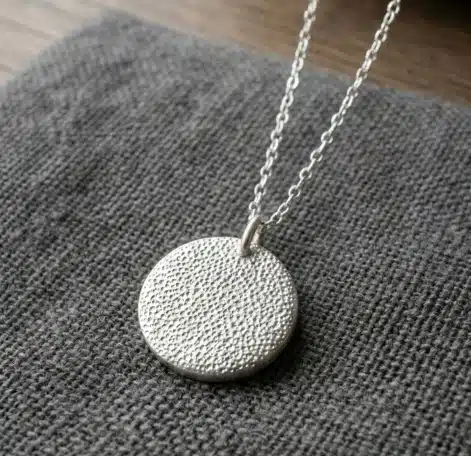
Stippled surfaces interact with light differently than polished metal. Instead of sharp reflections, they produce a soft, diffused glow. Metal Texturing through stippling reduces glare and adds visual depth. At the same time, the texture invites touch, making the jewelry feel warmer and more personal.
Designers use stippling across many jewelry types. Rings benefit from stippled backgrounds that highlight raised elements. Pendants gain contrast when texture frames smooth forms. In Metal Texturing, stippling often supports engraving, stone settings, or sculptural details. The technique enhances design without overpowering it.
Beyond aesthetics, stippling offers practical advantages. Textured surfaces hide small scratches better than high polish. In Metal Texturing, this makes stippling ideal for everyday jewelry. The finish ages gracefully, maintaining character even with regular wear. This durability appeals to modern wearers who value longevity.