Working with a jewelry manufacturer can accelerate brand growth, but preparation determines results. Many delays and misunderstandings come from missing information rather than poor execution. Understanding how to prepare for jewelry production helps brands move confidently from idea to finished product. Strong preparation saves time, controls cost, and builds trust with manufacturing partners.
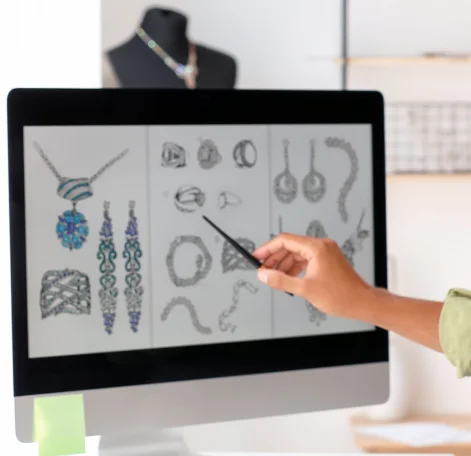
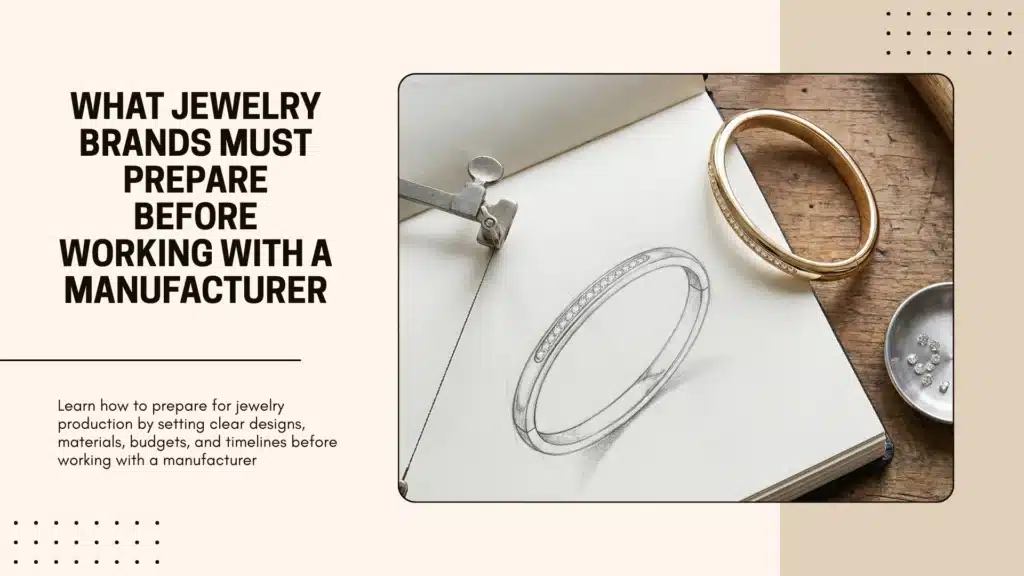
Before contacting a manufacturer, brands must define design direction. This includes style, target customer, and overall aesthetic. When brands understand how to prepare for jewelry production, they present sketches, references, or mood boards that explain intent clearly. A strong visual direction reduces back-and-forth and helps manufacturers suggest suitable techniques and materials.
Creative ideas need technical structure. Brands should prepare basic specifications such as size, weight range, stone type, and finish preference. Knowing how to prepare for jewelry production means thinking beyond appearance. Technical clarity helps manufacturers evaluate feasibility and suggest improvements that protect durability and comfort.
Material choice affects pricing, lead time, and performance. Brands must decide whether they prefer silver, gold, or vermeil, along with stone quality and plating thickness if applicable. When brands understand how to prepare for jewelry production, they communicate quality standards clearly. This avoids mismatched expectations and ensures consistency across samples and bulk orders.
Manufacturers work within defined parameters. Brands should prepare budget ranges, expected quantities, and delivery timelines. Knowing how to prepare for jewelry production includes understanding minimum order quantities and production lead times. Clear planning allows manufacturers to propose realistic solutions rather than assumptions.
Sampling plays a critical role in custom jewelry. Brands should plan for at least one sample round and possible revisions. Understanding how to prepare for jewelry production means allowing time and budget for testing comfort, weight, and finish. Samples reduce risk and build confidence before bulk production begins.
Strong communication supports smooth collaboration. Brands should prepare written approvals, reference files, and change tracking. Knowing how to prepare for jewelry production also means thinking long term. Brands that plan for reorders, scaling, and consistency build stronger relationships with manufacturers.