Introduction
AI generated jewelry design
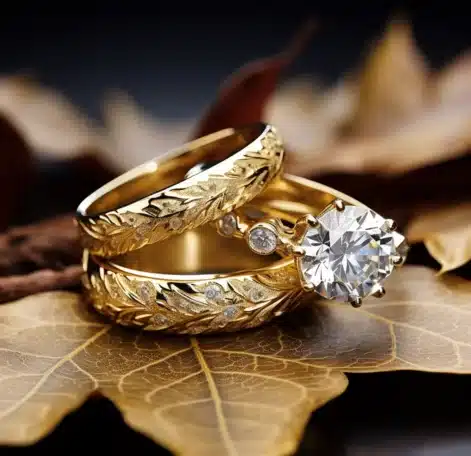
The integration of Artificial Intelligence (AI) in various industries has revolutionized traditional practices. The field of jewelry design is no exception. AI-generated jewelry design is emerging as a groundbreaking tool that not only enhances creativity, but also streamlines the manufacturing process, allowing designers to break new ground in customization and intricate detailing. This blog post explores the pivotal role of AI in custom jewelry design.
AI generated jewelry design
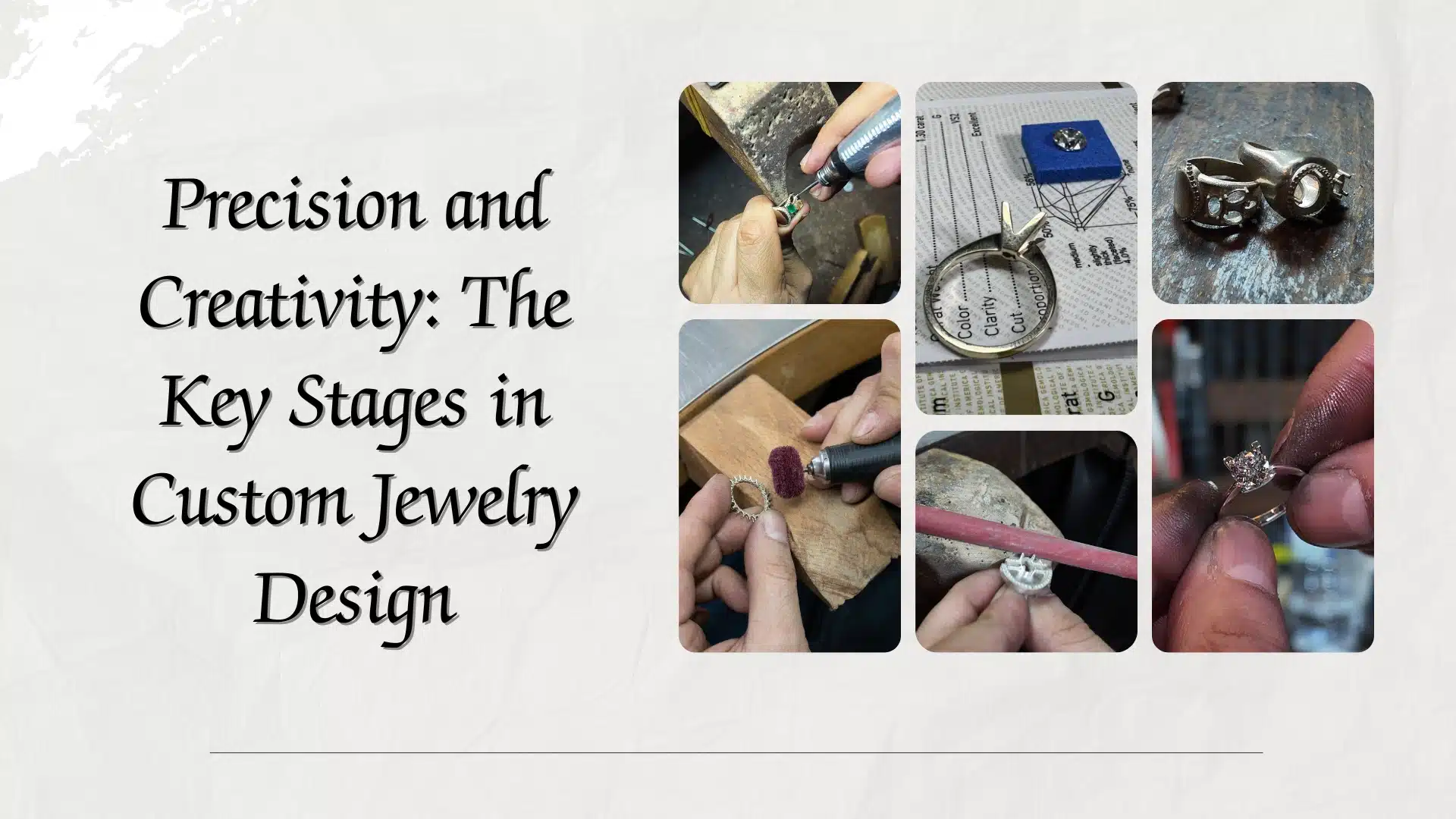
AI-generated jewelry design fundamentally transforms how designers approach their craft. Traditionally, creating custom jewelry involved extensive manual sketching and modeling, which could be time-consuming and limited by human precision. However, with AI, designers can now utilize advanced software to generate intricate designs with precision that far exceeds human capabilities. Additionally, AI allows for rapid prototyping, making it possible to experiment with complex patterns and structures without the associated high costs and time constraints.
AI generated jewelry design
One of the most exciting aspects of AI in jewelry design is its ability to expand the boundaries of creativity. AI-generated jewelry design software can suggest variations and improvements based on current trends and historical data, giving designers new perspectives on traditional designs. This not only speeds up the creative process. But also introduces a level of innovation that can lead to truly unique pieces that might not have been conceived otherwise.
AI generated jewelry design
AI tools are also transforming the production side of custom jewelry. These advanced systems can automate much of the fabrication process, from casting to setting, ensuring precision and reducing the likelihood of errors. This automation not only speeds up production. But also lowers the cost, making custom-designed jewelry more accessible to a broader audience. Furthermore, AI can optimize the use of materials, reducing waste and increasing efficiency, which is increasingly important in a world where sustainability is a growing concern.
AI generated jewelry design
AI-generated jewelry design also makes it feasible to offer personalized jewelry on a larger scale. By using AI algorithms, designers can quickly customize designs to individual preferences without starting from scratch for each client. This capability enables jewelers to provide personalized service to more customers, enhancing customer satisfaction and loyalty.
AI generated jewelry design
While the potential of AI in jewelry design is immense, there are challenges to navigate. One major concern is the fear that AI may diminish the human touch that is so valued in artisanal crafts. However, rather than replacing human creativity, AI should be viewed as a tool that augments and enhances the designer’s capabilities. Additionally, as with any technology, there is a learning curve associated with using AI effectively, and ongoing training and adaptation are necessary.
Conclusion
Looking to the Future
As technology continues to evolve, the role of AI in jewelry design is expected to grow even more significant. With advancements in AI capabilities, we can anticipate more sophisticated design tools that could further enhance customization and creativity. The future of AI-generated jewelry design looks promising, with potential benefits that include increased efficiency, creativity, and personalization, reshaping the landscape of custom jewelry design.
In conclusion, AI-generated jewelry design is not just a technological advancement; it’s a transformative force in the jewelry industry. It empowers designers, enhances creativity, streamlines production, and offers unprecedented personalization. As we move forward, embracing this technology will be key to staying competitive and innovative in the ever-evolving world of jewelry design.
Create Your Design
Related Posts

The Psychology Behind Gemstone Colours: How Hues Shape Mood
Colour plays a central role in how we experience the world. In jewelry, colour becomes even more meaningful because it sits close to the skin and travels everywhere with us. Understanding gemstone colour psychology reveals how different hues influence emotions, shape personal energy, and connect us to deeper symbolism. Each gemstone communicates a specific feeling through its shade, brightness, and tone.

Avoiding Stockouts: Forecasting Demand for Gift Season
Wax casting remains one of the most important techniques in modern jewelry production. Even with new digital tools, this method continues to shape fine details, organic forms, and timeless textures. Understanding wax casting jewellery gives insight into how raw ideas become wearable art. From a handmade silver master to the final polished piece, every stage requires skill, patience, and creative vision.

The Art of Wax Casting: From Silver Master to Intricate Designs
Wax casting remains one of the most important techniques in modern jewelry production. Even with new digital tools, this method continues to shape fine details, organic forms, and timeless textures. Understanding wax casting jewellery gives insight into how raw ideas become wearable art. From a handmade silver master to the final polished piece, every stage requires skill, patience, and creative vision.

CAD vs Hand Sketch vs Hand Carve: When to Use Each
Modern jewelry design blends technology and tradition more than ever before. Designers now choose between digital CAD modeling, classic hand sketching, and artistic hand carving depending on the project. To understand these choices clearly, exploring cad vs hand made jewellery helps us see how each method supports different goals. From precision to emotion, each approach brings something unique to the creative process.

Microns Explained: How Thickness Changes Durability
When it comes to gold plating, thickness is everything. Many customers focus on color or shine, but durability depends on the plating layer. This is why a clear gold plating microns guide is essential for both brands and consumers. Understanding microns helps you choose the right finish for longevity, daily wear, and overall value. Micron thickness determines not only how long the coating lasts but also how well it resists scratches, sweat, and friction.