Every year, color trends influence fashion, interiors, and jewelry. Designers watch these shifts closely because color speaks before form. As we look ahead, 2026’s Color of the Year signals a move toward depth, calm, and expressive balance. Jewelry designers now explore gemstones that reflect this mood while remaining wearable and timeless.
Color trends often respond to social and emotional needs. 2026’s Color of the Year leans toward grounded yet expressive tones—colors that feel calming but confident. Designers see demand for hues that sit between bold and subtle. This balance allows jewelry to feel modern without becoming overpowering, which suits both daily wear and statement pieces.
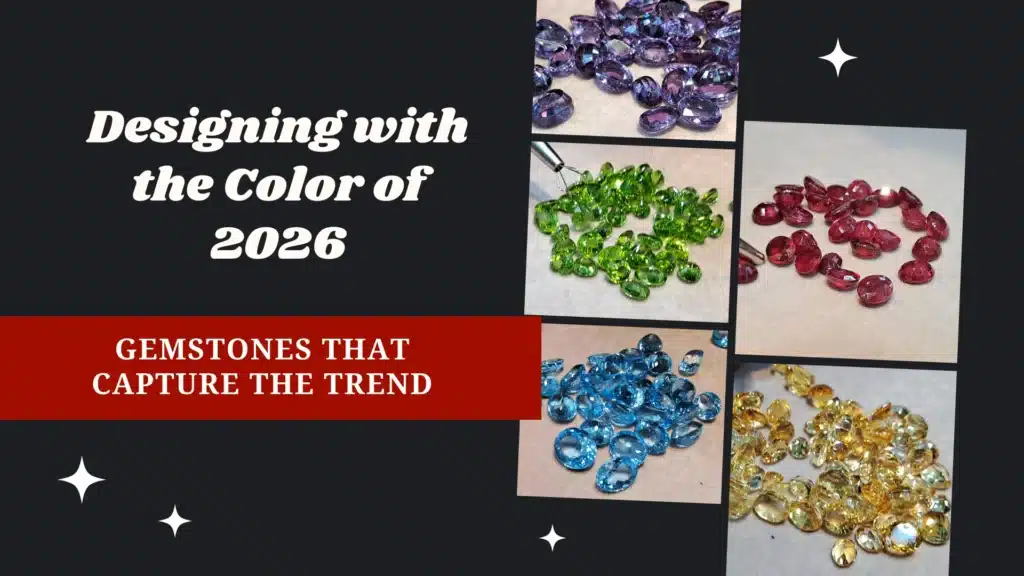
Several gemstones align naturally with 2026’s Color of the Year. Soft blues, muted greens, warm violets, and gentle earth tones appear frequently. Stones like sapphire in lighter shades, aquamarine, tourmaline, spinel, and certain quartz varieties capture this direction well. These stones offer color depth without harsh contrast, making them versatile for modern collections.
Color-led design requires intention. When working with 2026’s Color of the Year, designers allow the gemstone to guide proportions and settings. Clean lines and simple forms help color remain the focus. Instead of complex structures, designers choose balanced silhouettes that support the stone’s tone. This approach keeps the design fresh and wearable.
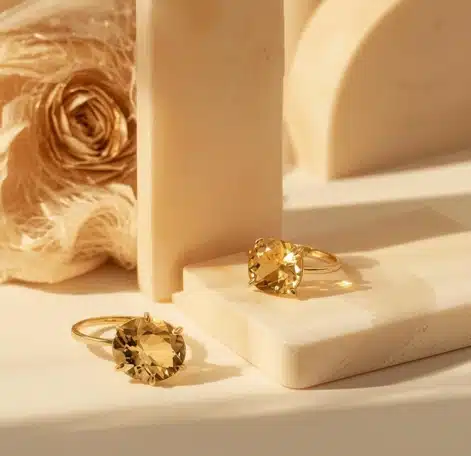
Metal choice shapes how color appears. Yellow gold adds warmth and richness. White gold and silver enhance clarity and calm. Rose gold introduces softness and emotion. When designing around 2026’s Color of the Year, designers select metals that support the gemstone rather than compete with it. This harmony creates visual comfort and lasting appeal.
Designers often face a challenge: how to follow trends without limiting longevity. 2026’s Color of the Year works well because it adapts easily. Subtle color placement, refined stone sizes, and classic settings help trend-based designs age gracefully. Jewelry that respects balance remains relevant long after the trend shifts.