The Art of Lost Wax Casting
Lost wax casting, also known as investment casting, is a method used to create precise and intricate jewelry designs. The technique involves creating a wax model of the item, which is then encased in a mold. The wax is melted away, leaving a cavity that is filled with molten metal to form the jewelry piece. This method is ideal for producing high-quality and detailed pieces in metals like gold, silver, and platinum.
Understanding Lost Wax Casting in Jewelry Manufacturing
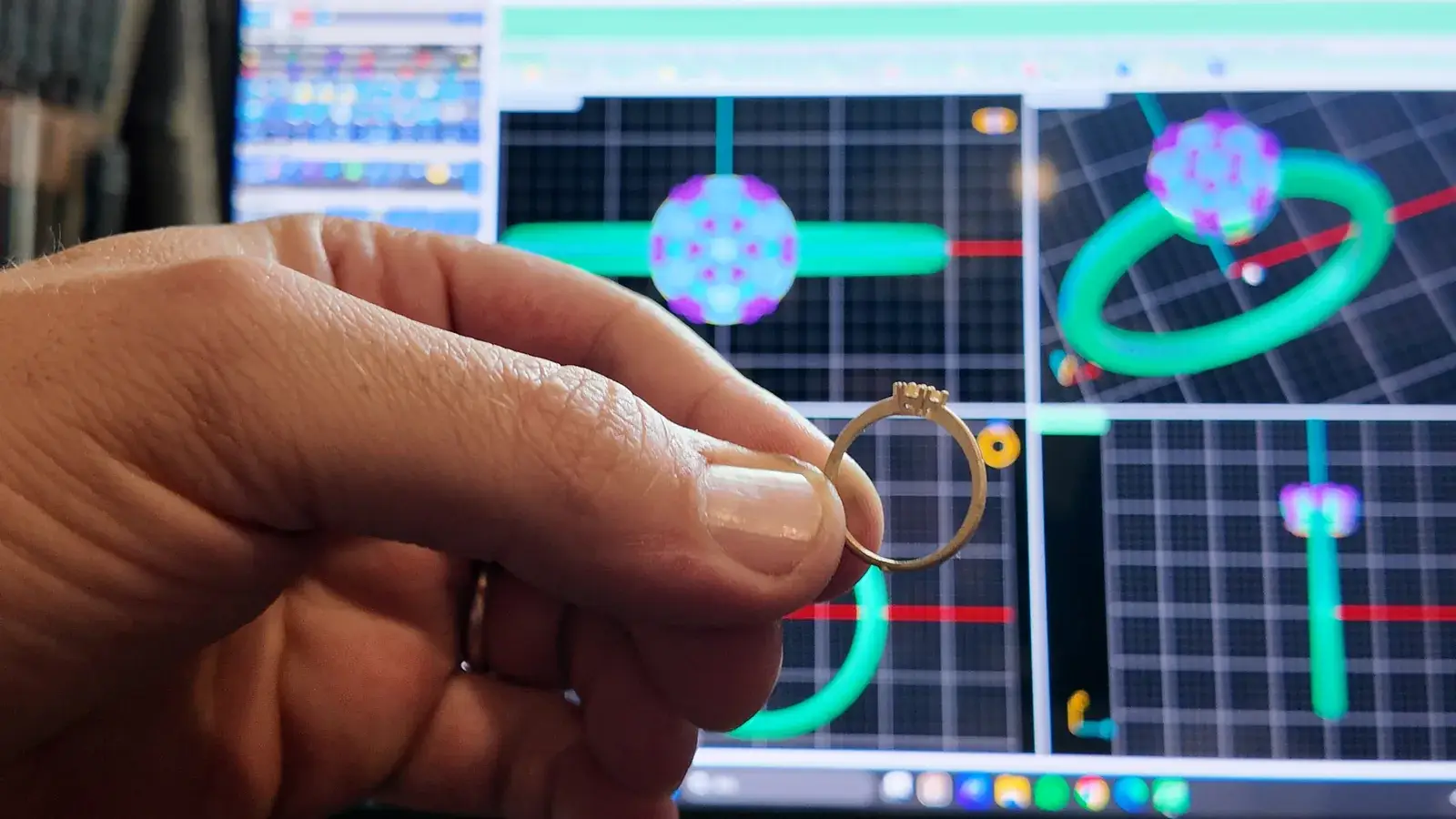
The first step in lost wax casting is designing the jewelry piece. Jewelers or designers sketch their ideas, which are then sculpted or molded in wax. The wax model can be carved by hand or printed using a 3D printer, allowing for precise details and complex designs that would be difficult or impossible to achieve through traditional metalworking techniques.
Understanding Lost Wax Casting in Jewelry Manufacturing
Once the wax model is ready, it’s encased in a heat-resistant investment material to create a mold. This investment is typically made of plaster or a similar substance, which needs to be strong enough to withstand the high temperatures of molten metal. The wax model and investment are placed in a flask, leaving the wax encased in the investment material.
Understanding Lost Wax Casting in Jewelry Manufacturing
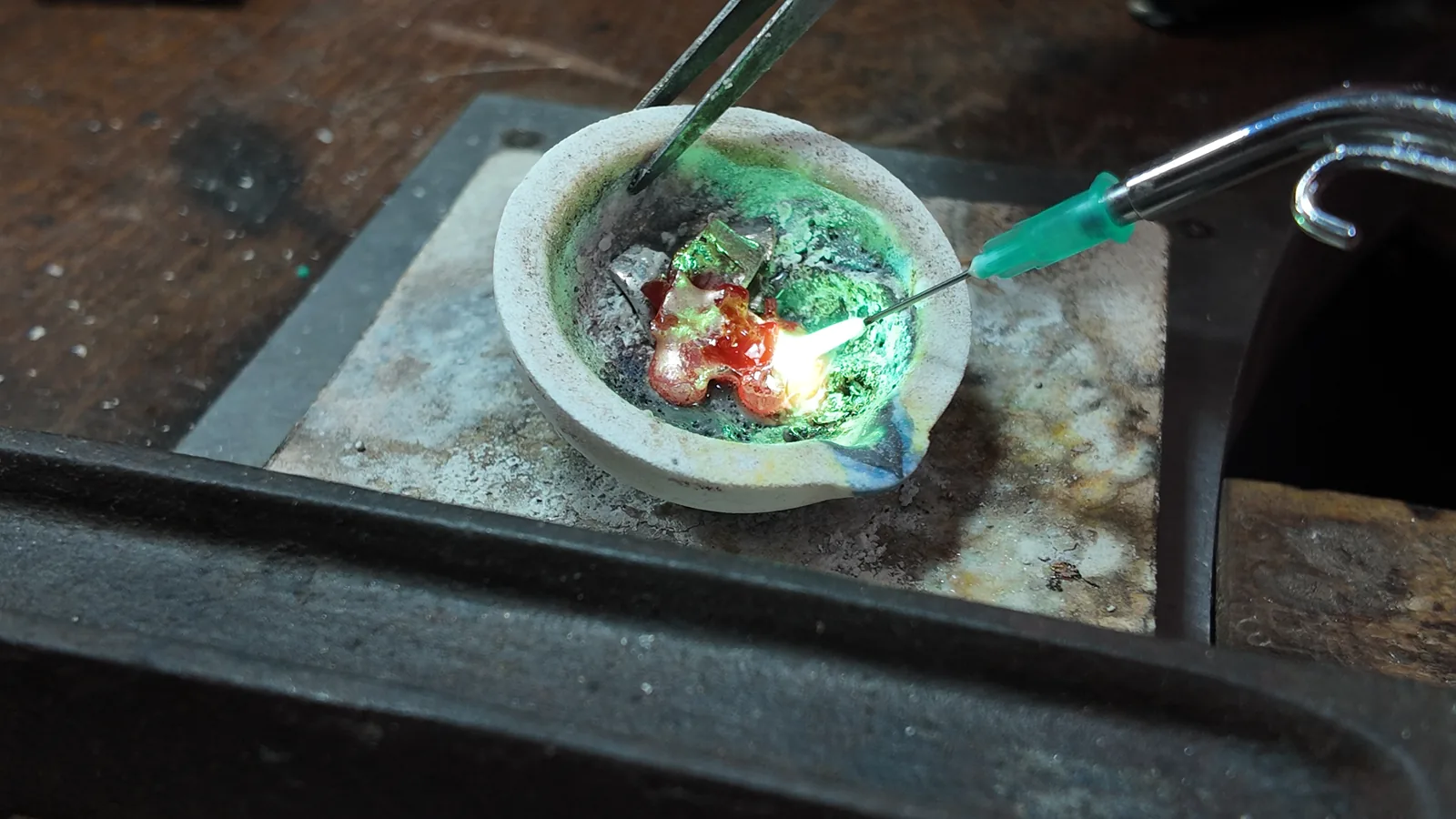
The next step involves the removal of the wax. This is done by placing the flask in a kiln, where it is heated to a high temperature. The heat causes the wax to melt and flow out, leaving behind a hollow mold. This is why the process is referred to as “lost wax” casting—the original wax model is lost in the process.
Understanding Lost Wax Casting in Jewelry Manufacturing
With the wax removed, molten metal is poured into the cavity left by the wax. This can be done using gravity or with the assistance of centrifugal or vacuum casting machines to ensure that the metal fills every detail of the mold. Once the metal cools and solidifies, the investment material is broken away, revealing the newly formed jewelry piece.
Understanding Lost Wax Casting in Jewelry Manufacturing
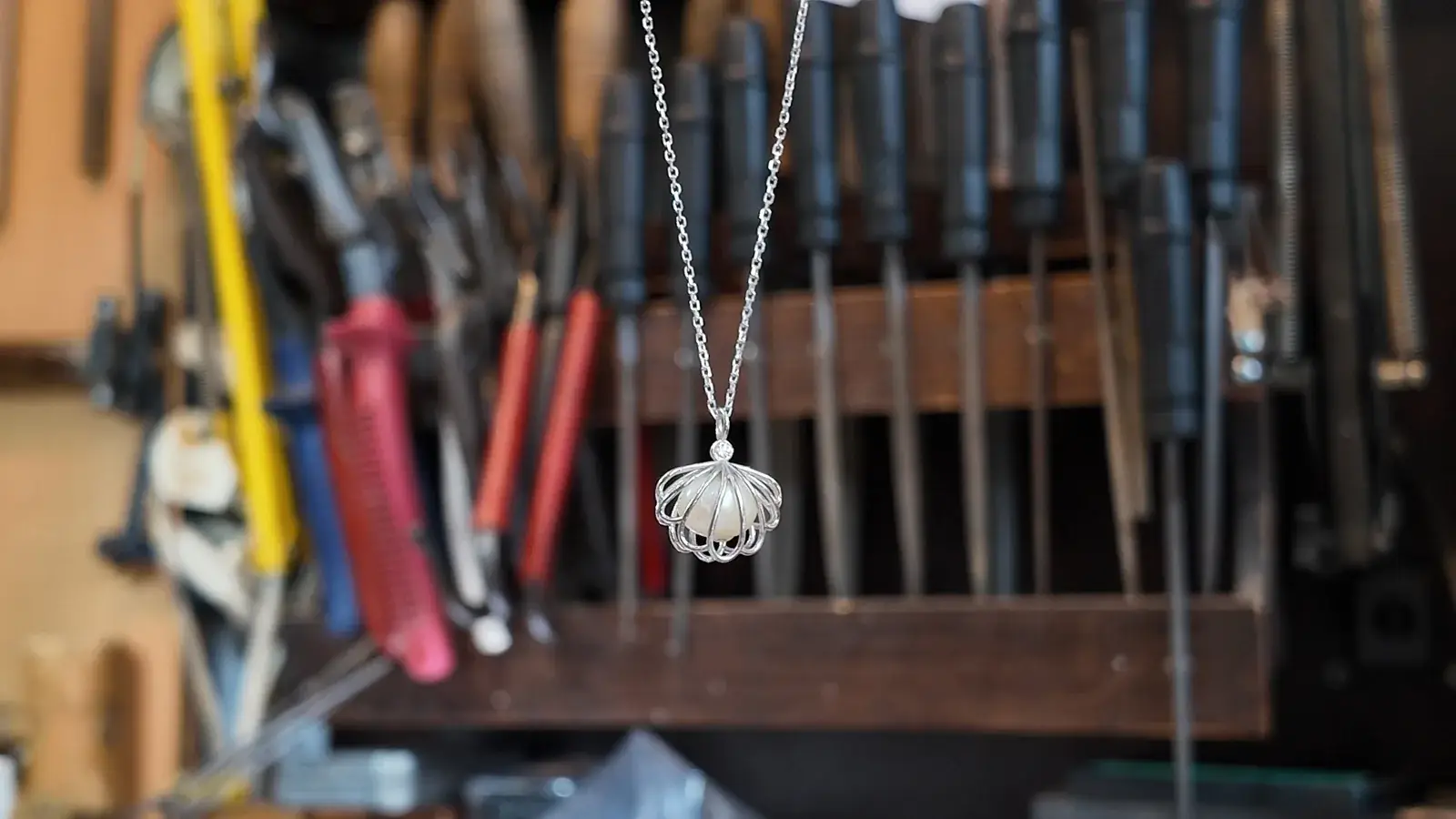
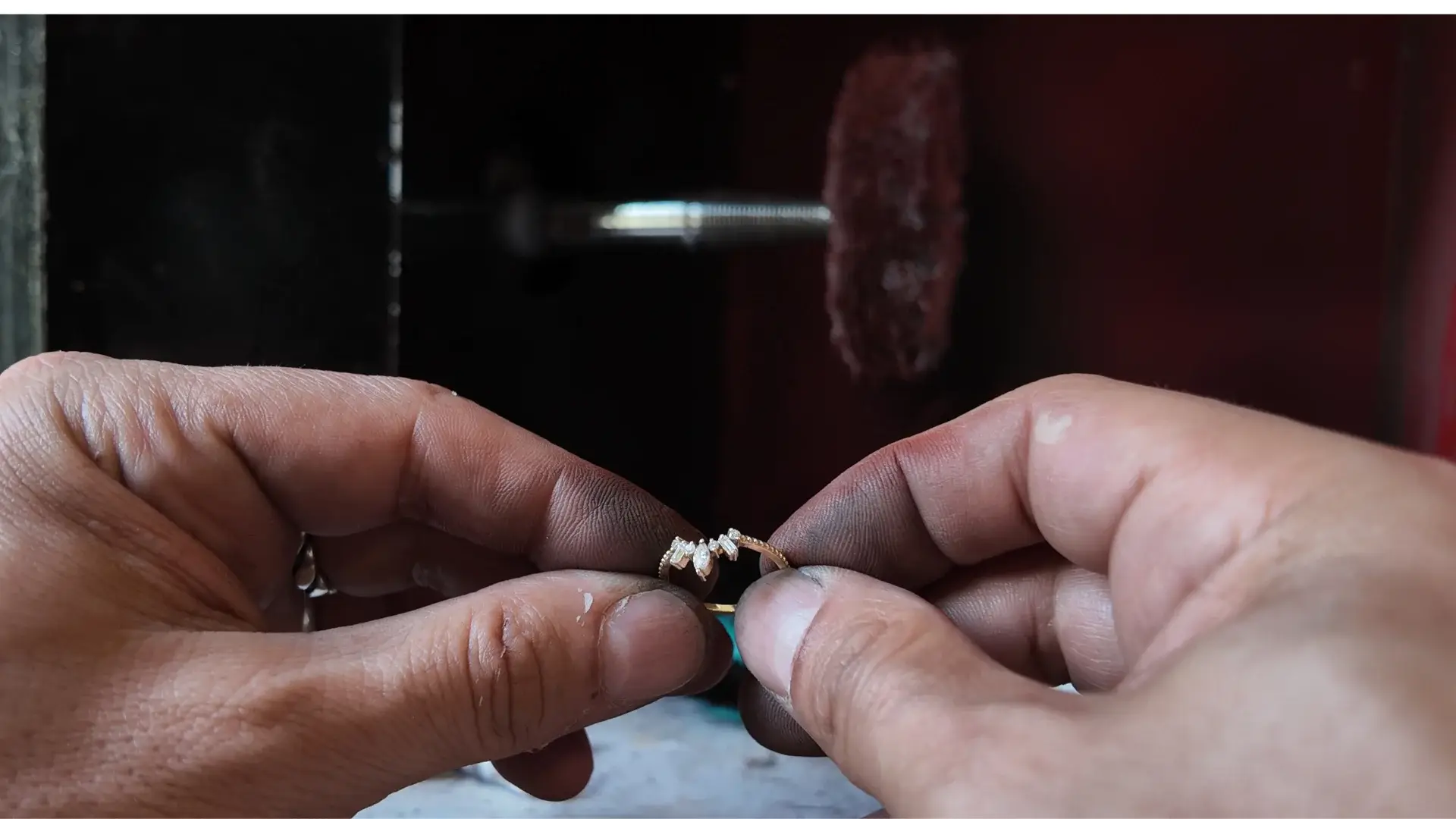
The casting is then cleaned and polished. Any additional processes such as setting stones, engraving, or further polishing are carried out to finish the piece. The result is a beautiful, detailed piece of jewelry that is exactly as the designer envisioned.
The Impact of Lost Wax Casting on Jewelry Manufacturing
Understanding Lost Wax Casting in Jewelry Manufacturing
Lost wax casting is a fascinating and ancient technique used in jewelry manufacturing that allows for intricate details and complex designs. This process has been refined over the centuries and remains a cornerstone of the jewelry industry today. In this blog, we’ll explore the steps involved in lost wax casting and how it impacts the quality and creativity of jewelry pieces.
Create Your Design
Related Posts

How to Match Chain Thickness with Pendant Size
A pendant may be the main focus of a necklace, but the chain plays an equally important role. The wrong chain can make a pendant look unbalanced, uncomfortable, or less valuable. That is why choosing the best chain for pendants starts with understanding proportion.

Why Jewelry Brands Should Avoid Nickel in Their Collections
Jewelry should look beautiful, but it should also feel safe and comfortable. For this reason, many modern brands now choose to avoid nickel in jewelry. Nickel can cause skin irritation for many people, especially when it touches the skin for long periods.

How Much Does It Really Cost to Start a Jewelry Line?
Starting a jewelry brand is exciting, but it also requires clear planning. Many new founders ask one important question: what is the real cost to start a jewelry line? The answer depends on your design style, materials, production method, and launch goals.

Creating the Blueprint of Craftsmanship
Every high-quality jewellery piece starts with a clear plan. Before metal is cast, stones are set, or surfaces are polished, the design needs a strong foundation. This is where Creating the Blueprint of Craftsmanship becomes essential.

Oxidized Silver Jewellery: A Strong Finish for Men’s Collections
Men’s jewellery often needs a strong visual identity. It should feel bold, refined, and easy to wear. This is why many brands choose oxidized silver for rings, pendants, bracelets, and chains. An experienced oxidized silver jewellery manufacturer can help brands create pieces with depth, contrast, and character.