Introduction
Understanding Gemstone Cuts and Their Impact on Design
When creating stunning jewelry, the cut of a gemstone plays a vital role in the overall design. Gemstone cuts not only influence the appearance of a piece but also affect the way light interacts with the stone, enhancing its beauty. Whether you’re new to jewelry design or an experienced professional, understanding gemstone cuts is essential in creating pieces that truly captivate.
Gemstone Cuts
Gemstone cuts refer to the way a gem is shaped and faceted to maximize its brilliance and beauty. The right cut can elevate a stone, making it sparkle and shine, while a poor cut can diminish its appeal. Designers must consider how gemstone cuts will impact the look and feel of the final piece, as each cut has unique characteristics that enhance a stone in different ways.
Gemstone Cuts
There are several popular gemstone cuts, each offering its own distinct style and appeal. Here’s a closer look at some of the most common cuts and how they impact design. Round Cut, Princess Cut, Oval Cut, Emerald Cut, Cushion Cut.
Gemstone Cuts
Gemstone cuts have a direct effect on how a piece of jewelry looks and feels. The cut determines how light interacts with the stone, influencing its brilliance, fire, and overall beauty. For designers, choosing the right cut is crucial for achieving the desired aesthetic. A well-cut gemstone can make a simple design stand out, while a poorly cut stone can detract from even the most elaborate piece.
Additionally, certain gemstone cuts work better with specific types of jewelry. For example, round cuts are ideal for rings, where brilliance is important, while emerald cuts are often preferred in necklaces for their classic elegance. Understanding how gemstone cuts complement different settings helps designers create pieces that are both visually appealing and functional.
Gemstone Cuts
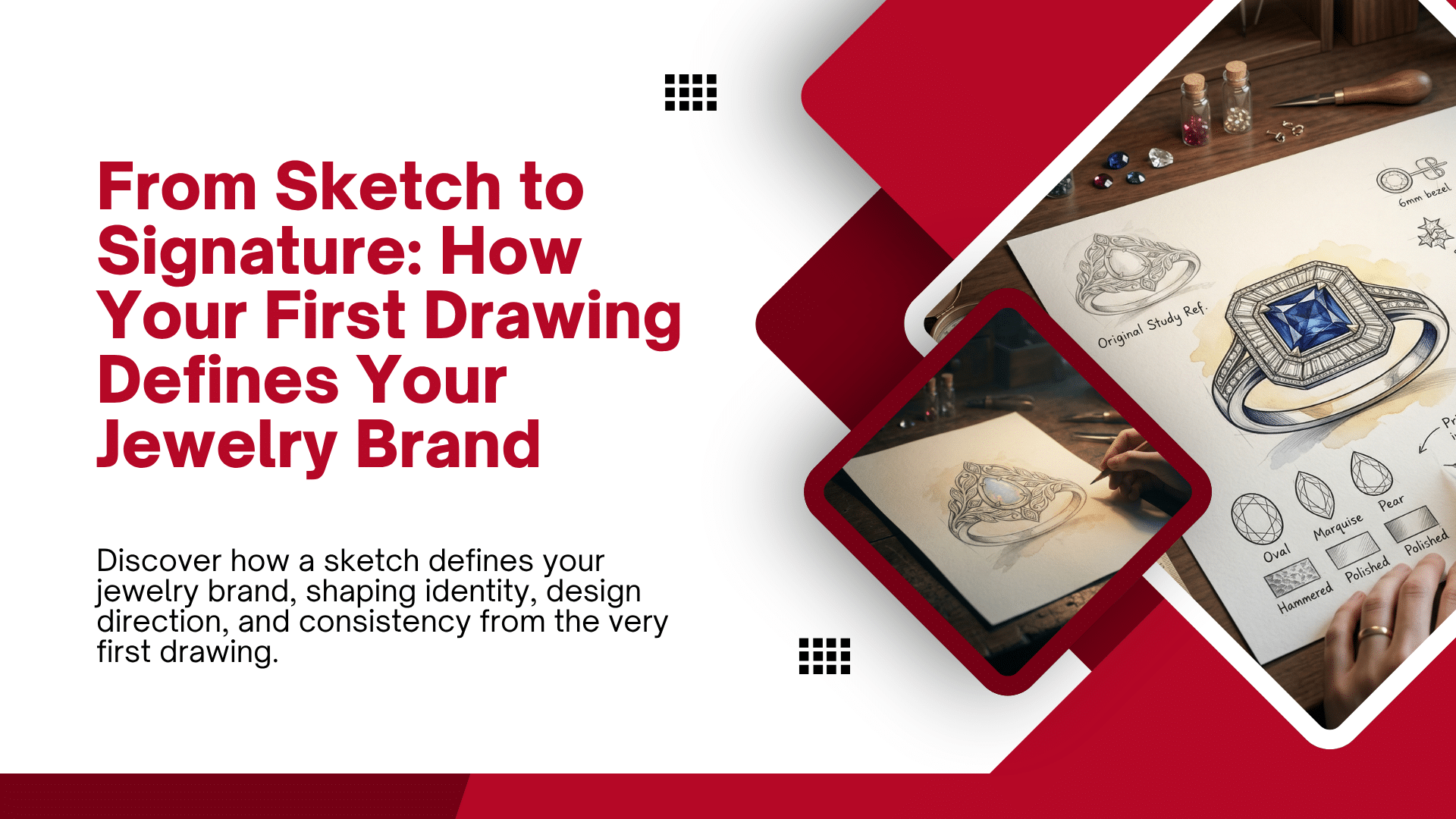
In addition to the more traditional gemstone cuts, there are plenty of opportunities to explore unique or lesser-known cuts that can give your jewelry a distinctive edge. For example, the pear cut, with its teardrop shape, adds a sense of movement and flow to earrings and pendants. The marquise cut, with its elongated form and pointed ends, creates the illusion of a larger stone, adding drama and sophistication to rings. By experimenting with these less common cuts, you can create pieces that stand out, offering customers a fresh and personalized take on classic designs.
Conclusion
Bringing Creative Visions to Life
Choosing the right gemstone cuts is essential to creating beautiful and timeless jewelry. Whether you prefer the brilliance of a round cut or the sophistication of an emerald cut, each cut brings its own unique charm to a piece. By understanding the impact of gemstone cuts on design, you can make more informed decisions when creating your next jewelry collection.
Ultimately, the right cut can transform a gemstone, enhancing its natural beauty and making it the centerpiece of any design.
Create Your Design
Related Posts

The Psychology Behind Gemstone Colours: How Hues Shape Mood
Colour plays a central role in how we experience the world. In jewelry, colour becomes even more meaningful because it sits close to the skin and travels everywhere with us. Understanding gemstone colour psychology reveals how different hues influence emotions, shape personal energy, and connect us to deeper symbolism. Each gemstone communicates a specific feeling through its shade, brightness, and tone.

Avoiding Stockouts: Forecasting Demand for Gift Season
Wax casting remains one of the most important techniques in modern jewelry production. Even with new digital tools, this method continues to shape fine details, organic forms, and timeless textures. Understanding wax casting jewellery gives insight into how raw ideas become wearable art. From a handmade silver master to the final polished piece, every stage requires skill, patience, and creative vision.

The Art of Wax Casting: From Silver Master to Intricate Designs
Wax casting remains one of the most important techniques in modern jewelry production. Even with new digital tools, this method continues to shape fine details, organic forms, and timeless textures. Understanding wax casting jewellery gives insight into how raw ideas become wearable art. From a handmade silver master to the final polished piece, every stage requires skill, patience, and creative vision.

CAD vs Hand Sketch vs Hand Carve: When to Use Each
Modern jewelry design blends technology and tradition more than ever before. Designers now choose between digital CAD modeling, classic hand sketching, and artistic hand carving depending on the project. To understand these choices clearly, exploring cad vs hand made jewellery helps us see how each method supports different goals. From precision to emotion, each approach brings something unique to the creative process.

Microns Explained: How Thickness Changes Durability
When it comes to gold plating, thickness is everything. Many customers focus on color or shine, but durability depends on the plating layer. This is why a clear gold plating microns guide is essential for both brands and consumers. Understanding microns helps you choose the right finish for longevity, daily wear, and overall value. Micron thickness determines not only how long the coating lasts but also how well it resists scratches, sweat, and friction.