
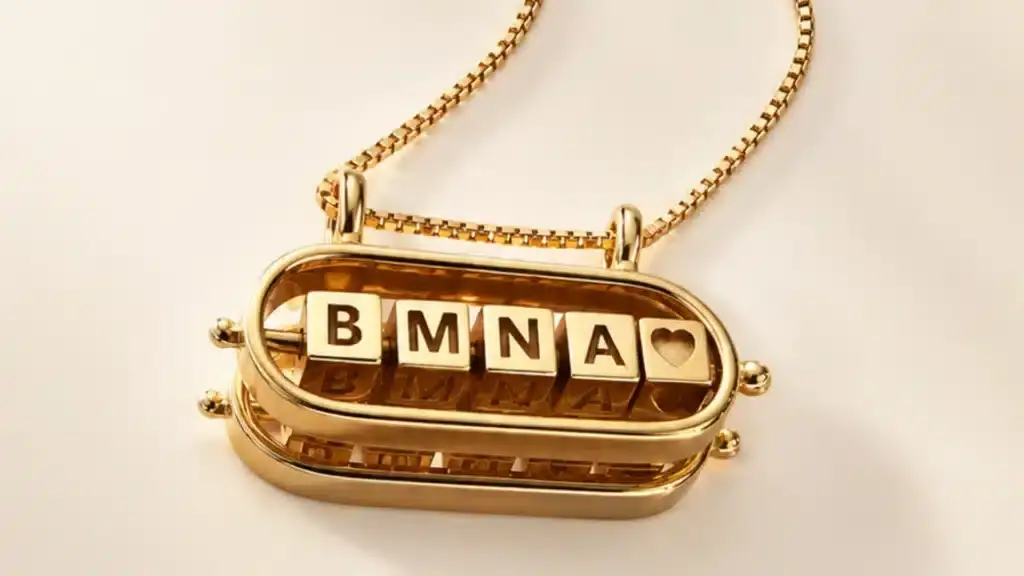
Every jewelry brand needs a clear product strategy. Some brands build their identity around timeless pieces, while others focus on fast-moving trends. Both paths can work, but they serve different goals. This is why evergreen jewelry collections matter for brands that want steady growth.
Evergreen designs stay relevant across seasons. They often include classic hoops, simple bands, fine pendants, birthstone pieces, signet rings, and a delicate chain necklace. Trend-driven designs respond to what customers want right now. They may include bold shapes, bright colors, playful charms, or a chunky chain style. A clean chain choice can make even a simple pendant feel more complete.
The right choice depends on your audience, budget, production speed, and brand voice. Therefore, brands should not follow trends blindly. Instead, they should decide how each product supports the full collection plan.
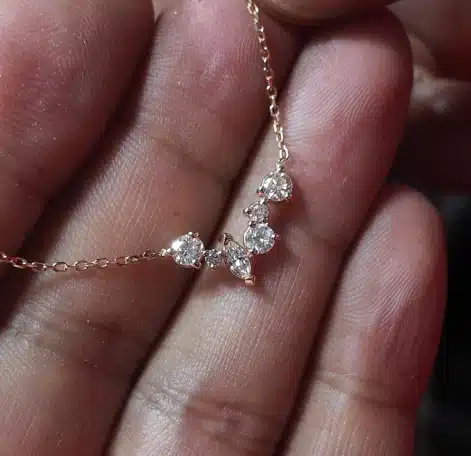
Evergreen jewelry collections are pieces that customers can wear for years. They do not depend on one short season or one viral style. Instead, they offer simple beauty, easy styling, and long-term value.
For example, a clean pendant on a fine chain can remain attractive for many years. A classic hoop or a small gemstone ring can also work across different seasons. These products feel familiar, but they still look refined when made well.
Evergreen jewelry collections help brands create a stable foundation. Since the pieces stay relevant, brands can reorder bestsellers, improve product pages, and build stronger search traffic over time. A signature chain design can also become part of the brand identity when customers recognize it again and again.
Trend-driven collections focus on current demand. These pieces create excitement and give customers something fresh to discover. A bold chain bracelet, colorful stone design, oversized earring, or playful charm can perform well when the trend is strong.
This strategy helps brands stay visible on social media. It also gives marketing teams new content for launches, campaigns, and seasonal drops. However, trends can move quickly. A design that feels popular today may slow down after a few months.
For this reason, trend-driven pieces need careful planning. Brands should test samples, start with smaller quantities, and watch sales closely. A trend chain may bring fast attention, but it can also become old quickly. Therefore, brands should use trends with control, not pressure.


Evergreen jewelry collections offer stability. Customers search for classic jewelry all year, not only during a specific season. This makes timeless pieces useful for daily wear, gifting, and repeat sales.
Another benefit is easier inventory planning. If a simple ring or chain necklace sells well, the brand can reorder it with less risk. The brand can also improve small details over time, such as size, finish, stone quality, or chain length.
Evergreen jewelry collections also support stronger brand recognition. When customers see the same design language across different pieces, they remember the brand more easily. A clean chain line can become a quiet signature. This helps the collection feel connected, professional, and easy to understand.
Trend-driven pieces bring energy. They help a brand look current and responsive. A new chain style, seasonal color, or bold shape can attract attention faster than a very classic piece.
These designs also support short campaigns. For example, a limited chain necklace can work well for a holiday launch or influencer collaboration. Trend pieces often create strong visuals, which can help social media performance.
However, brands should avoid building the whole business around trends. A trend can create quick sales, but it may not support long-term growth. This is where evergreen jewelry collections create balance. Timeless pieces protect the brand when seasonal demand slows down.
A smart strategy uses trend-driven items to add movement, while evergreen products keep the core collection strong.

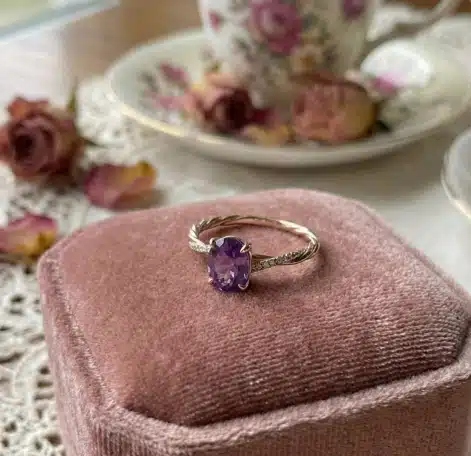
To choose the right strategy, start with your customer. Does your audience prefer daily pieces, classic gifts, and quiet luxury? If yes, evergreen jewelry collections may fit your brand better. If your customers enjoy bold looks and frequent drops, trend-driven pieces may help you create stronger excitement.
Next, think about production. Evergreen products can justify more development time because they may sell for years. A classic chain can support repeat orders and long-term marketing. Trend products need faster sampling and smaller first runs. A trend chain should be tested before large production.
You should also review pricing. Timeless designs often support steady margins, while trend pieces may need faster movement. The best choice should match your cash flow, stock plan, and launch calendar.
Most brands do not need to choose only one side. A balanced collection often works best. Evergreen jewelry collections can form the base, while trend-driven pieces can add freshness.
For example, a brand may keep simple studs, a fine chain, classic rings, and birthstone pendants as core products. Then it can add a bold chain bracelet, seasonal charm, or special color story for a campaign. This gives customers both trust and excitement.
The chain category can work in both strategies. A delicate chain can feel timeless, while a bold chain can feel trend-focused. The key is to make every piece support the brand story. A core chain can live in the line for years. A limited chain can create urgency without changing the whole identity.
A balanced product plan also reduces risk. If one trend fades, the core collection still works. If customers want something new, seasonal pieces keep the brand active.
