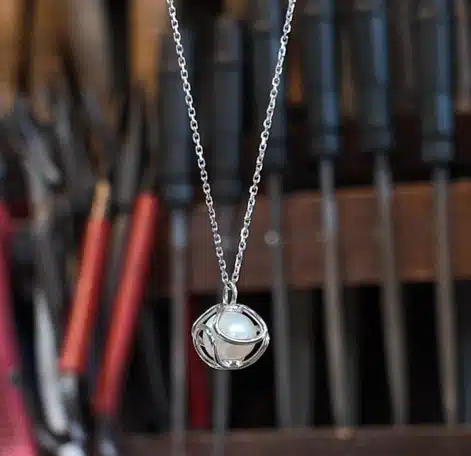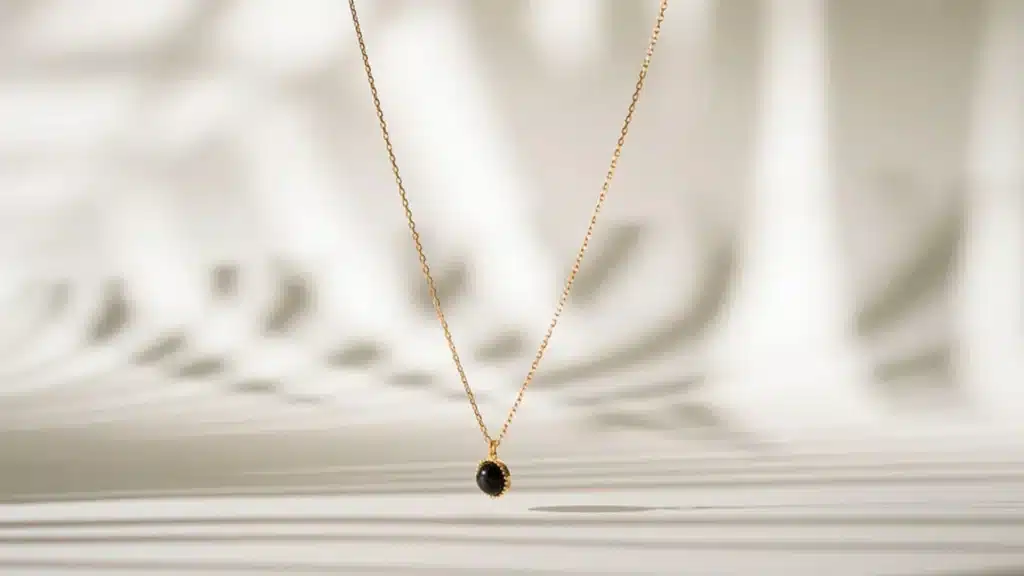
A pendant may be the main detail of a necklace, but the support style matters just as much. When brands choose the best chain for pendants, they need to think about balance, comfort, and strength. A small charm can look elegant on a fine chain, while a large pendant may need a stronger option.
If the support is too thin, the pendant may feel unsafe or look weak. If it is too thick, it can overpower the design. Therefore, the goal is simple: the pendant and chain should look like they belong together.
The right chain choice also protects the design. Good proportion also improves the customer experience. A necklace that sits well, feels comfortable, and looks balanced creates a stronger impression. As a result, brands can offer pieces that feel more refined and professional.

The first step is to review the pendant’s size and weight. This helps you choose the best chain for pendants with more confidence. A light charm usually works well with a delicate chain. However, a heavy pendant needs more support to stay secure during daily wear.
For example, a pendant under 12 mm may pair well with a slim chain around 1.0–1.2 mm. A medium pendant between 15–25 mm may need a 1.3–1.8 mm chain. Larger pieces often work better with a chain above 2.0 mm.
Still, these numbers are only a guide. You should also check pendant thickness, shape, and metal weight. A flat pendant can feel lighter than a solid sculptural piece of the same size.
The best chain for pendants should support the visual style of the piece. Minimal pendants often look best with simple options, such as cable, box, or fine curb styles. These choices keep the focus on the pendant without adding too much detail.
On the other hand, bold pendants can work well with stronger styles. A textured pendant may suit a rope chain. A modern men’s pendant may look better with a curb chain. A symbolic or vintage piece may pair well with a Figaro design.
However, the chain should not compete with the pendant. Instead, it should frame the design and complete the overall look.

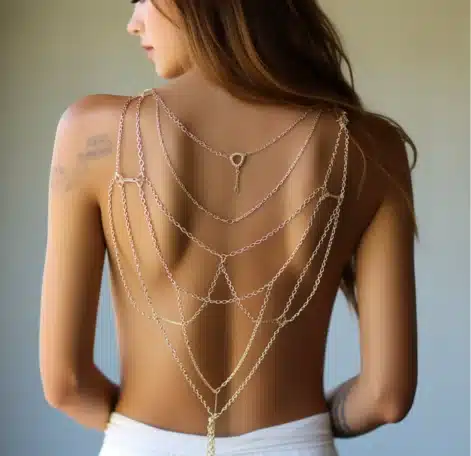
The bail is the loop that connects the pendant to the necklace. Even if you choose the best chain for pendants, the piece will not work if the bail opening is too small. The chain must pass through the bail easily.
The bail should also allow natural movement. If it is too tight, the pendant may sit stiffly. If it is too large, the pendant may move too much and feel unstable. Therefore, designers should plan the bail and chain together from the beginning.
This small chain detail becomes even more important in custom production. A beautiful pendant can create problems if the support does not fit properly.
A necklace should feel comfortable for daily wear. However, it also needs enough strength to support the pendant. The best chain for pendants balances both comfort and durability.
Very thin chains can feel elegant, but they may not suit heavier pendants. Thick chains offer strength, but they may feel heavy or too bold for some customers. For everyday necklaces, medium chain thickness often provides the best balance.
In addition, the clasp and jump rings should match the chain strength. A strong chain with a weak clasp can still create problems. For this reason, the full necklace system should be considered, not only the chain itself.
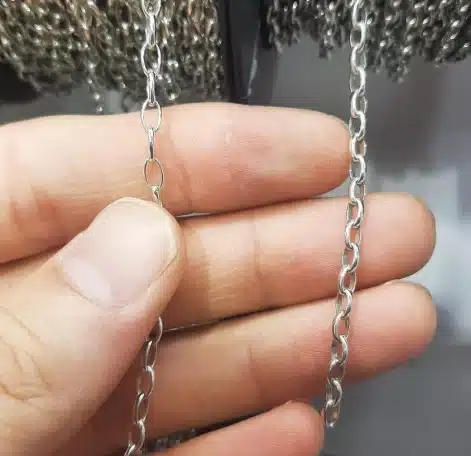

Every brand has its own design identity. Some brands focus on fine, minimal pieces. Others create bold, sculptural, or symbolic jewellery. The best chain for pendants should support this identity.
For a delicate jewellery brand, thinner chains may suit the overall style. For a men’s collection or statement line, thicker chains may feel more appropriate. In addition, customer lifestyle matters. A pendant designed for daily wear needs more practical support than a piece made only for special occasions.
Moreover, chain choice can affect perceived value. A well-matched chain makes the full piece feel more refined and professional. This improves the customer experience and strengthens the brand image.
Before launching a pendant necklace, brands should test the full piece. Choosing the best chain for pendants is easier when you check the necklace in real form.
A sample allows you to review balance, movement, weight, and comfort. You can see whether the pendant sits correctly on the chest. You can also check if the chain twists, pulls, or feels too light. If something feels off, you can adjust the chain thickness, chain style, or bail size before bulk production.
This testing stage helps prevent returns and improves customer satisfaction. It also ensures the final product looks as strong as the design concept.