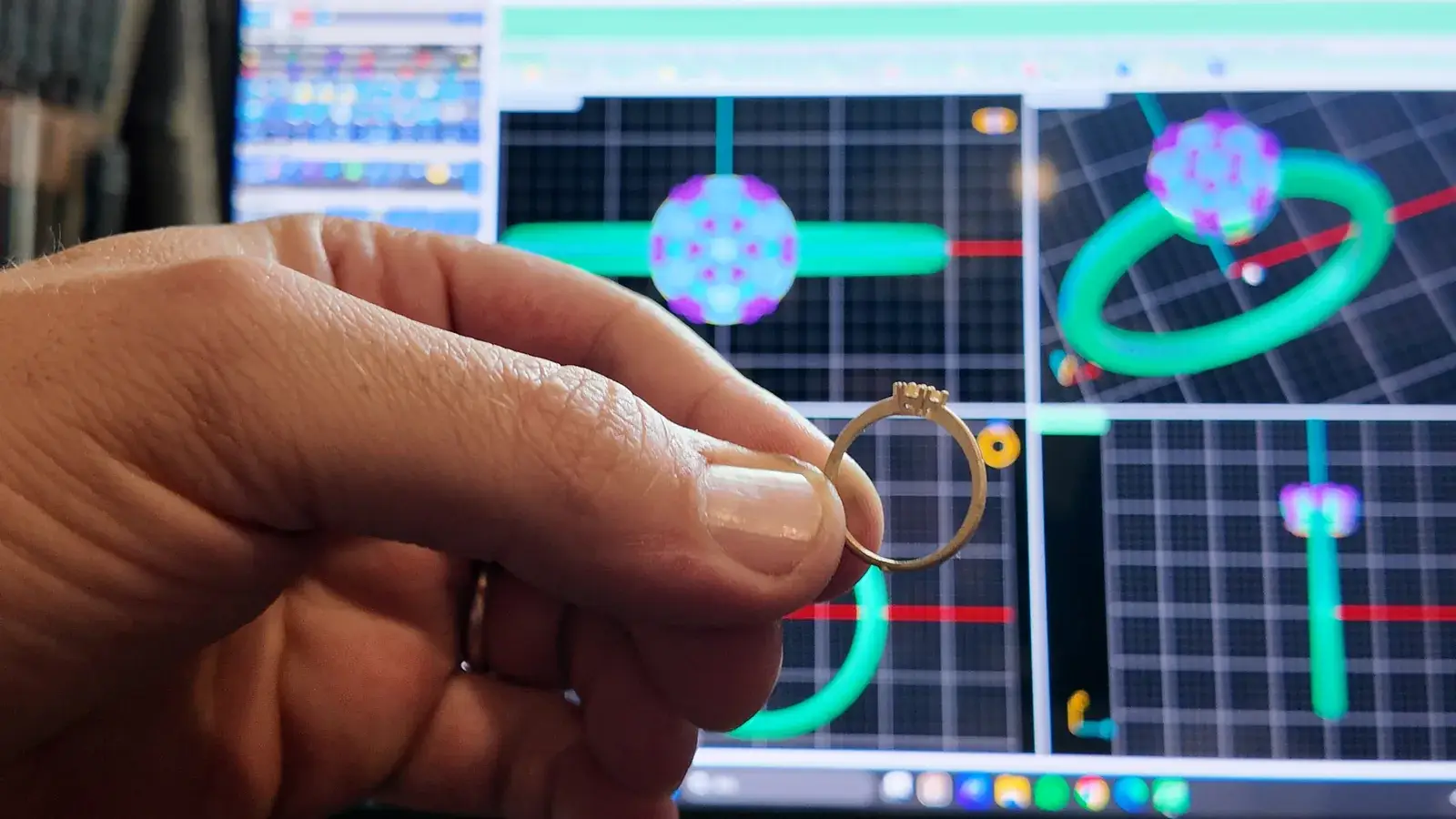
Lab Diamonds vs Natural Diamonds
Understanding Diamonds
The choice between lab diamonds and natural diamonds is becoming increasingly popular among jewelry buyers today. Each type of diamond offers unique benefits and considerations. This blog post delves into the essential aspects of both lab diamonds vs natural diamonds to help you make a more informed decision.
Lab Diamonds vs. Natural Diamonds: An In-depth Comparison
As technological advancements progress, lab-grown diamonds have become a substantial alternative to natural diamonds. By understanding the key differences and similarities between them, you can enhance your knowledge and satisfaction when making a purchase.
Lab Diamonds vs. Natural Diamonds: An In-depth Comparison
Natural Diamonds:
- Formation: Natural diamonds are formed over billions of years beneath the earth’s surface through natural geological processes. Consequently, they are often seen as more traditional.
Lab Diamonds:
- Creation: Conversely, lab diamonds are synthesized in controlled laboratory environments. These environments mimic the natural conditions that create diamonds, making the process much faster and more efficient.
Lab Diamonds vs. Natural Diamonds: An In-depth Comparison
The environmental impact of extracting diamonds from the earth is considerable, involving extensive mining operations. Lab diamonds offer a less environmentally taxing alternative, as they require no mining and generally use less resources, presenting a more sustainable choice.
Lab Diamonds vs. Natural Diamonds: An In-depth Comparison
Lab diamonds generally cost less than natural diamonds because the production processes are more controlled and efficient. This price difference makes lab diamonds more accessible, allowing buyers to opt for larger or higher quality gemstones at similar price points compared to natural diamonds.
Lab Diamonds vs. Natural Diamonds: An In-depth Comparison
Both lab diamonds and natural diamonds can reach exceptional levels of quality and beauty, capable of achieving high grades in clarity, color, and cut. They are virtually identical to the naked eye, requiring professional tools to distinguish between them, which highlights their comparable aesthetics.
Making an Informed Choice
Lab Diamonds vs. Natural Diamonds
Ultimately, the choice between a lab diamond and a natural diamond often hinges on personal values, budget considerations, and the intended use of the jewelry. If you prioritize environmental sustainability and cost-effectiveness, lab diamonds are an excellent choice. However, if you value tradition and long-term investment, natural diamonds might be more suitable.
By considering these points, you can make a well-informed decision, ensuring that whether you choose a lab diamond or a natural diamond, it will be a treasured addition to your jewelry collection.
Create Your Design
Related Posts

Modular Jewelry Design: Connections, Comfort, and Sample Testing
Plan a modular jewelry collection around compatible parts and clear wearing options. Use this checklist to review connections, comfort, handling, and sample testing.
Mixed-Metal Jewelry Collections: A Production Checklist for Brands
A practical production checklist for brands developing mixed-metal jewelry. Define the construction, approve color references, and record the sample details before bulk production.
Lightweight Gold Jewelry: What Brands Should Test Before Production
A practical guide for jewelry brands planning lighter gold pieces: protect high-stress areas, review the alloy, and approve the finished sample before production.
Personalized Jewelry Gifts: Why Custom Pieces Feel More Meaningful
A beautiful piece of jewelry can make a strong gift, but personalization gives it a deeper story. This is why custom jewelry gifts often feel more meaningful than standard pieces. They connect the design to a person, memory, date, place, or relationship.
How to Ensure Quality in Jewelry Manufacturing
High-quality jewelry does not happen by chance. It comes from clear specifications, careful production, and consistent inspection. This is why jewelry manufacturing quality standards should be defined before the first sample enters production.
