
Sustainable jewelry production has become an important focus for modern brands. Customers now look beyond beauty and price. They also want to know how a piece is made, where the materials come from, and whether the brand follows responsible practices.
For jewelry businesses, this shift creates both a challenge and an opportunity. A brand can no longer think only about design. It also needs to review the full supply chain, from metal sourcing to final delivery. When this chain is clear, the brand can build more trust with customers.
Sustainability does not mean every brand must become perfect at once. Instead, it means making better choices step by step. As a result, brands can reduce waste, improve quality, and create jewelry with more meaning.

Material choice sits at the center of sustainable jewelry production. Metals, stones, plating, and packaging all affect the final impact of a collection. Therefore, brands should start by reviewing their material chain carefully.
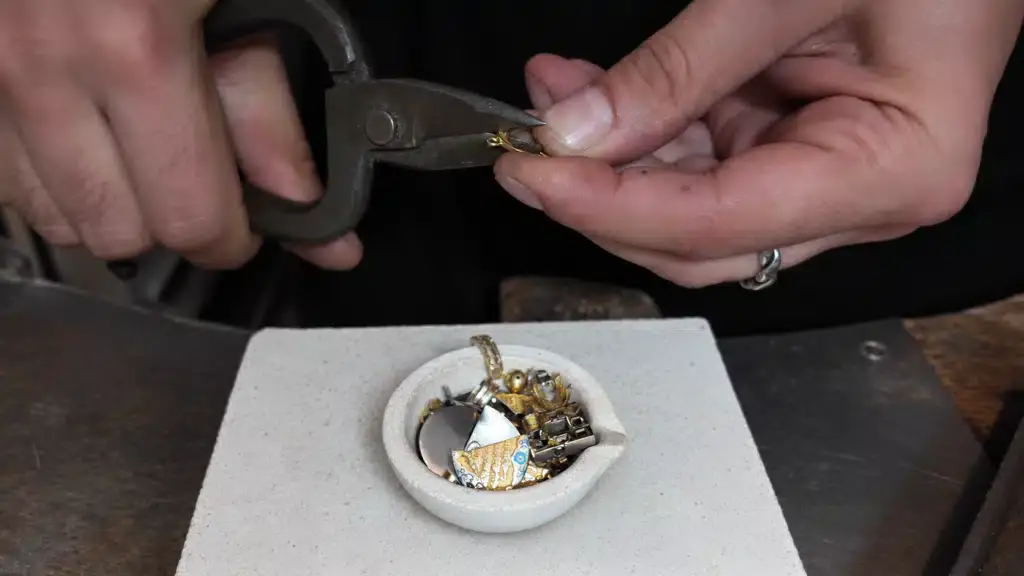
Recycled silver and recycled gold can help reduce the need for newly mined metals. Lab-grown stones can also offer a responsible option for some designs. In addition, nickel-free materials can improve comfort for customers with sensitive skin.
A responsible material chain also supports better storytelling. When brands explain why they choose certain metals or stones, customers understand the value behind the piece. This makes the product feel more thoughtful and transparent.
Sustainable jewelry production also depends on how brands develop products. Poor planning can create waste before production even begins. For example, unclear designs may lead to too many samples, extra revisions, and unused materials.
CAD design can help reduce these problems. It allows teams to review size, thickness, stone placement, and structure before making a physical sample. This creates a cleaner development chain and helps avoid unnecessary errors.
Sampling still matters, but brands should use it wisely. A strong sample chain helps test comfort, finish, and durability before bulk orders. In this way, brands can correct problems early and reduce waste later.


A brand’s sustainability depends heavily on its partners. Manufacturers, stone suppliers, plating teams, packaging providers, and logistics partners all shape the final result. Because of this, sustainable jewelry production requires a reliable supplier chain.
Brands should ask clear questions before starting. Where do the metals come from? Can the supplier support recycled materials? How does the workshop manage waste? Does the manufacturer follow clear quality checks?
A transparent supplier chain helps brands avoid confusion and make better decisions. It also supports long-term trust. When suppliers communicate clearly, brands can share more accurate information with their customers.
Sustainability is not only about sourcing. It is also about durability. Jewelry that lasts longer creates less waste over time. For this reason, sustainable jewelry production should always include strong design planning.
Brands should think about metal thickness, stone security, clasp strength, and finishing quality. A necklace should have a secure chain, and a bracelet should feel strong enough for daily wear. Every chain should match the pendant weight and style.
A durability chain connects design, material, and production quality. If one part is weak, the customer experience suffers. However, when the full chain works well, the piece feels better and lasts longer.


Packaging also plays an important role in sustainable jewelry production. Many brands focus on the jewelry itself but forget the boxes, pouches, cards, and shipping materials. These details can create unnecessary waste if they are not planned well.
Brands can choose recyclable, reusable, or minimal packaging. They can also reduce extra layers while still keeping the unboxing experience elegant. A thoughtful packaging chain helps protect the product without adding too much waste.
Shipping choices matter too. Clear planning can reduce urgent deliveries, split shipments, and avoidable transport impact. When the logistics chain works smoothly, brands can save time, reduce cost, and improve the customer experience.
Customers value honesty. They do not expect every brand to have a perfect sustainability story, but they do expect clear communication. This is why transparency is a major part of sustainable jewelry production.
Brands should explain their choices in simple language. They can share information about recycled metals, ethical sourcing, nickel-free production, lab-grown stones, repair options, and care instructions. A clear communication chain helps customers understand what the brand stands for.
At the same time, brands should avoid vague claims. Instead of using broad words without proof, they should focus on real actions. This trust chain grows stronger when the message matches the product.
