Perfecting Elegance:
The Art of Jewelry Prototyping
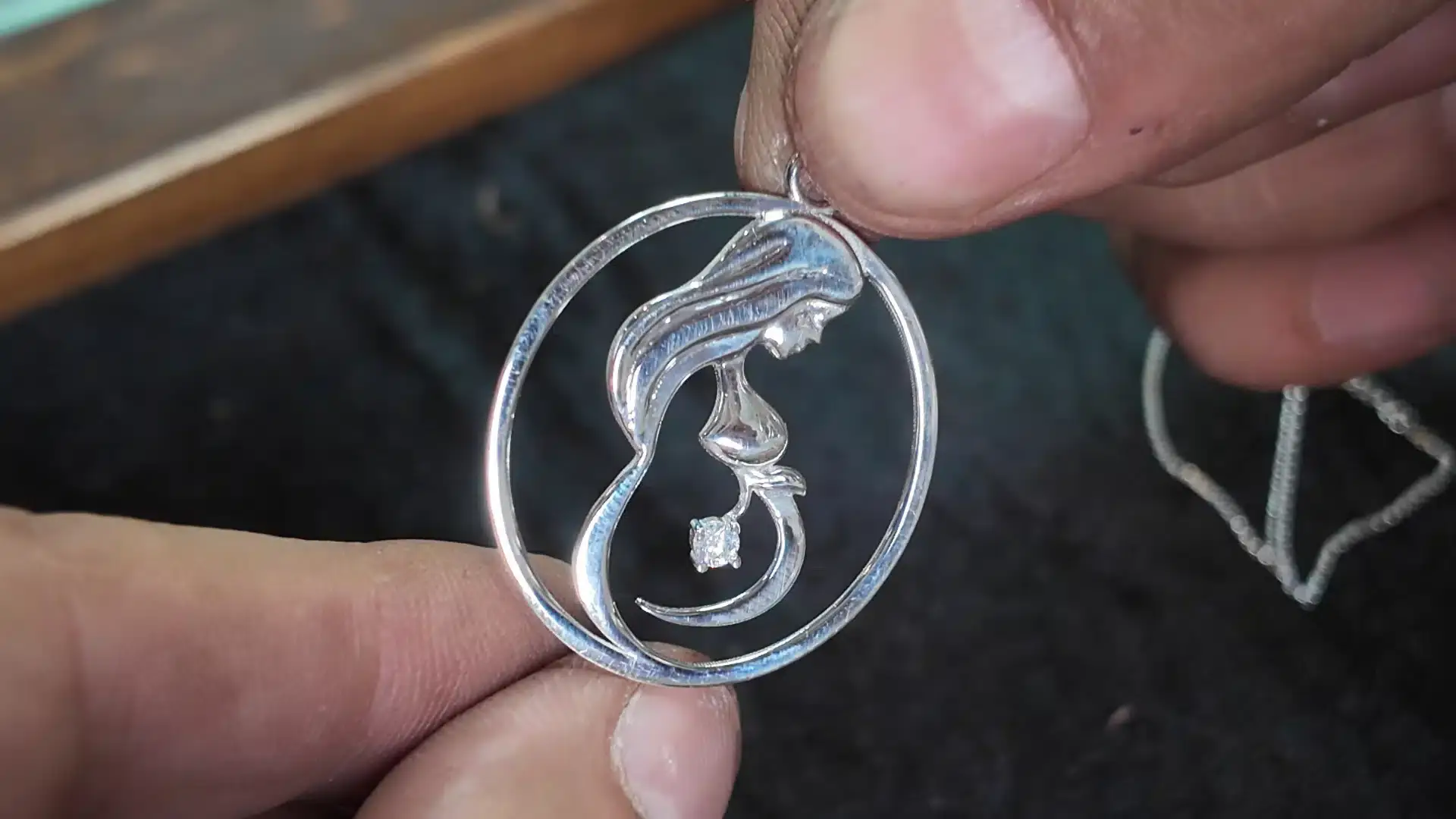
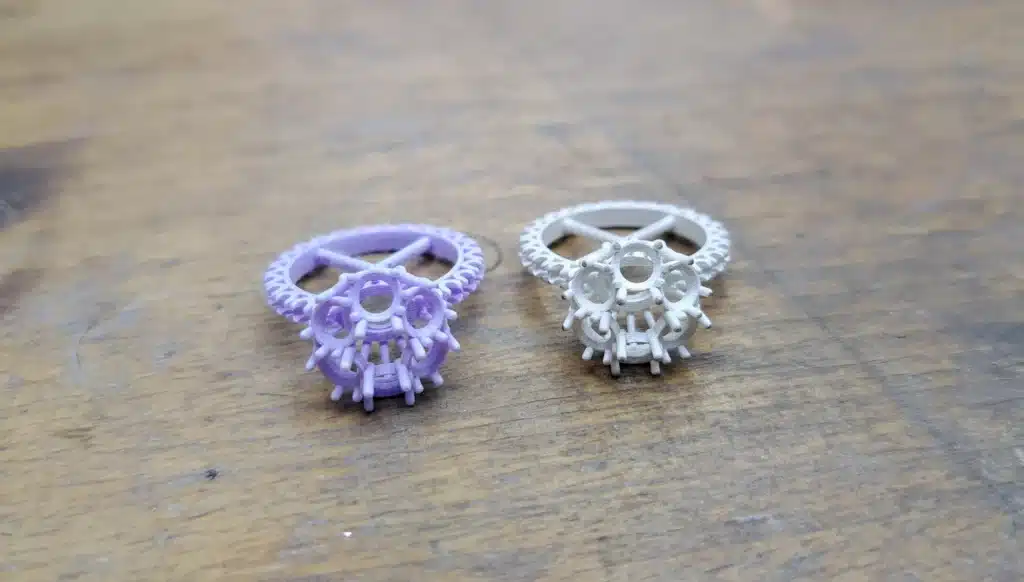
When it comes to creating unique jewelry, prototyping is key. This process lets designers see their ideas in physical form. Before final production, prototyping offers a crucial check. It ensures that each piece of jewelry will look and feel just right.
Jewelry Prototyping
Jewelry prototyping is not just helpful; it’s essential. Designers use it to experiment with shapes, sizes, and materials. By making a model first, designers can test the design’s appeal and functionality. This step can save time and materials in the long run. Plus, it helps avoid costly mistakes that might occur if the design went straight to production.
Jewelry Prototyping
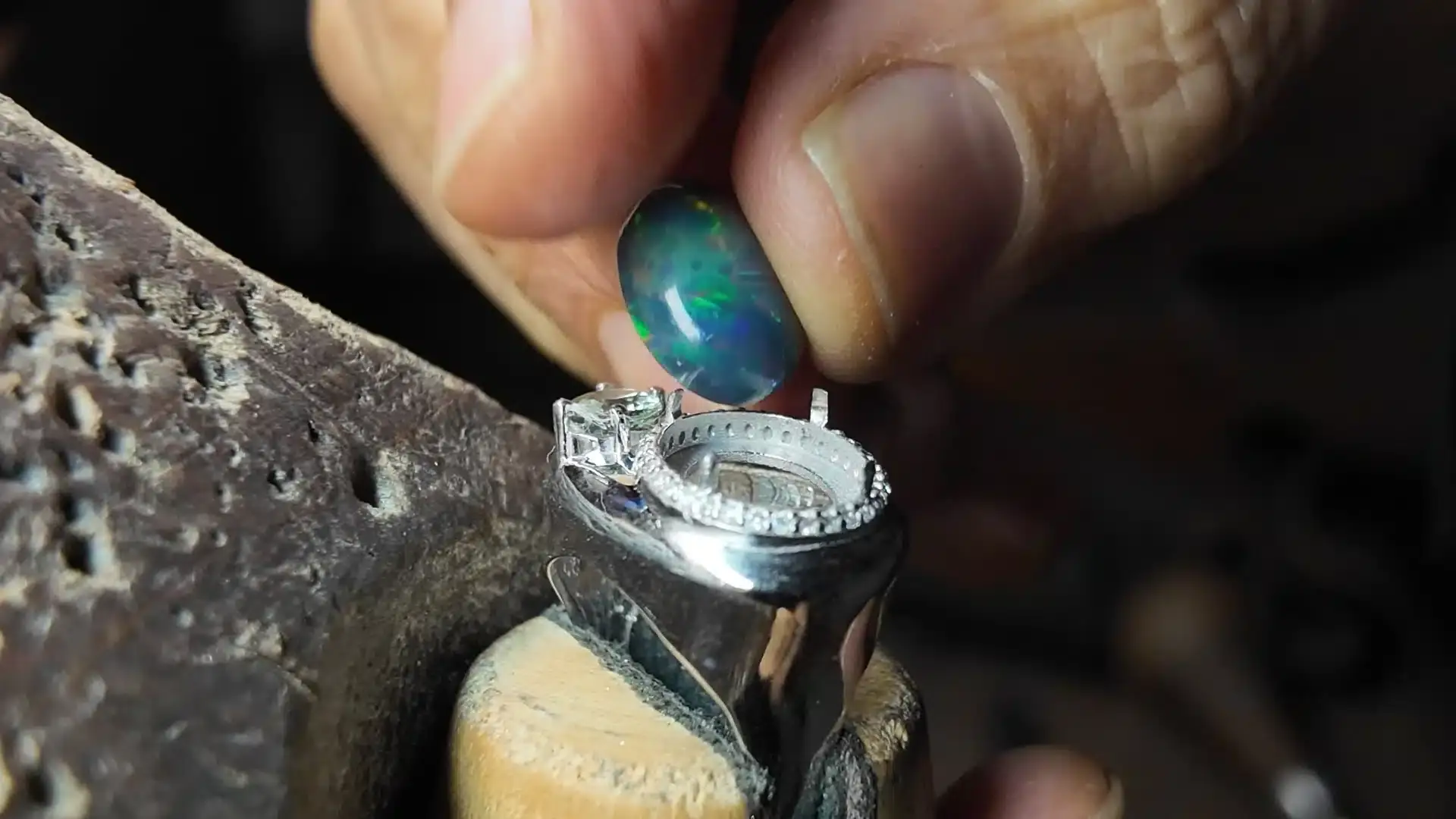
The process starts with a designer’s vision. This idea gets translated into a sketch or digital design. Next, a prototype, often made from less expensive materials, is created. This allows the designer and client to touch, feel, and see the piece. They can make sure it’s exactly what they want before finalizing the design.
Jewelry Prototyping
Advancements in technology have transformed jewellery prototyping. Tools like 3D printing are now commonly used. These technologies allow for precise and rapid production of prototypes. They provide a faster way to see and adjust the designs. With these tools, designers can easily make changes and try different versions of a piece.
Jewelry Prototyping
Prototyping also enhances the client’s experience. It allows clients to be part of the design process. They can see the prototype and give their feedback. This involvement ensures the final product will meet their expectations. It also increases their satisfaction and trust in the designer.
Jewelry Prototyping
Using prototypes is cost-effective. It’s cheaper to alter a prototype than to redo a finished piece. This efficiency saves the designer and client money. Adjustments are made before the expensive materials are used. This reduces the risk of wasting precious metals and gems.
Jewelry Prototyping
Prototyping encourages creativity. Designers can try bold new ideas without a huge risk. If a design doesn’t work as a prototype, it’s easy to go back to the drawing board. This freedom allows designers to push boundaries and innovate.
Final Thoughts
jewellery Prototyping
In conclusion, jewelry prototyping is a vital part of the custom jewelry manufacturing process. It brings designs to life and ensures they can be worn with pride. For designers and clients alike, it provides a practical, creative, and cost-effective pathway to perfecting custom jewelry pieces. This makes prototyping an invaluable step in creating beautiful, durable, and satisfactory jewelry items.
Create Your Design
Related Posts

What Jewelry Brands Must Prepare Before Working with a Manufacturer
Starting production without preparation often leads to delays and confusion. That is why What Jewelry Brands Must Prepare Before Working with a Manufacturer begins with one key idea: clarity saves time and cost.

Corporate Jewelry Gifts: A Timeless Way to Show Appreciation
In today’s business world, strong relationships matter more than ever. Companies look for ways to show appreciation to clients, partners, and employees. Corporate Jewelry Gifts: A Timeless Way to Show Appreciation highlights how thoughtful gifts create lasting impressions.

How to Turn a Simple Sketch into a Scalable Jewelry Collection
Every successful collection starts with a single idea. Often, that idea appears as a simple sketch. How to Turn a Simple Sketch into a Scalable Jewelry Collection begins with understanding the potential behind that first drawing.

Sustainable Jewelry Production: Trends and Insights for Businesses
The jewelry industry is changing. Today, brands focus more on responsibility and transparency. Sustainable Jewelry Production: Trends and Insights for Businesses highlights this shift toward better practices.

Behind the Process: How High-Quality Jewelry Is Manufactured
Every exceptional piece begins with a clear idea and a strong process. Behind the Process: How High-Quality Jewelry Is Manufactured reveals that quality does not happen by chance. Instead, it comes from careful planning and skilled execution.