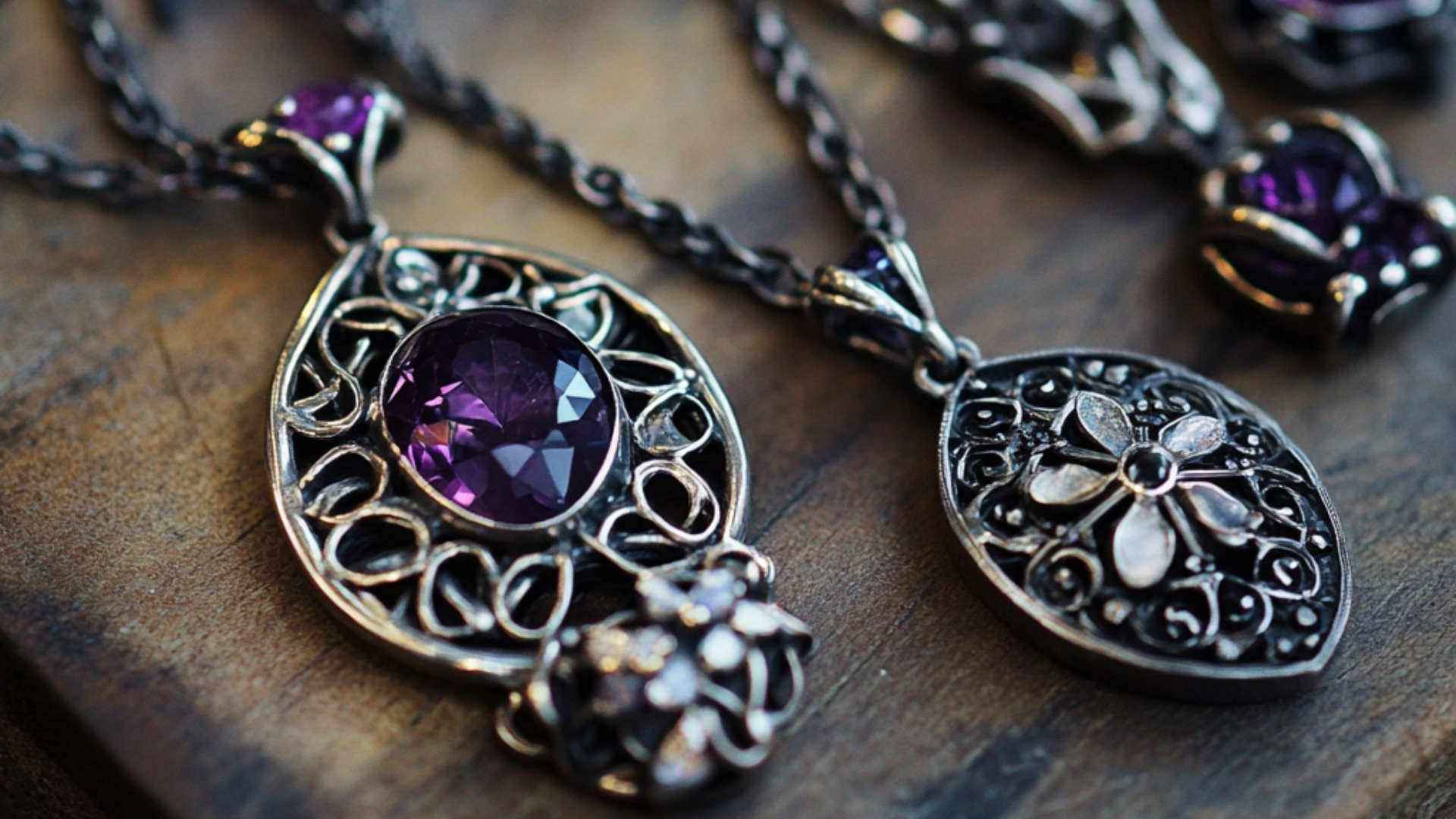
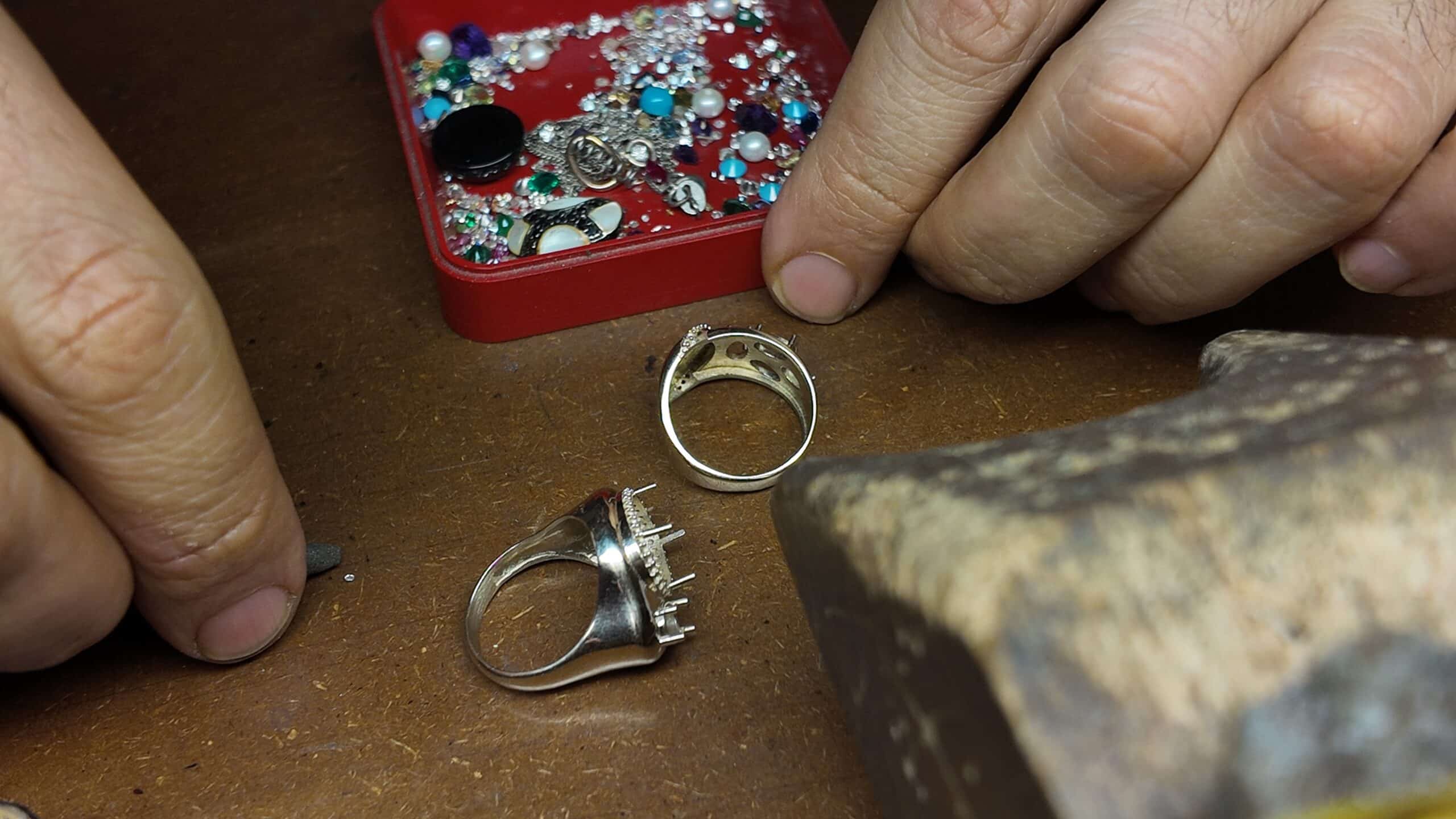
Jewelry sits against your skin for hours. If you know you react to nickel, start by checking what touches you: the alloy, the finish, and the small parts you rarely see in a product photo. Here are five practical reasons to choose nickel-free jewelry and five checks to make before buying or specifying a piece.
Everyday wear
1. Reduce everyday nickel exposure
Nickel is a common trigger for allergic contact dermatitis in people who are sensitive to it. Choosing pieces made without nickel can help reduce exposure to that trigger, especially if you wear the same ring, bracelet, or necklace every day. It does not mean a piece cannot cause irritation or a reaction for another reason. The American Academy of Dermatology explains nickel allergy and how to reduce exposure.
Skin-contact components
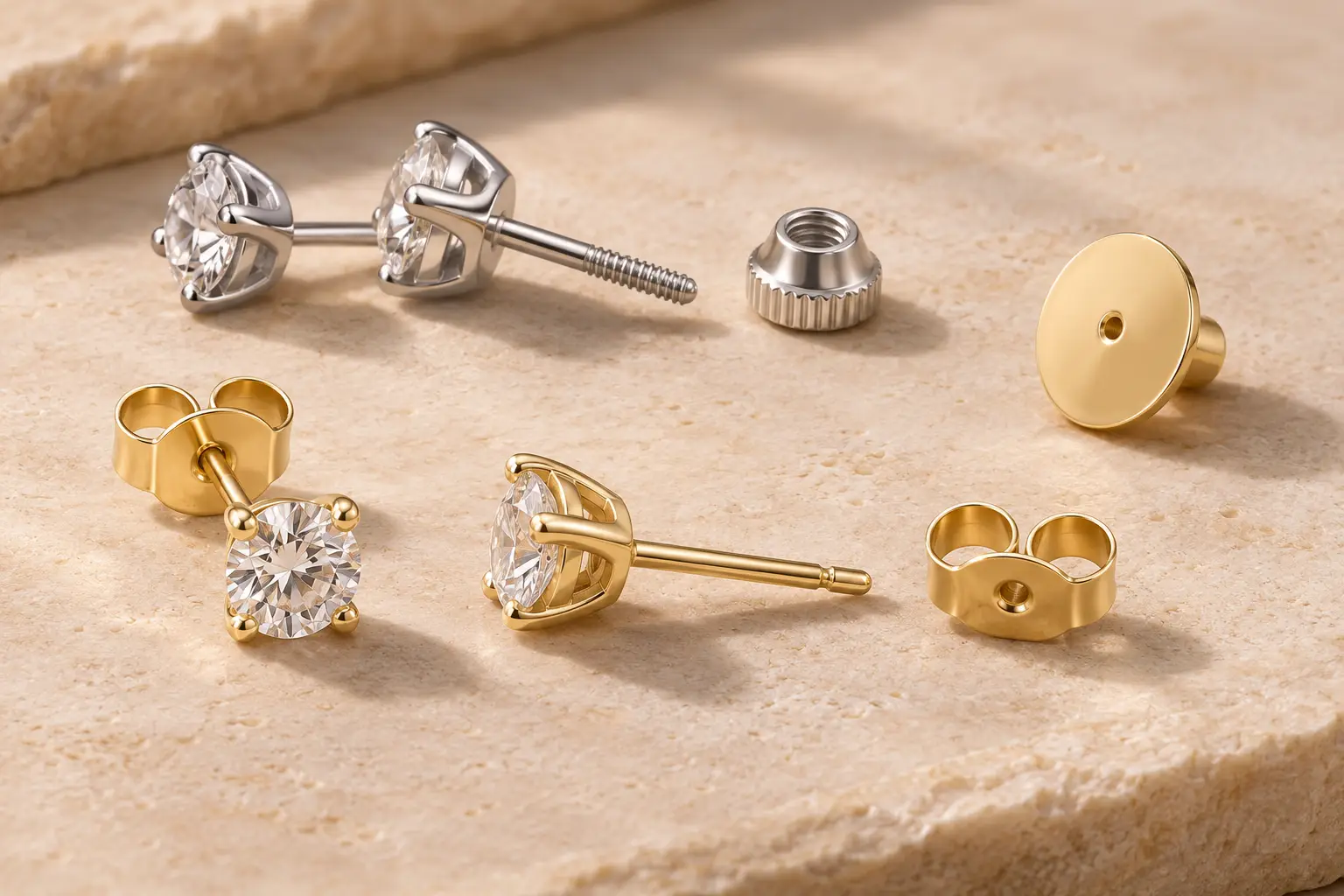
2. Check earring posts and other contact points
Inspect the parts in closest contact with skin first. For studs, ask about both the post and the back. For necklaces and bracelets, check the clasp and connecting rings too. The decorative face of a piece and its jewelry findings can be made from different alloys.
Alloy specifications
3. Compare the materials in each component
Ask for the metal specification for the whole piece, not just the main body. A hallmark such as 925 identifies silver fineness, but it does not tell you the composition of every fitting, solder joint, or plating layer. A clear component list lets buyers compare products and gives brands a specification they can carry from sample approval to reorders.
Plating and underlayers
4. Know what is beneath the finish
A gold or rhodium finish tells you what is on the surface, not what is underneath. Ask whether nickel is used as an underlayer and what the base alloy is. Plating wears differently depending on the piece and how it is worn, so check the full finish specification. For brands, see what to verify when specifying gold vermeil.
Supplier documentation
5. Verify claims before buying or ordering
Ask what supports the claim for the specific piece or batch. A supplier’s alloy declaration addresses composition; a nickel-release test addresses how much nickel the finished article releases. They answer different questions. The EU REACH restriction on nickel sets release limits for relevant items; meeting a release limit is not the same as proving a piece contains no nickel. Our jewelry manufacturing quality guide explains what to document during production.
What to check before you choose
A quick buying checklist
Start with the parts that touch skin. Check the alloy, posts and backs, clasps, and all plating layers, then ask for documentation that matches the finished piece. If you are developing a jewelry collection, talk to Bamina about your material and finish requirements before approving the sample.