Jewelry Manufacture
From Concept to Finished Piece
Jewellery Manufacture
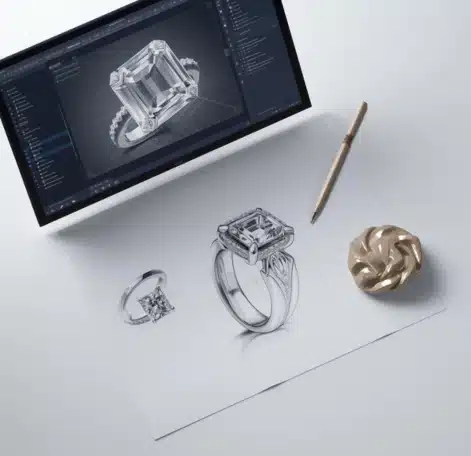
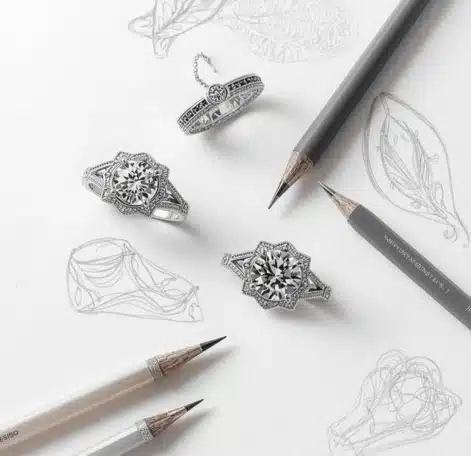
Jewelry Manufacture begins long before metal takes shape. Every piece starts with an idea. Designers sketch concepts, explore inspiration, and define the style they want to create. At this stage, creativity guides the process, but practical thinking also matters. A successful Jewelry Manufacture process requires designs that look beautiful and remain durable for everyday wear.
Today, many manufacturers use digital tools to support the design phase. CAD software helps designers visualize the piece from different angles. This step allows adjustments before production begins, saving time and materials.
Jewellery Manufacture
Once the design becomes clear, the next stage of Jewelry Manufacture focuses on creating a prototype. Jewelers often produce a wax model or a 3D printed sample to represent the final piece. This model helps the team evaluate proportions, stone placement, and overall structure.
Prototypes also allow designers and clients to review the piece before full production begins. During Jewelry Manufacture, this step plays an important role because it helps identify improvements early. As a result, the final jewelry piece achieves better quality and comfort.
Jewellery Manufacture
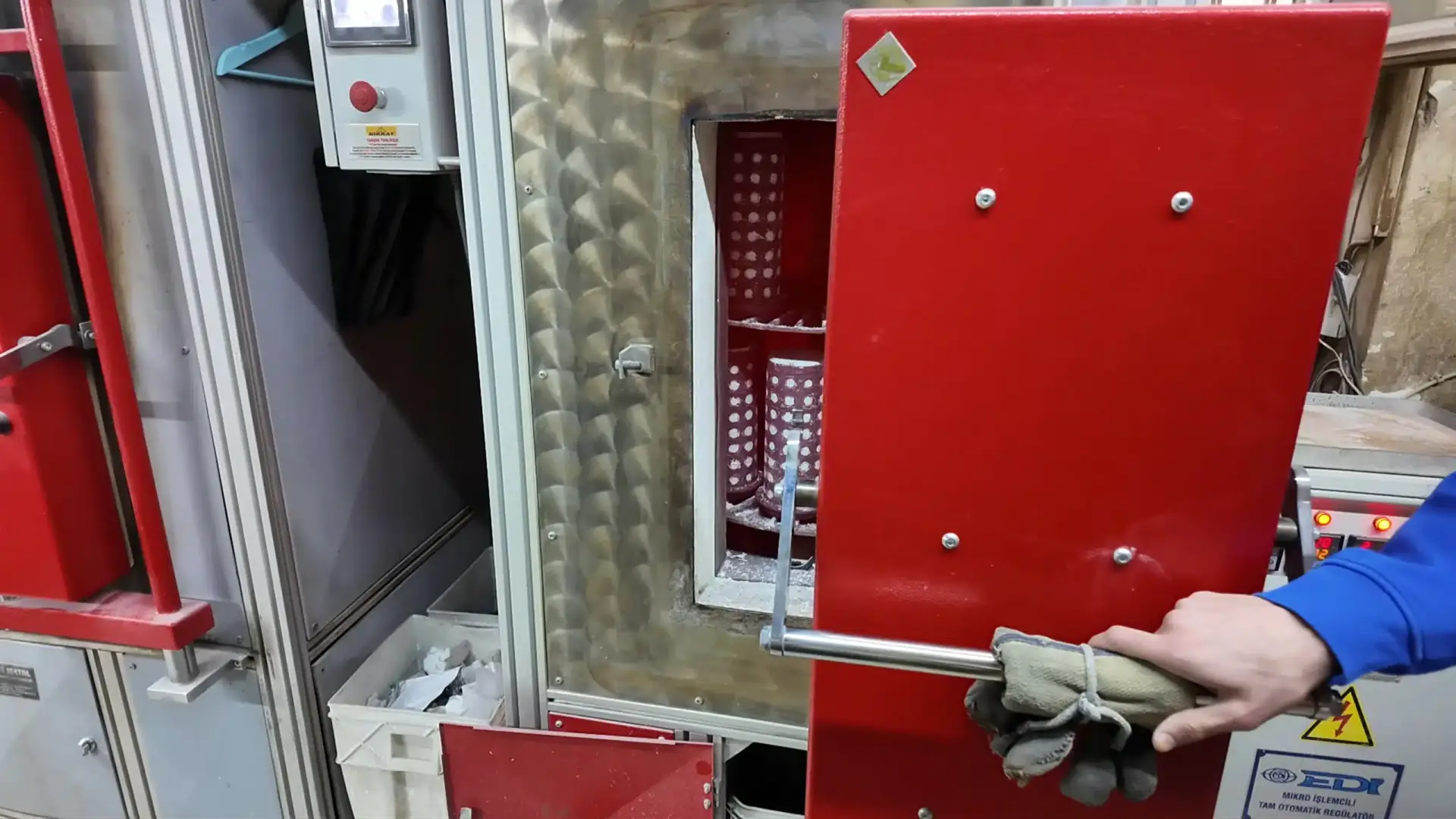
After approval, the design moves into metal production. Casting forms the core of Jewelry Manufacture. Jewelers melt precious metals such as silver or gold and pour the liquid metal into molds created from the wax model. Once the metal cools, the rough form of the jewelry appears.
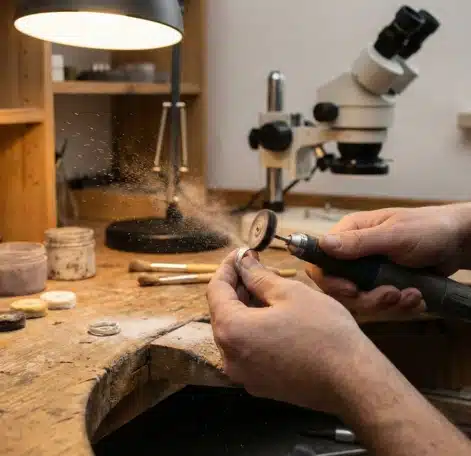
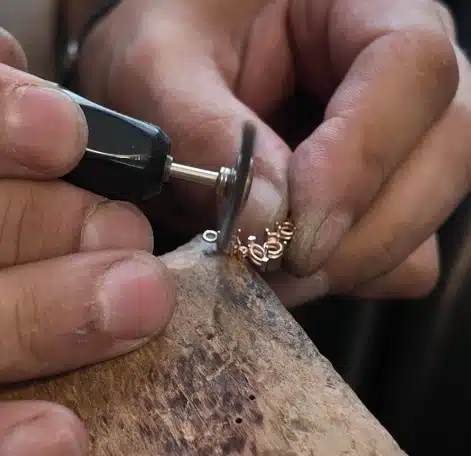
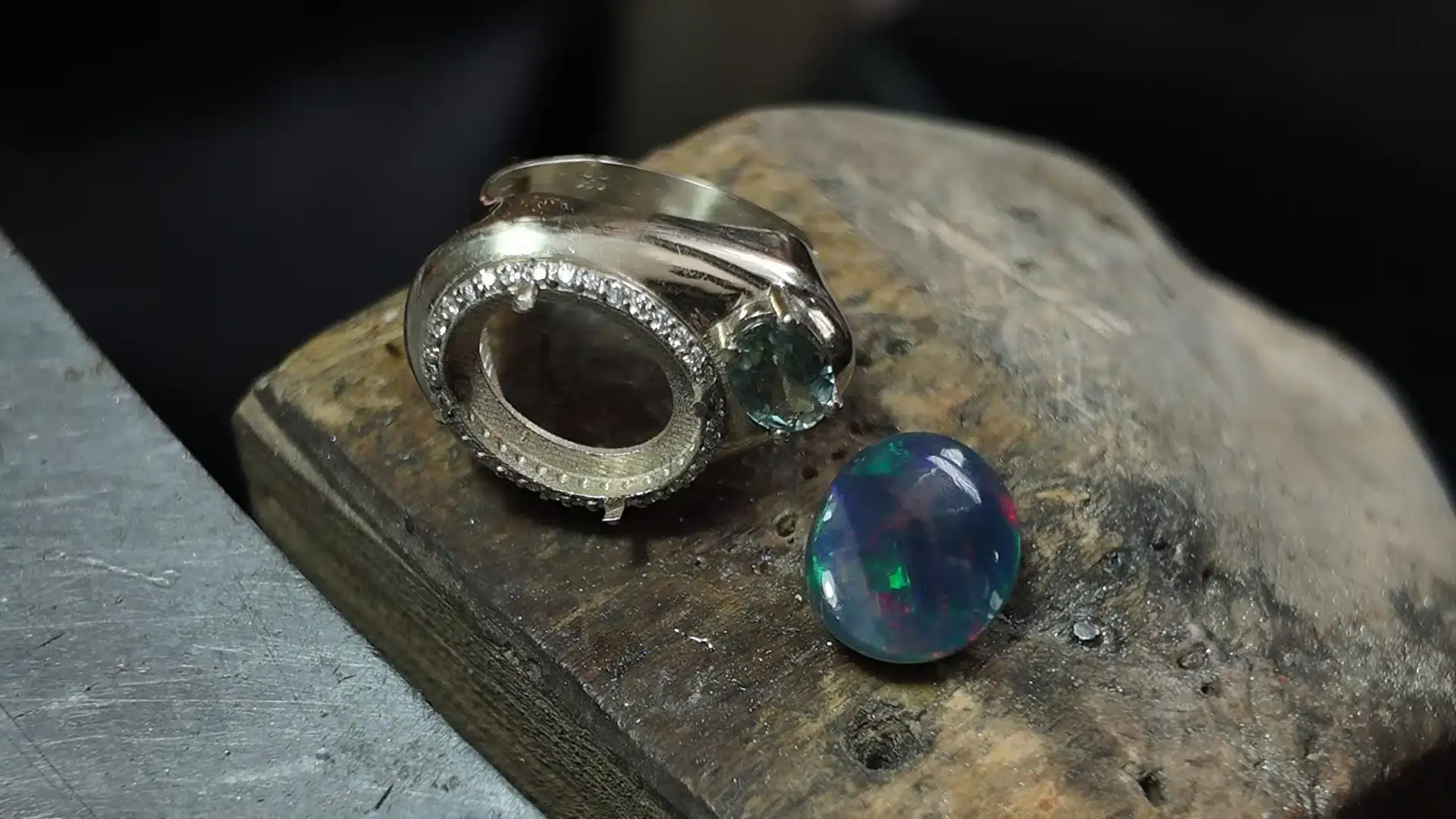
However, the work does not end there. Skilled artisans shape, polish, and refine every detail. During Jewelry Manufacture, craftsmen smooth edges, prepare stone settings, and ensure the piece meets quality standards. This stage transforms raw metal into a refined object.
Jewellery Manufacture
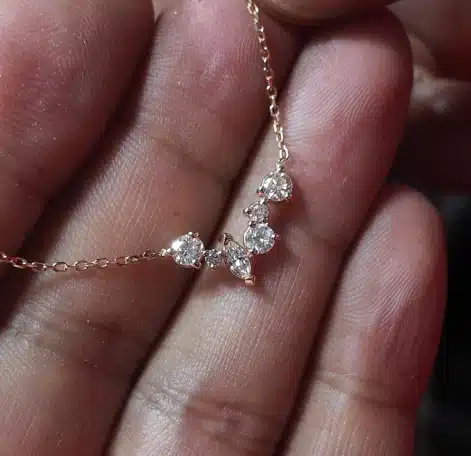
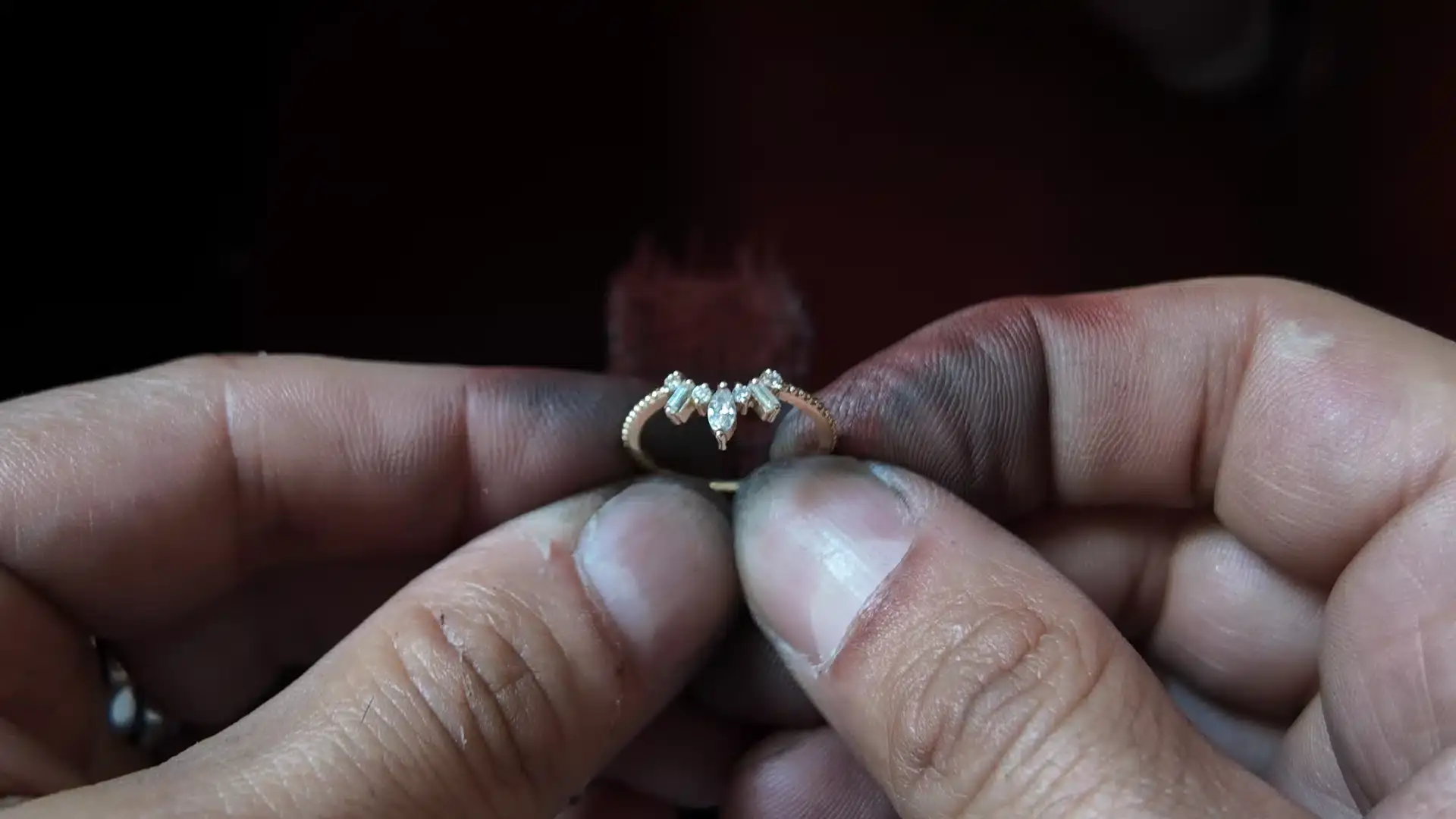
The final step of Jewelry Manufacture focuses on finishing and inspection. Jewelers polish the piece, set gemstones, and apply plating if necessary. Each step requires careful attention to detail because finishing defines the overall appearance of the jewelry.
Quality control follows immediately after finishing. Manufacturers inspect the piece for structural strength, stone security, and surface perfection.
From the first sketch to the final polish, Jewelry Manufacture combines creativity, technology, and craftsmanship. When these elements work together, they create jewelry that feels both beautiful and lasting.
Jewelry Manufacture
From Design to Finished Piece
The Beginning of Jewelry Manufacture
Every piece of jewelry starts with an idea. Designers create sketches or digital models to shape the concept before production begins. In Jewelry Manufacture, this early stage defines the structure, size, and overall style of the piece. Clear design planning helps manufacturers understand the final goal and choose the best techniques for production.
Creating the Model and Casting
After the design phase, jewelers move to model creation. Many workshops use CAD software and 3D printing to prepare a precise prototype. During Jewelry Manufacture, the model becomes a wax form that helps create the metal casting mold. Molten metal then fills the mold to produce the basic structure of the jewelry.
Stone Setting and Surface Finishing
Once casting is complete, craftsmen refine the piece. They smooth surfaces, adjust details, and prepare the jewelry for stone setting. In Jewelry Manufacture, skilled setters carefully place gemstones to ensure stability and balance. Afterward, polishing and finishing processes give the jewelry its final shine and texture.
Quality Control and Final Presentation
Before delivery, every piece goes through inspection. Quality control ensures correct weight, stone placement, and finishing standards. Jewelry Manufacture requires careful attention to detail at every stage. As a result, the final piece reflects both craftsmanship and precision.