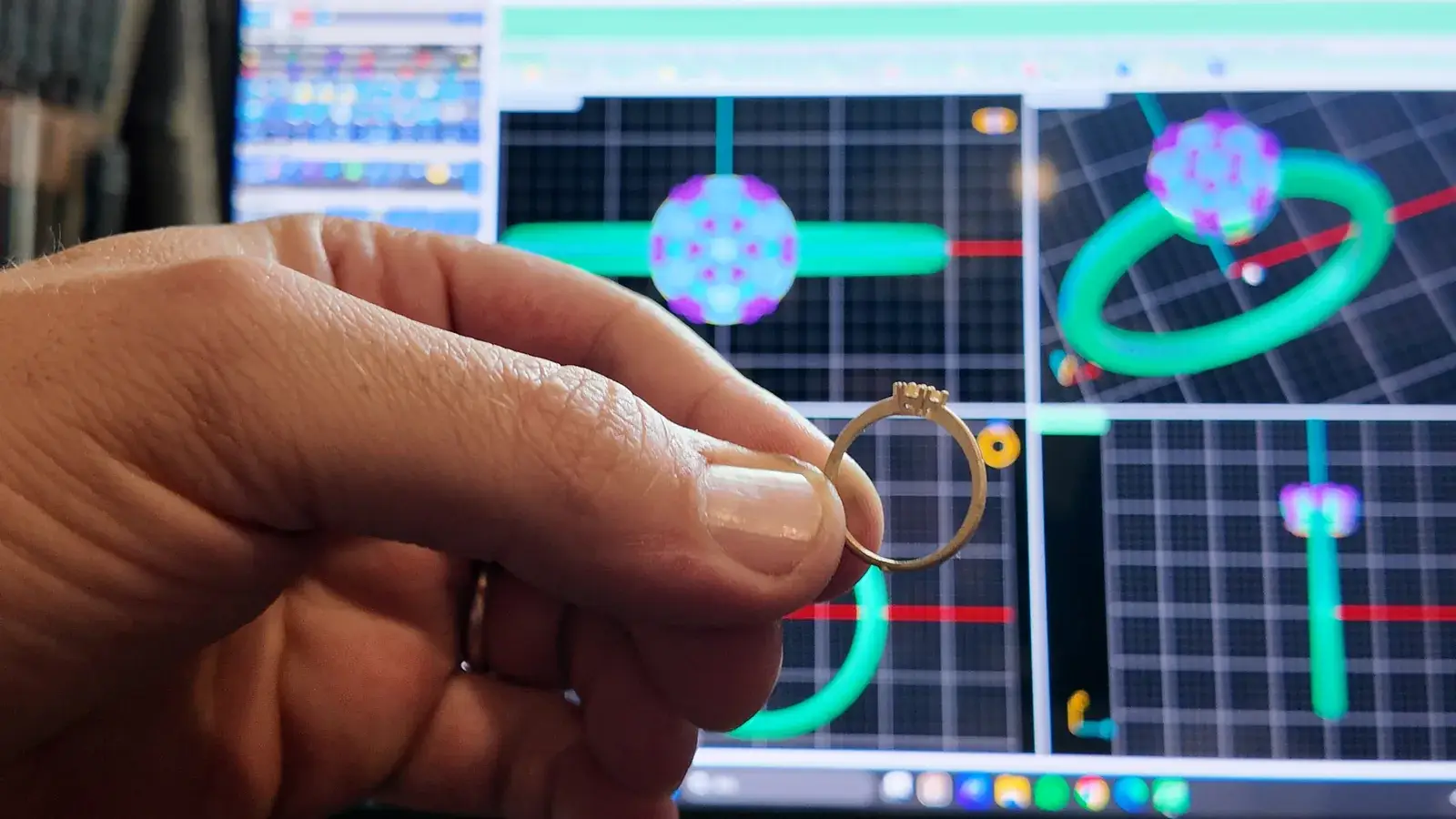
Jewelry Business
Unveiling Your Jewelry Venture
Starting a jewelry business combines creativity with entrepreneurship. Whether you’re a budding designer or an experienced craftsman, launching your own brand is a rewarding journey. Here are the crucial first steps to ensure your jewelry business sets off on the right foot.
What Are the First Steps to Starting Your Own Jewelry Business?
Understanding the market is the foundation of a successful business.
- Identify Your Niche: What kind of jewelry are you passionate about? High-end, everyday wear, or specialty items like bridal?
- Analyze Competitors: Look at what others are doing. What can you offer that’s different or better?
- Target Audience: Who will buy your jewelry? Understanding your potential customers’ preferences and buying habits is key.
What Are the First Steps to Starting Your Own Jewelry Business?
A detailed business plan guides your strategy and attracts investors.
- Outline Your Goals: What do you aim to achieve in the first year?
- Budgeting: Include startup costs, materials, marketing, and other expenses.
- Pricing Strategy: Price your pieces to cover costs and generate profit while remaining attractive to customers.
What Are the First Steps to Starting Your Own Jewelry Business?
Your brand identity will resonate through all aspects of your business.
- Name and Logo: Choose a name and design a logo that reflects the style and ethos of your brand.
- Brand Story: Create a compelling story that connects your creations with your customers on an emotional level.
What Are the First Steps to Starting Your Own Jewelry Business?
Ensure your business is legally compliant to avoid any future troubles.
- Register Your Business: Depending on your location, this might include registering as an LLC, sole proprietorship, or another structure.
- Obtain Licenses and Permits: Check local and state requirements for running a jewelry business.
- Trademark Protection: Consider protecting your brand name and logo with a trademark.
What Are the First Steps to Starting Your Own Jewelry Business?
The quality of your materials can set your jewelry apart.
- Suppliers: Build relationships with reliable suppliers for high-quality materials. Consider sustainability and ethical sourcing.
- Tools and Equipment: Invest in the necessary tools and equipment to create and finish your jewelry pieces professionally.
Setting the Stage for Success
What Are the First Steps to Starting Your Own Jewelry Business?
Starting a jewelry business requires a blend of artistic vision and strategic planning. By following these steps, you lay a solid foundation for a business that not only reflects your passion for jewelry but is also primed for growth and success. With creativity and perseverance, your jewelry brand can sparkle in the competitive market.
Create Your Design
Related Posts

Modular Jewelry Design: Connections, Comfort, and Sample Testing
Plan a modular jewelry collection around compatible parts and clear wearing options. Use this checklist to review connections, comfort, handling, and sample testing.
Mixed-Metal Jewelry Collections: A Production Checklist for Brands
A practical production checklist for brands developing mixed-metal jewelry. Define the construction, approve color references, and record the sample details before bulk production.
Lightweight Gold Jewelry: What Brands Should Test Before Production
A practical guide for jewelry brands planning lighter gold pieces: protect high-stress areas, review the alloy, and approve the finished sample before production.
Personalized Jewelry Gifts: Why Custom Pieces Feel More Meaningful
A beautiful piece of jewelry can make a strong gift, but personalization gives it a deeper story. This is why custom jewelry gifts often feel more meaningful than standard pieces. They connect the design to a person, memory, date, place, or relationship.
How to Ensure Quality in Jewelry Manufacturing
High-quality jewelry does not happen by chance. It comes from clear specifications, careful production, and consistent inspection. This is why jewelry manufacturing quality standards should be defined before the first sample enters production.
